

Zika virus, a mosquito-born illness, is not harmful in many cases; for most people, Zika virus causes either no symptoms or a mild sickness. However, this viral illness is extremely dangerous for developing fetuses. Zika virus can cause severe birth defects. So it’s important to put protective measures into place for pregnant women.
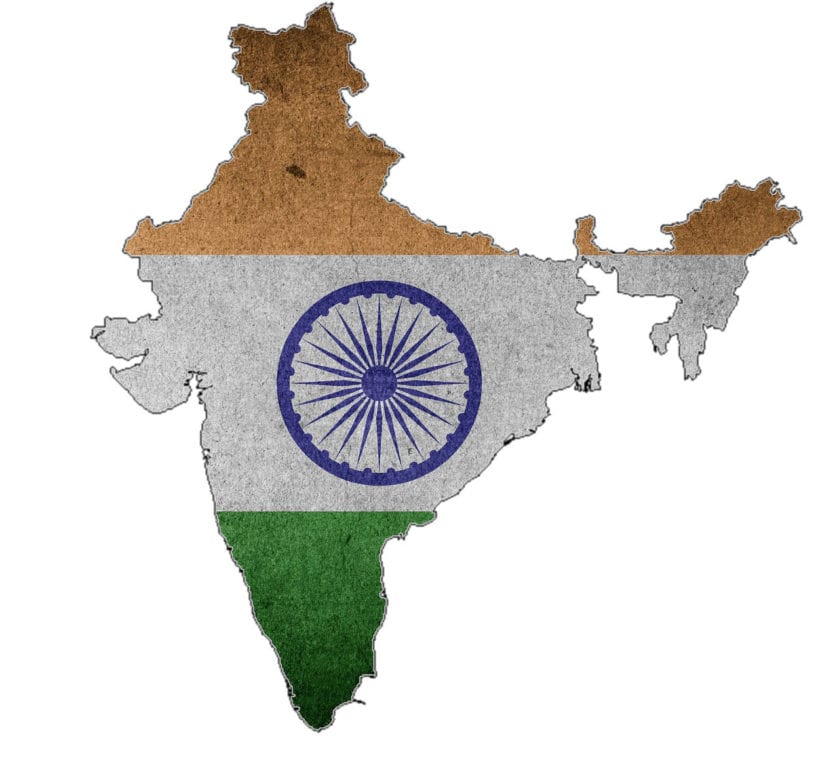
Unfortunately, Zika virus outbreaks continue to happen worldwide, including a recent outbreak in Pune, India. Anuradha Mascarenhas reports in Indian Express that 12 cases of Zika virus were identified in Pune. Of those cases, 50% are pregnant women.
Across India, an estimated 83 cases of Zika virus are spread across 50 private hospitals. The Indian Council of Medical Research – National Institute of Virology has asked hospitals to remain vigilant in testing and reporting. Beyond Zika virus, hospitals are also reporting dengue fever, malaria, and chikungunya infections.
About Zika Virus
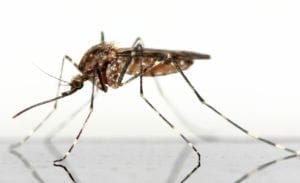
First identified in 1947, Zika virus is a viral illness that is most common in the Pacific Islands, tropical Africa, and Southeast Asia. Typically, Zika virus spreads through the bite of infected A. aegypti or A. albopictus mosquitos. It may also spread from mother to child or through sexual intercourse. Most people do not develop symptoms. If they do, individuals often experience the following for two to seven days:
- Muscle and joint pain
- Eye redness
- Fatigue and general malaise
- Fever
- Rash
- Headache
In pregnant women, Zika causes severe birth defects – such as microcephaly or neurological defects – in developing infants.
There are no Zika-specific treatments. Doctors recommend rest, recovery, and hydration.

-300x300.jpg)


