
FDA Issues Final Guidance for Psychedelic Drug Trials, Clarifying Expectations for Developers
- July 26, 2026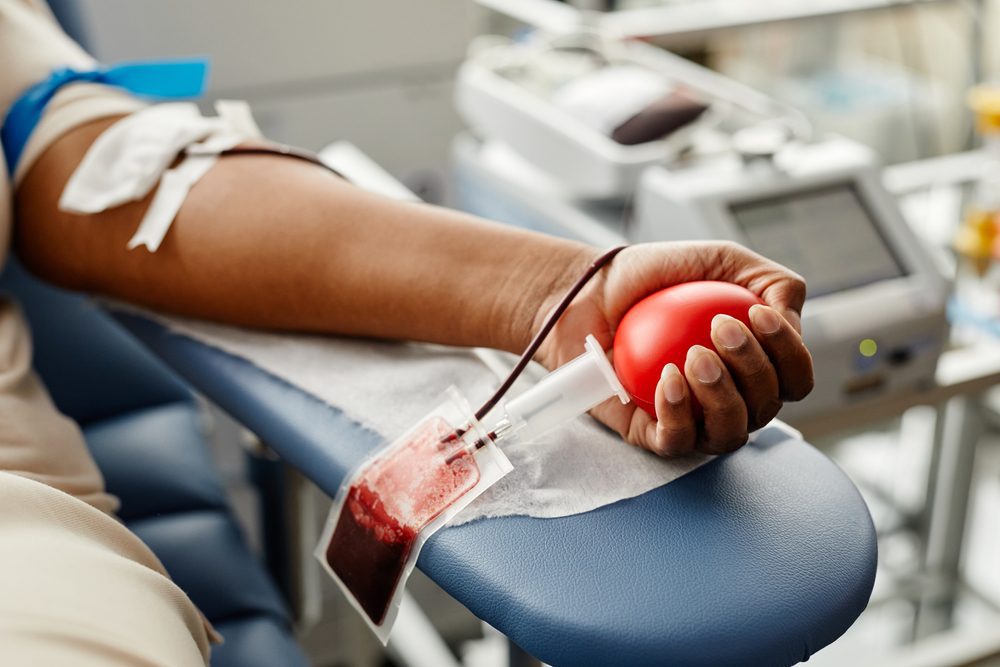
Alebund Initiates Global Phase IIb Trial of AP306 for Hyperphosphatemia in Hemodialysis Patients
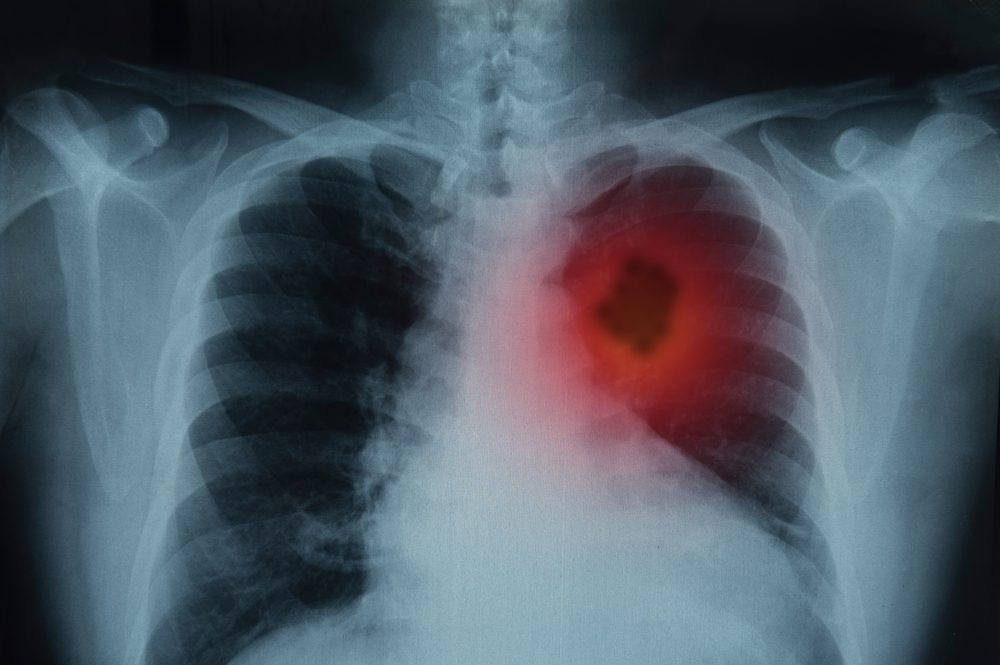
Free Gene Therapy from Regeneron
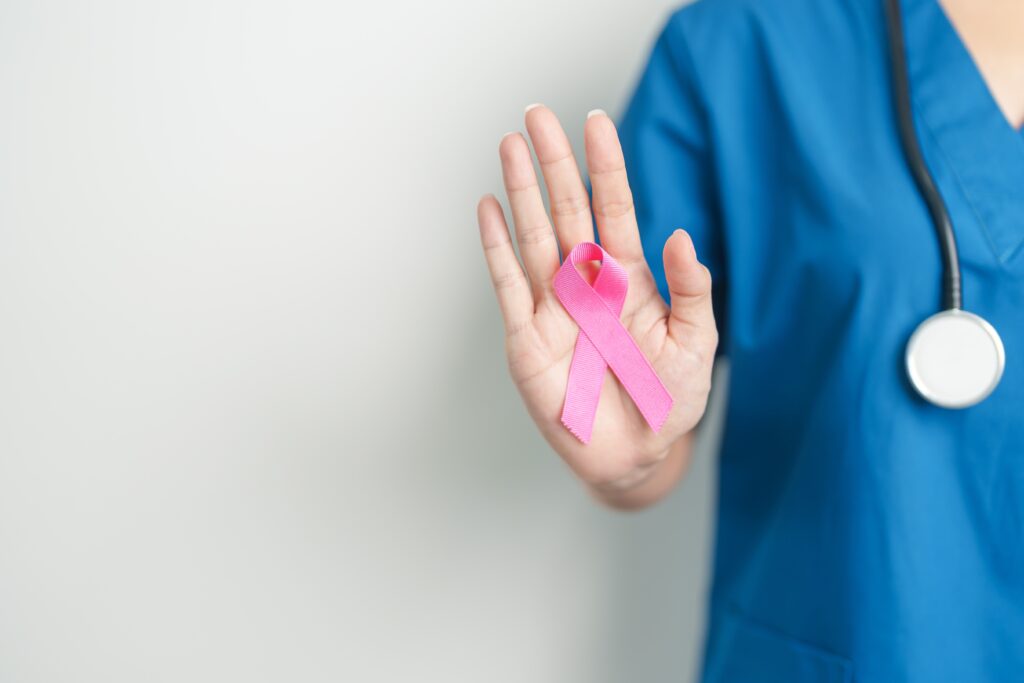
Delcath Begins Phase 2 Study of HEPZATO in Liver-Dominant Metastatic Breast Cancer




Everyone talks about appointments, treatments, and test results—but what part of the healthcare journey do you think gets overlooked?
Is it the emotional toll? The financial burden? The waiting? The impact on relationships, work, or mental health?
Share your thoughts in the comments. ⬇️

Some changes happen so gradually that you don't notice them until you stop and look back.
The path after a diagnosis is rarely the one anyone would choose, but it often brings unexpected lessons, perspectives, and growth along the way. Even on the hardest days, there may be moments that remind you just how far you've come.
#chronicillness #raredisease #invisibleillness #YouAreNotAlone #PatientWorthy
🌍#23luglio Giornata mondiale della malattia di #Castleman: al via la campagna internazionale di sensibilizzazione. Il Castleman Disease Collaborative Network (#CDCN):
💙invita i pazienti a condividere le loro storie
💙sostiene l’adesione al Registro di malattia
💙promuove la donazione di campioni biologici
💙chiede di indossare qualcosa di blu
🇮🇹 In Italia AMICa - Associazione Malati Italiani Castleman è al fianco di pazienti e famiglie dal 2021
Leggi la news
▶️https://tinyurl.com/mrx9dys9
#WorldCastlemanDiseaseDay #WorldCDDay
@follower