LISTEN TO OUR PODCAST

THE LATEST FROM PATIENT WORTHY

Duchenne Muscular Dystrophy

CureDuchenne’s 2026 Schedule

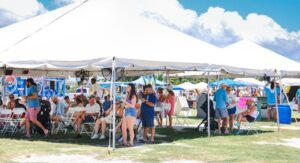
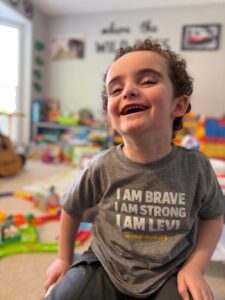
CureDuchenne is hosting several free events in 2026 to support families living with Duchenne and Becker muscular dystrophy. These events, called CureDuchenne CARES, will take

Read More »

FEATURED

UPCOMING EVENTS

SIGN UP FOR OUR NEWSLETTER

Comments Box SVG iconsUsed for the like, share, comment, and reaction icons

All week, we’re focusing on cutaneous squamous cell carcinoma (cSCC) at Patient Worthy — offering insights, resources, and a platform for patients and caregivers to share their experiences. Explore the latest at patientworthy.com
Have a story of your own? We’d love to hear it: bit.ly/4dV7gru
... See MoreSee Less

All week, we’re focusing on cutaneous squamous cell carcinoma (cSCC) at Patient Worthy — offering insights, resources, and a platform for patients and caregivers to share their experiences. Explore the latest at patientworthy.com
Have a story of your own? We’d love to hear it: https://bit.ly/4dV7gru

February is American Heart Month, a powerful reminder that taking care of your heart isn’t just about living longer, it’s about living better. ❤️‍🔥
🫀 Heart disease remains the leading cause of death in the U.S., but the good news? Up to 80% of heart disease is preventable with simple lifestyle changes.
Here are a few small steps that make a big difference:
✨ Add just 20–30 minutes of movement to your day
🥗 Choose heart‑healthy foods (yes, leafy greens really do help!)
💧 Stay hydrated
🧘‍♀️ Prioritize stress management
🩺 Keep up with regular checkups
This month, let’s honor our hearts and the hearts of those we love, by making choices that strengthen and protect them. ❤️
#AmericanHeartMonth #HeartHealth #PatientWorthy #Prevention #HealthyLiving
... See MoreSee Less

February is American Heart Month, a powerful reminder that taking care of your heart isn’t just about living longer, it’s about living better. ❤️‍🔥
🫀 Heart disease remains the leading cause of death in the U.S., but the good news? Up to 80% of heart disease is preventable with simple lifestyle changes.
Here are a few small steps that make a big difference:
✨ Add just 20–30 minutes of movement to your day
🥗 Choose heart‑healthy foods (yes, leafy greens really do help!)
💧 Stay hydrated
🧘‍♀️ Prioritize stress management
🩺 Keep up with regular checkups
This month, let’s honor our hearts and the hearts of those we love, by making choices that strengthen and protect them. ❤️
#AmericanHeartMonth #HeartHealth #PatientWorthy #Prevention #HealthyLiving

During Rare Disease Month, Patient Worthy is honored to share Nicole's journey!
"You may never face what I did, but if you ever find yourself fighting to have your symptoms taken seriously, this story is for you. When I was 21, I became critically ill with an extremely rare condition called Febrile Ulceronecrotic Mucha Habermann Disease (FUMHD). The name sounds obscure and almost harmless, and that is part of the danger. FUMHD is an aggressive immune mediated disease in which the body attacks itself with such intensity that it can lead to multi organ failure. The outward rash is only the surface of a much deeper systemic collapse.
At the time, I was young, healthy, and had absolutely no underlying conditions or warning signs. The lesions arrived abruptly in the thousands, starting on my stomach and spreading across my body within hours. They began pink and then quickly became inflamed and red. Alarmed, I went to a doctor immediately. Blood was drawn and I was sent home.
When the results returned, my doctor told me that nothing was normal and that my labs resembled those of an elderly patient with a severe illness. Despite this, I was never evaluated by a doctor in the ER, given only prednisone by a nurse, and dismissed. The dermatologist I was referred to performed a biopsy only because I insisted, and I eventually went through five dermatologists before finding one who took me seriously.
Meanwhile, I deteriorated rapidly. The rash continued to spread to my face, hands, under my fingernails, the soles of my feet, and between my fingers and toes. My face took on a yellow pallor, signaling systemic overload. Then the lesions changed shape, rising and turning elongated and red, then gray. This marked the ulceronecrotic phase, when tissue begins to die.
I lived in this state for more than two months, researching everything I could about the “lichenoid” biopsy findings and requesting tetracycline, which ultimately helped prevent secondary infection. As my condition worsened, a dermatologist in New York finally agreed to see me. There, I learned I needed to be admitted to a burn unit, isolated from infection, and treated by multiple specialists coordinating immunosuppressants, antibiotics, and advanced wound care.
Even when recognized early, FUMHD carries a documented mortality risk, and my case had been allowed to progress unchecked for far too long. By all reasonable expectations, I was not expected to survive the way I did. FUMHD is not only rare; it is statistically lethal.
So why tell this story, knowing most people will never face this particular illness? Because this kind of dismissal can happen to anyone, with any condition. Staying silent about what I endured, the fight for care, the refusals, and the constant insistence that “it is nothing,” helps no one. Someone out there is being told that what they are experiencing is harmless, that they are safe, or that they are overreacting.
I share this not because it was frightening, but because sometimes you have to do the work yourself. Sometimes you are your only advocate. That is what I became for myself, and it is the reason I am still here."
#RareDiseaseMonth #RareDisease #RareButNotAlone #WeCareAboutRare #ShareYourStripes #ShareYourStory #PatientWorthy
... See MoreSee Less

During Rare Disease Month, Patient Worthy is honored to share Nicoles journey!
You may never face what I did, but if you ever find yourself fighting to have your symptoms taken seriously, this story is for you. When I was 21, I became critically ill with an extremely rare condition called Febrile Ulceronecrotic Mucha Habermann Disease (FUMHD). The name sounds obscure and almost harmless, and that is part of the danger. FUMHD is an aggressive immune mediated disease in which the body attacks itself with such intensity that it can lead to multi organ failure. The outward rash is only the surface of a much deeper systemic collapse.
At the time, I was young, healthy, and had absolutely no underlying conditions or warning signs. The lesions arrived abruptly in the thousands, starting on my stomach and spreading across my body within hours. They began pink and then quickly became inflamed and red. Alarmed, I went to a doctor immediately. Blood was drawn and I was sent home.
When the results returned, my doctor told me that nothing was normal and that my labs resembled those of an elderly patient with a severe illness. Despite this, I was never evaluated by a doctor in the ER, given only prednisone by a nurse, and dismissed. The dermatologist I was referred to performed a biopsy only because I insisted, and I eventually went through five dermatologists before finding one who took me seriously.
Meanwhile, I deteriorated rapidly. The rash continued to spread to my face, hands, under my fingernails, the soles of my feet, and between my fingers and toes. My face took on a yellow pallor, signaling systemic overload. Then the lesions changed shape, rising and turning elongated and red, then gray. This marked the ulceronecrotic phase, when tissue begins to die.
I lived in this state for more than two months, researching everything I could about the “lichenoid” biopsy findings and requesting tetracycline, which ultimately helped prevent secondary infection. As my condition worsened, a dermatologist in New York finally agreed to see me. There, I learned I needed to be admitted to a burn unit, isolated from infection, and treated by multiple specialists coordinating immunosuppressants, antibiotics, and advanced wound care.
Even when recognized early, FUMHD carries a documented mortality risk, and my case had been allowed to progress unchecked for far too long. By all reasonable expectations, I was not expected to survive the way I did. FUMHD is not only rare; it is statistically lethal.
So why tell this story, knowing most people will never face this particular illness? Because this kind of dismissal can happen to anyone, with any condition. Staying silent about what I endured, the fight for care, the refusals, and the constant insistence that “it is nothing,” helps no one. Someone out there is being told that what they are experiencing is harmless, that they are safe, or that they are overreacting.
I share this not because it was frightening, but because sometimes you have to do the work yourself. Sometimes you are your only advocate. That is what I became for myself, and it is the reason I am still here.
#RareDiseaseMonth #RareDisease #RareButNotAlone #WeCareAboutRare #ShareYourStripes #ShareYourStory #PatientWorthy
Load more