
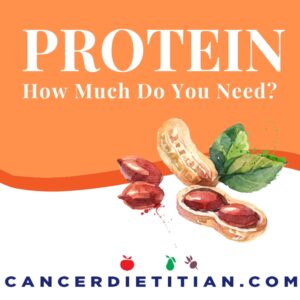
Myth Buster: You Don’t Need a High Protein Diet
Editor’s Note: Patient Worthy is honored to share this article from our friend Julie Lanford, MPH, RD, CSO, LDN – a.k.a. The Cancer Dietitian. To

The Weight of Thank You
Editor’s Note: Patient Worthy is honored to share the following story from our friends at Elephants & Tea, originally written by Michelle Lawrence, a patient

Muscle Loss May Be More Closely Linked to Dementia Risk Than Body Weight, Review Finds
As reported on SciTechDaily, a large research review suggests age-related losses in muscle mass, strength, and physical function may have a stronger association with dementia

Phase 3 IMAgINATION Trial of Sefaxersen Meets Primary Endpoint in IgA Nephropathy
Investigational once-monthly therapy significantly reduced proteinuria versus placebo at 37 weeks, according to interim findings from the phase 3 study. As reported on PharmaBiz, Roche

Perpetually Healing
Editor’s Note: Patient Worthy is proud to share the following story from our friends at Elephants & Tea, originally written by Dillon Groover, a brain

One Mom’s Fight to Change the Language Around Microvillus Inclusion Disease (MVID)
Editor’s Note: Patient Worthy is honored to share this article from our friends at Rareative. To see the article in its original format, please click


