
The U.S. Food and Drug Administration (FDA) has broadened the approval of Empaveli (pegcetacoplan), a complement inhibitor, to include the treatment of two rare and serious kidney diseases: C3 glomerulopathy (C3G) and immune complex membranoproliferative glomerulonephritis (IC-MPGN). Reported by Medical Xpress, this decision marks a significant advancement for patients and clinicians grappling with these challenging conditions, which previously had limited treatment options.
Understanding C3G and IC-MPGN
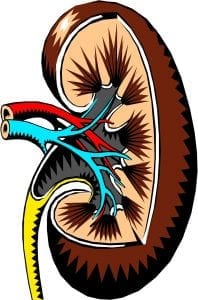
C3 glomerulopathy (C3G) and immune complex membranoproliferative glomerulonephritis (IC-MPGN) are rare diseases that lead to progressive kidney damage. Both conditions result from abnormal activation of the complement system—a part of the immune system responsible for defending against infections. However, in these diseases, uncontrolled complement activity causes inflammation and scarring in the kidneys, often leading to kidney failure over time. Patients typically experience symptoms such as blood and protein in the urine, high blood pressure, and declining kidney function.
Empaveli’s Mechanism and Impact
Empaveli works by inhibiting a key protein in the complement pathway called C3. By blocking C3 activation, the drug helps prevent the destructive immune response that damages the kidneys in C3G and IC-MPGN. Empaveli was previously approved for use in another rare blood disorder, paroxysmal nocturnal hemoglobinuria (PNH), and has now demonstrated benefit in clinical trials for these kidney diseases.
Studies supporting the FDA’s expanded approval showed that Empaveli can reduce proteinuria (protein in the urine), stabilize kidney function, and slow disease progression. These effects are particularly meaningful for patients at risk of progressing to end-stage kidney disease, which would otherwise require dialysis or transplantation.
A New Era for Patients
The FDA’s decision brings renewed hope to patients with C3G and IC-MPGN, who have historically faced uncertain prognoses and a lack of targeted therapies. Empaveli offers the first approved treatment directly addressing the underlying disease mechanism, rather than merely managing symptoms. Clinicians now have a new tool to help preserve kidney function and improve quality of life for those affected.
Broader Implications
Empaveli’s expanded approval also underscores the growing importance of precision medicine and targeted therapies in nephrology. As researchers deepen their understanding of rare kidney diseases and the role of the complement system, more innovative treatments may become available for other difficult-to-treat conditions.