
A once-rare condition that causes severe allergic reactions to red meat, known as alpha-gal syndrome (AGS), is experiencing a dramatic rise across the United States, according to new research from Virginia Commonwealth University (VCU) and reported by MSN.com. The study reveals a 100-fold increase in diagnosed cases between 2013 and 2024, with the incidence rate jumping from 23.46% to 94.06% in just the last two years.
A Tick-Borne Threat
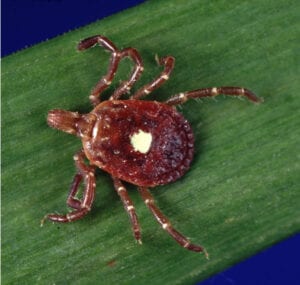
AGS is linked to bites from the lone star tick, an aggressive species identified by a telltale white spot on its back. While this tick was once mostly found in the southeastern states, its territory has expanded both northward and southward in recent years, increasing the risk nationwide.
When an infected lone star tick bites a person, it can trigger the immune system to develop antibodies against galactose-alpha-1,3-galactose (alpha-gal), a sugar molecule present in the meat of mammals such as beef, pork, or lamb. As a result, consuming red meat can provoke an allergic reaction ranging from hives, swelling, and nausea to potentially life-threatening anaphylactic shock.
A Challenging Diagnosis
One of the unique challenges of AGS is that symptoms often appear several hours after eating red meat, making it difficult to connect the reaction to the meal. Many patients initially believe they have digestive disorders like irritable bowel syndrome or food poisoning, and may go undiagnosed for years. According to Dr. Vinay Jahagirdar, co-author of the VCU study, AGS has quickly shifted “from a medical curiosity to a major public health issue.”
Most AGS reactions involve delayed gastrointestinal symptoms, but some cases can escalate to severe allergic responses. However, full anaphylactic reactions are less common and often not as acute as classic food allergies that require an EpiPen.
Rising Cases and Regional Spread
Recent CDC data show the highest concentrations of AGS cases in Missouri, Arkansas, Kentucky, Tennessee, and Virginia, as well as parts of Kansas, Oklahoma, Mississippi, Alabama, Georgia, and North Carolina—areas with established lone star tick populations. Yet, as the tick’s range grows, more regions are at risk.
Managing and Preventing AGS
Currently, there is no cure for AGS. The best management is to avoid further tick bites and eliminate red meat and, in some cases, dairy or gelatin from the diet. Some patients may see symptoms subside over time; a few regain tolerance to red meat after years of avoidance.
To reduce risk, health officials recommend using insect repellents containing at least 20% DEET, wearing long sleeves and pants outdoors, and avoiding areas with high grass or leaf litter. After spending time outside, thorough tick checks and prompt showers can help spot and remove ticks early.
Awareness Is Key
With cases rising rapidly, experts stress the importance of awareness among both doctors and the public. Recognizing the link between tick bites and meat allergy is crucial to ensuring timely diagnosis and protecting public health as AGS continues its explosive rise across the country.