My story began before I was old enough to understand it. Childhood cancer shaped my body and my life long before I had words for fear, pain, or survival.
That journey began on March 27, 2000, when I was diagnosed with a rare and aggressive form of Wilms’ tumour. I was too young to understand at the time, but that day changed everything. What followed were years of surgery, chemotherapy, radiation, and learning how to survive in a body that had already been through so much.
My childhood was spent trying to function like a “normal” kid: speech therapy, medical nutrition therapy, G-tube care, and developmental support. At the same time, my life revolved around medical appointments, home nurse visits, and constant care. This wasn’t a phase. This was my childhood. For the first fifteen years of my life, hospitals felt like a second home. I truly believed this was part of an ordinary life. What people didn’t see was the pain.
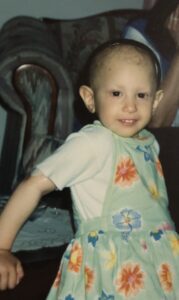 As a child, I lived with chronic pain from my G-tube. Scar tissue, nerve damage, and adhesions made even routine care painful. Sometimes it would take hours to change my G-tube and Mic-key because of how much scar tissue had built up. Most of my treatments were focused on the same area: radiation to my stomach, repeated procedures, and tubes layered on top of each other. My body never really had a chance to heal. I was in constant pain.
Even after the G-tube was removed, the pain didn’t stop. By then, pain had become normal to me. Over a decade of pain had taught me to accept it. I truly believed this was just how life was supposed to feel.
When my G-tube was finally removed, I remember wearing a bikini for the first time. It sounds small, maybe even silly, but it meant everything to me. I was excited to shop for one. It felt like a reward. For the first time, I felt free in my own body, like I wasn’t hiding anymore.
Before my G-tube was removed and my life slowly began to stabilize after treatments, my parents enrolled me in dance lessons. But my costumes always had to be altered to cover my G-tube. I didn’t understand much back then, but I knew I was different. I could feel other kids staring. Some pointed it out. Even when no one said anything out loud, the awareness stayed with me.
I hated standing out.
Over time, I learned to live with that feeling. It took years to reach where I am now. Years of follow-ups. Years of work. But back then, I didn’t question it. This was simply my life.
As I got older, the delayed effects of chemotherapy and radiation began to surface. In my teenage years, new complications appeared. Ones I couldn’t ignore. I didn’t fully understand what was happening, but when I saw my mom cry, fear settled in. I knew something wasn’t right.
That moment stayed with me. It showed me that cancer never truly leaves.
For a long time, I believed I would eventually move past it. But survivorship doesn’t work that way. Cancer becomes part of who you are, especially when treatment happens while you’re still growing and still becoming a person.
In my early twenties, during one of my hospitalizations, a surgical oncologist finally took the time to look at my full history. I was referred to genetics to better understand the ongoing health issues I had lived with for years. At first, doctors believed something else was contributing to my health issues. They didn’t give clear answers, but from what I understand, the future was uncertain. Living with that uncertainty changed how I saw my life. I learned to make room for a shorter life and outcomes I couldn’t control.
During those years of testing, I was preparing myself for the possibility that my life would be much shorter than I had imagined. I adjusted my goals, my expectations, and the way I thought about the future. I focused on being present and enjoying what I had, because nothing felt guaranteed.
Eventually, after a few years of testing, I was diagnosed with Mosaic Variegated Aneuploidy syndrome 3 (MVA 3).
Understanding why my body struggled the way it did gave me clarity I hadn’t had before. For years, I had blamed myself for things that were never my fault. Letting go of that belief is something that I am still working on today.
Even with that clarity, life didn’t suddenly become easier. My body still demanded constant attention, and new complications continued to appear as I grew older. I had learned to navigate hospitals and treatments as a child, but now I had to manage them as a teenager and then as an adult, with the added weight of knowing that my challenges weren’t normal. Each new procedure, each follow-up, reminded me that survivorship wasn’t a one-time victory; it was an ongoing reality.
Hospital stays continued into adulthood; they became a regular part of my life. Almost every year, I found myself back in a hospital bed, facing new complications and the same exhausting cycle.
 Earlier last year, that reality hit hard. As an adult, I’ve had to learn how to advocate for myself in medical settings, often just to be taken seriously. During that stay, I was admitted with an obstruction and in severe pain. For three days, I asked for pain relief over and over again, but nothing changed. With constant pain and no sleep, I was exhausted and barely thinking clearly. At one point, I became convinced they didn’t care about my pain or that my pain didn’t matter to them.
Looking back, I know the pain, sleep deprivation, and years of chronic illness fed those thoughts. But in that moment, they felt real. I felt trapped. By then, I had nothing left in me. My mom stepped out of the room and spoke directly to the staff, advocating for me when I couldn’t anymore. That’s when things finally shifted. An anesthesiologist was brought in. For the first time, I felt like someone was actually listening. That’s when I finally got real relief. A much higher dose of morphine. Ketamine too. Yes, ketamine for pain.
That’s how much pain I had been forced to endure after three days of being ignored. My body finally relaxed, not just because the pain eased, but because someone finally believed me. What makes this harder is that this wasn’t a one-time experience. In all my hospital stays as an adult, there was almost always a delay, a dismissal, or the quiet judgment that I’m exaggerating, that I should toughen up, that my pain isn’t serious enough to matter.
Over time, that frustration stopped being anger at the system and became doubt towards myself. For a long time, I convinced myself everything was fine. That this was minor. That I should stop overreacting. At first, it was for the people around me. I didn’t want them to worry. But over time, I started to believe it myself.
Only recently did I understand the cost of that mindset.
Hospital visits still hit me hard. Familiar smells and sounds can pull me back more than I expect. I don’t remember everything, but my body does. Sometimes I react without knowing which moment it’s tied to. I just know it comes from everything my body has endured.
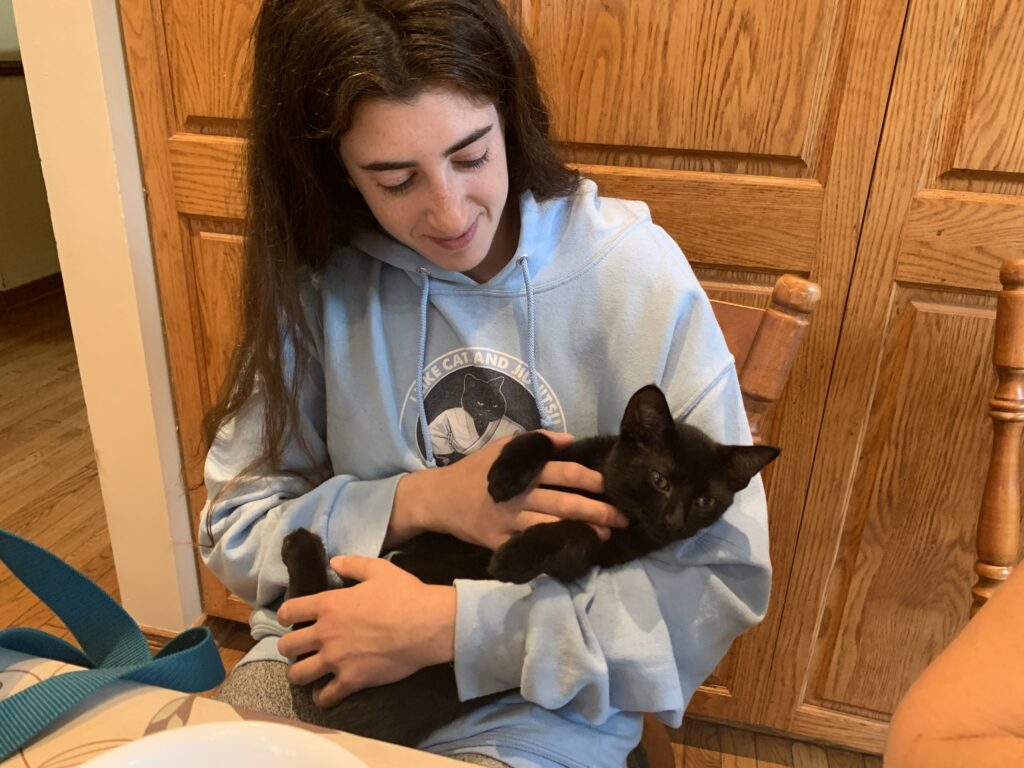
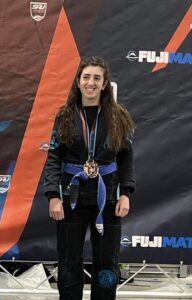 Despite everything, I’ve found relief in unexpected places. My cat has been a quiet source of comfort on the hardest days. Brazilian Jiu-Jitsu gave me something I didn’t know I needed. A place where the physical pain eased and my mind could finally rest.
I know my health journey will always have ups and downs. I don’t expect an easy road. But I’m learning to honour my body instead of fighting it. I’m learning to take my pain seriously and to trust myself.
Sharing my story is one way I reclaim my voice. For myself. And for anyone else navigating rare, misunderstood conditions who feels invisible.