
Australian athlete Tiana Death has bravely shared her journey after being struck by autoimmune encephalitis, a rare and serious brain disease that upended her life and forced her to relearn basic skills such as walking, talking, and writing. Her story not only highlights the personal challenges of the illness but, as reported by MSN.com, also raises awareness about a condition that remains little-known to many.
What is Autoimmune Encephalitis?
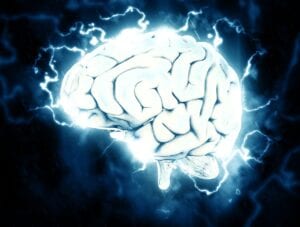
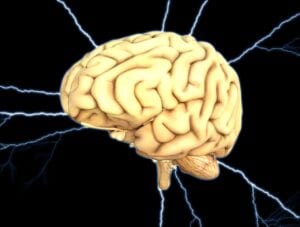
Autoimmune encephalitis is a rare neurological disorder in which the immune system mistakenly attacks healthy brain cells, leading to inflammation of the brain. This can result in a wide range of symptoms, including confusion, memory loss, seizures, speech difficulties, movement problems, and changes in behavior or personality. The condition can progress rapidly, making early diagnosis and treatment crucial.
Unlike encephalitis caused by infections (like viruses or bacteria), autoimmune encephalitis is triggered by an abnormal immune response. Sometimes, it is linked to underlying cancers or other autoimmune diseases, but in many cases, the exact cause remains unknown.
Tiana’s Ordeal
Tiana Death, known for her athletic achievements, began experiencing troubling symptoms that quickly escalated. What started as subtle changes soon progressed to severe neurological impairment, leaving her unable to perform the most basic functions. The disease attacked her brain, robbing her of speech and mobility, and leaving her in need of intensive rehabilitation.
Her journey involved months of hospital care, therapy, and determination. With the support of medical professionals and her loved ones, Tiana gradually regained the ability to walk, talk, and write—milestones that most take for granted, but which became extraordinary triumphs in her recovery.
Raising Awareness and Hope
By sharing her story, Tiana Death aims to raise awareness about autoimmune encephalitis and its life-altering impact. Many patients face delayed diagnoses because the symptoms can mimic psychiatric disorders or other neurological conditions. Early intervention with immunotherapy and steroids can greatly improve outcomes, but awareness among healthcare professionals and the public is essential.
Her story is also a testament to the power of resilience, community support, and specialized rehabilitation in overcoming daunting odds.