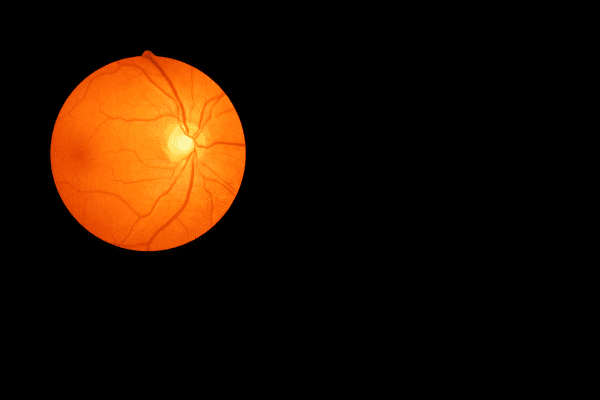
A new study in Nature Communications and reported by Scienmag.com overturns a central assumption in eye biology by showing that key stem cells for the retina’s blood vessels are not in the retina itself, but in the optic nerve. The work by Sakimoto, Takigawa, Oguchi and colleagues identifies a previously unrecognized reservoir of endothelial stem cells that build and repair the retinal vasculature, opening new possibilities for treating blinding diseases.
Traditionally, scientists believed that retinal blood vessels were maintained mainly by local endothelial cells within the retina. This study challenges that view, revealing a distinct population of endothelial stem cells housed in the optic nerve. These cells migrate from the nerve into the retina, where they contribute to vascular growth, maintenance and regeneration. The optic nerve, long seen primarily as a cable transmitting visual signals to the brain, now emerges as a critical stem cell niche for retinal vascular health.
To uncover this population, the researchers combined lineage tracing, molecular profiling and advanced imaging. Lineage tracing showed that the optic nerve cells possess hallmark stem cell traits: they self‑renew and give rise to mature endothelial cells that integrate into retinal vessels. Molecular analyses identified unique markers that clearly distinguish these progenitors from fully differentiated endothelial cells, confirming their status as bona fide stem cells.
The findings help explain how retinal blood vessels can regenerate after injury or disease. A dedicated stem cell niche in the optic nerve suggests a responsive system that can be tapped when the retina is damaged. Conditions such as diabetic retinopathy, age-related macular degeneration and retinal vein occlusion, all involving abnormal or failing retinal vasculature, could potentially be addressed by activating, protecting or transplanting these optic nerve–derived stem cells.
The study also highlights sophisticated communication between the optic nerve microenvironment and the retina. Signals such as VEGF and Notch were identified as key regulators of stem cell activation, migration and differentiation. The optic nerve niche appears to provide a protective, highly tuned milieu, shaped by glial cells, extracellular matrix components and local growth factor gradients, that preserves stemness while allowing rapid response to retinal needs.
Functionally, in vivo models showed that when these optic nerve endothelial stem cells are depleted or impaired, retinal vascular repair after injury is severely compromised. Conversely, stimulating the niche enhances vascular regrowth and restores blood flow, emphasizing its therapeutic relevance for ischemic and degenerative retinal diseases.
Beyond ophthalmology, the work proposes a broader concept: that anatomically distinct structures in the nervous system can host stem cell pools essential for nearby tissues. This challenges organ‑centric notions of regeneration and invites searches for similar hidden vascular stem cell niches elsewhere in the body.
Clinically, the discovery supports multiple future strategies, from isolating and expanding these cells for personalized cell therapies to developing drugs that modulate their niche and signaling pathways. By linking stem cell biology, vascular science and clinical ophthalmology, this research sets the stage for next‑generation treatments aimed at preserving and restoring vision.