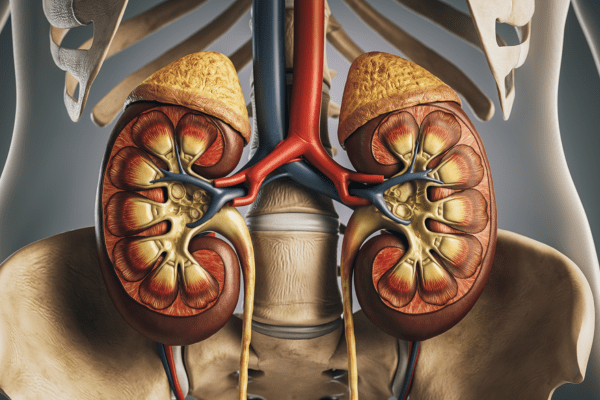
Fibrosis, the accumulation of scar tissue in organs, disrupts normal organ function and leads to progressive impairment. Currently, there is no cure, and existing treatments focus primarily on symptom management rather than addressing the underlying disease mechanisms. According to The Cleveland Clinic, this challenge is further compounded by the heterogeneity of fibrotic diseases, making a one-size-fits-all approach impossible.
A New Therapeutic Approach
Fibrocor Therapeutics is working to bridge this treatment gap by developing first-in-class therapies designed to halt kidney fibrosis at its source. The company’s innovative platform specifically targets fibroblast activation and excessive collagen deposition—the hallmarks of progressive kidney disease.
Alport Syndrome as the Lead Indication
Fibrocor’s initial focus is Alport Syndrome, a severe genetic disorder with no disease-modifying treatments currently available. By developing effective therapies for this condition, the company aims to deliver meaningful outcomes for patients who otherwise face early kidney transplantation or lifelong dialysis.
A Data-Driven Strategy
Leveraging a human biomarker-driven approach combined with targets derived from patient biopsies, Fibrocor is building a rigorous clinical strategy grounded in real patient biology. The company is also advancing complementary programs in ADPKD and transplant-related fibrosis, utilizing patient-derived kidney tissue to identify precision targets capable of preserving organ function and slowing disease progression.
With regulatory approval targeted for 2029, the company benefits from a seasoned leadership team: CEO William Newsome, scientific leader Piet Wigerinck, and clinical expert Paul Ford—collectively bringing decades of expertise in drug development, fibrosis biology, and clinical strategy.