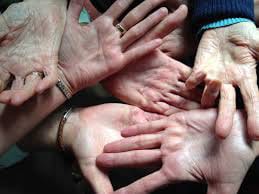
The condition Dupuytren disease, also called Dupuytren contracture, is a chronic disorder of connective tissue in the palm. Tissue gradually becomes thickened and tight, forming cords that can pull one or more fingers toward the palm. The result may be a reduced ability to fully straighten the hand, place it flat, grip objects, or complete everyday tasks. The disease can progress slowly and unevenly, affecting one or both hands. It is part of a broader family of fibroproliferative conditions that includes frozen shoulder, Ledderhose disease, and Peyronie disease. An estimated 10 million Americans live with Dupuytren disease, with prevalence estimated at about 4–7% in the United States.
Why a blood-based biomarker matters
Current care primarily addresses the contracture after it has developed. Procedures can release or remove tight tissue, but they do not yet prevent the underlying disease from starting or progressing, and recurrence can occur. A reliable blood-based biomarker could give researchers a measurable signal of disease biology, support better clinical studies, and help move the field toward treatments that prevent contractures rather than only managing their effects.
A recent press release shared on PR NewsWire described a new study published in PLOS ONE that marks an important step toward earlier, more objective detection of Dupuytren disease—and toward the long-term goal of treatments that can prevent the condition from progressing. Researchers have identified a panel of plasma proteins that distinguished people with Dupuytren disease with 76.5% accuracy in the study. The finding is an early research milestone, not yet a routine clinical blood test, but it gives scientists a valuable foundation for the larger validation work needed to move a blood-based test toward practical use. Dupuytren disease causes connective tissue in the palm to thicken and tighten, gradually drawing one or more fingers toward the hand. The resulting contracture can interfere with gripping, reaching, and other everyday activities. An estimated 10 million Americans are affected, with prevalence estimated at approximately 4–7% in the United States.
Today’s treatments primarily address the contracture after it has formed. They can help release restricted fingers, but they do not yet prevent the underlying disease process, and the condition may recur or continue to progress. A blood-based biomarker could help researchers study that process more directly and develop therapies designed to prevent contractures before they become disabling.
Dr. Charles Eaton, Executive Director of the Dupuytren Research Group and a co-author of the study, described the result as a key step toward developing disease-modifying therapies. He emphasized that the next priority is a larger validating study and that donor support is essential to keeping this research moving. Although Dupuytren is best known for bending fingers, it belongs to a broader family of fibroproliferative conditions that includes frozen shoulder, Ledderhose disease, and Peyronie disease. Progress in measuring Dupuytren biology may therefore help researchers better understand related conditions as well
How You Can Help
The Dupuytren Research Group is a 501(c)(3) nonprofit public charity. Every donation supports research aimed at improving diagnosis and developing ways to prevent Dupuytren contracture. To support the work, visit dupuytrens.org/donate.
Study Citation: Hummer B, Sebastiani P, Leshchyk A, Gurinovich A, Bager C, Karsdal M, et al. (2026) Identification of novel plasma proteomic biomarkers of Dupuytren disease. PLOS ONE 21(3): e0343733. https://doi.org/10.1371/journal.pone.0343733
About the Dupuytren Research Group: Based in West Palm Beach, Florida, the Dupuytren Research Group is a 501(c)(3) nonprofit public charity conducting research to advance the diagnosis and treatment of Dupuytren disease. For more information, contact Dr. Charles Eaton, MD, at [email protected] or visit their website.
Dupuytren Research Group is an advocacy partner of Patient Worthy. Additional articles may be found here.