Editor’s Note: Patient Worthy is honored to share this patient story, which comes to us from our partners at PKD-Free Alliance.
Polycystic kidney disease (PKD) has been part of my family’s story for generations. My grandmother had it. My mother lived with it. Several aunts, uncles, and cousins suffered from its complications. And, at just 17 years old, I joined that lineage when I was diagnosed after experiencing persistent flank pain.
As a teenager the diagnosis didn’t feel real. Nothing ever feels permanent when you’re that young. But deep down, I knew what PKD could mean; I had seen its toll firsthand.
My biggest fear wasn’t just living with the disease; it was the 50/50 chance of passing it on to my children as PKD is an autosomal dominant disease in my family, and that knowledge weighed heavily on me.
For a long time, I felt like I was living in a waiting game. My mother didn’t show major symptoms until her 60s, so I believed I had time. But in my 40s, things began to change. My kidney function declined faster than expected, and I became the youngest woman in my family to undergo a kidney transplant at just 52. It was a challenging chapter, but I was carried through by the love and support of my husband, my sisters, and my children who were my anchors through it all.
My transplant was made possible through an extraordinary living donor exchange at Northwestern University in Chicago, involving four donors and four recipients. Thanks to my selfless husband, who donated his kidney to a complete stranger so I could receive my perfect match, I was given a second chance at life. We now celebrate “Hero Day” every year to honor that gift, and the chain of generosity that made it possible. It’s a reminder that hope often comes through the kindness of those we’ve never met.
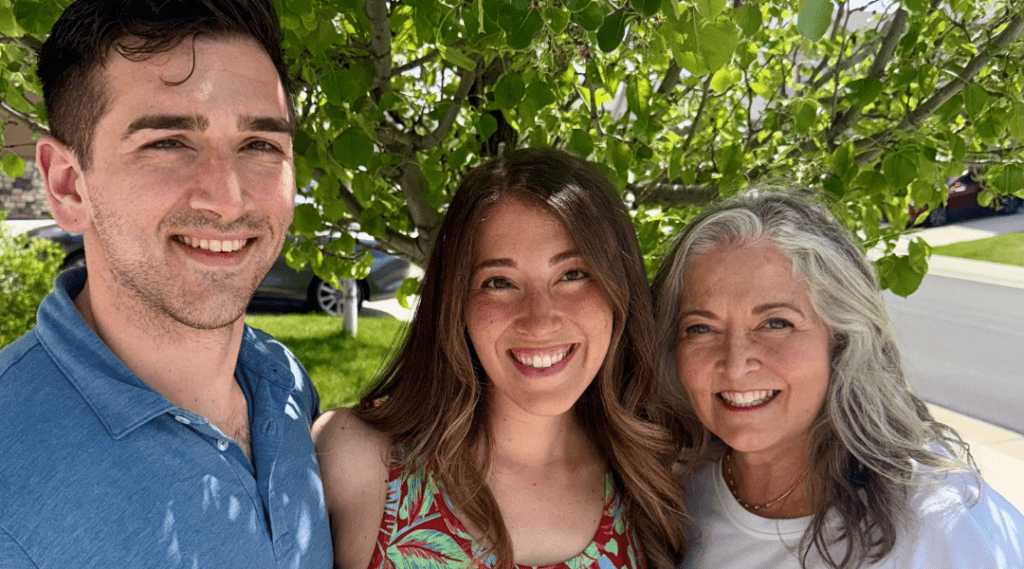
The hardest moment came when we discovered that my daughter, Natasha, had also inherited PKD. It broke my heart. The fear I had always carried became a reality. Yet Natasha and her husband, Anthony, made a courageous decision to take control of their future.
They chose to pursue IVF and used preimplantation genetic testing to ensure their children would not inherit the disease. With the support of the PKD Free Alliance, who provided financial grants, they welcomed their beautiful daughter Juliana, free from PKD, and are now expecting their second PKD-free baby this winter.
Our family’s story is changing. We are finally beginning to break the cycle that defined so many generations before us. And if I could speak to someone newly diagnosed with PKD today, I would tell them this: Don’t live your life in fear. You are more than your diagnosis, and there is real hope on the horizon.
In the future, I dream of a world where we not only find a cure, but where medical professionals fully recognize IVF and genetic testing as powerful tools to stop PKD in its tracks. Until then, families like mine will keep fighting, loving, and building a future free from this disease, one generation at a time.
About the Author
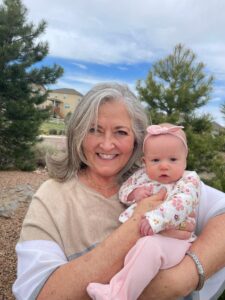
Patricia is a 60-year-old proud mother, grandmother, and avid traveler. Diagnosed with Polycystic Kidney Disease (PKD) in her late teens—a condition that has affected multiple generations of her family—she has witnessed the toll it takes on families.
In 2017, Patricia received a life-saving kidney transplant through a live donor kidney exchange, an experience that deepened her gratitude and transformed her perspective on life. She is especially excited about the advancements in genetic testing and IVF, which now offer the possibility of stopping PKD from being passed on to future generations. Patricia is passionate about raising awareness of these medical breakthroughs and hopes to inspire and inform others facing similar challenges, offering strength, support, and hope for a healthier future.