When my son was eight months old, he had already been hospitalized more times than I can count for infections that seemed far too severe for a baby. Ear infections, bronchitis, pneumonia. Each one landed us in the hospital, each one followed by a cycle of antibiotics, procedures, and more questions than answers. For years, doctors ruled out every kind of cancer they could think of. Finally, he was diagnosed with common variable immunodeficiency (CVID), a catch‑all that seemed to fit at the time.
But as he entered his teens, the infections grew more severe, and his response to treatments became less predictable and more resistant. One of our doctors suggested genetic testing, which revealed the true culprit: Activated PI3K Delta Syndrome (APDS). This is a rare immune disorder caused by a mutation of the PIK3CD gene. His immune cells don’t regulate a critical signaling pathway correctly, which throws both his B and T cells out of balance. He was vulnerable to infection and subject to immune dysregulation. APDS is ultra-rare with it affecting about one in every 1.5 million people. There are only a few hundred identified cases. (Immune Deficiency Foundation)
As we began to navigate the severity of this new diagnosis, another puzzle appeared. At age 13, he began developing cyclical skin nodules that would appear, crater, and then seemingly resolve at random. After various treatments and biopsies he was diagnosed with lymphomatoid papulosis (LP), which is a rare T cell disorder of the skin. It is usually benign but does carry an increased risk of progressing to lymphoma. (PubMed)
What made our son’s case unprecedented was that both of these two rare conditions appeared together. His doctors had never seen either alone, let alone together. I asked if there could be a connection. Each doctor indicated that there was no current research to suggest a connection but left open the possibility that not enough information is known about either and more specifically how the two may work together. Suddenly, these neat boxes of immune system disorders we had learned about didn’t seem to apply.
When you are a parent with a child who has a condition with limited information, you become excellent at research. You pour over lab work and biopsy results, you read medical journals late into the night and you derive a list of questions to ask specialists at each appointment. You search for answers to questions you haven’t even thought of asking out loud. From a medical standpoint there are often compartments: B cells go here, T cells go over there, immunity exists in this box. APDS does not have tidy categories. The mutation disrupts signaling for both B and T cells. Research shows that overactive PI3K Delta signaling changes T cell differentiation, expands memory and follicular helper T cells and alters cytokine profiles which blurs the line between deficiency and activation. (OUP Academic)
To me, this helps provide potential clarity around how LP emerged or at least provides for a possibility of connection. Many clinicians think of APDS primarily as a B-cell problem, but in reality, its effects ripple across the immune system. Disrupted B – cell maturation can throw off the balance of T-cell populations, allowing T cells to adopt activated and memory states that promote chronic proliferation. Dysregulation in one compartment can set the stage for pathology in another.
There is limited literature on coexisting APDS and LP. This forced me into a deep dive of trying to determine if there was even the possibility of connection. There is extremely limited research in which lab models show that APDS mutations promote not just lymphopenia but persistent memory T cell activation. Reshaping the immune landscape in this way could favor disorders like lymphomatoid papulosis.OUP Academic
Clinically, managing treatment for these co-existing conditions was a tightrope walk. He was prescribed methotrexate for his LP, which worsened his already fragile white blood cell count due to his APDS. This led to him being on prophylactic antibiotics for years to manage and hopefully curb outbreaks of these skin lesions.
Then a breakthrough came in the form of a medication called leniolisib (Joenja). In clinical trials it reduced lymphadenopathy and improved naive B cell counts. (ASH Publications) Long-term follow-up suggests sustained benefit, including fewer infections and more balanced immune regulation. (PubMed)
My son started leniolisib in June 2024 and the change was remarkable. He had fewer infections, faster recovery, more energy and some stabilization of immune markers. What surprised us most though was the impact on LP outbreaks. When he recently stopped azithromycin prophylaxis to test whether improved immune regulation alone could control LP, there was no significant flare. To me, it hinted that normalizing his underlying immune signaling may also calm downstream T cell dysfunction.
For years I was curious about the potential connection between the two conditions. There is currently no “proof” that the two are connected. However, this experience has shaped how I think about clinical care for rare immune disorders. Most guidelines are structured around single diseases or pathways. But real immune systems are networks. They don’t exist in silos. There is cross-talk, feedback loops, compensatory responses and unexpected consequences.
The broader lesson is this: rare diseases aren’t rare to the families living them and they often reveal fundamental truths about human biology that mainstream medicine overlooks. When a single genetic mutation triggers a cascade of dysfunction across cell types, it challenges compartmentalized models and demands that we rethink how we approach diagnosis and treatment. Understanding these complex interactions isn’t just academic; it’s the difference between symptomatic management and meaningful restoration of immune balance.
We need more research that embraces complexity, longitudinal immune profiling rather than snapshots, and curiosity among clinicians to look beyond conventional association. Most importantly, we need to value patient and caregiver insights alongside scientific expertise. Because sometimes, the most powerful discoveries don’t come from textbooks. They come from lived experience.
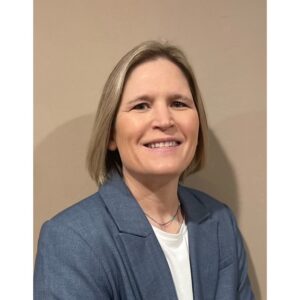 Author Bio: Sarah Whaley is a school district administrator and writer whose work explores how complex systems—educational and medical—shape human outcomes. After her son was diagnosed with two rare autoimmune conditions, she undertook an intensive self-directed study of immunology and rare disease, translating scientific complexity into clarity and insight. Her writing bridges lived experience and research, challenging assumptions about rarity, resilience, and the broader value of rare disease discovery.