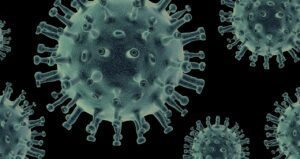
It took two new cases of the deadly Nipah virus to remind people in West Bengal, India of the 1998 outbreak that killed over one hundred people. Nevertheless, according to Medical News Today, health officials do not believe there will be an immediate global pandemic due to the unusual mode of transmission.
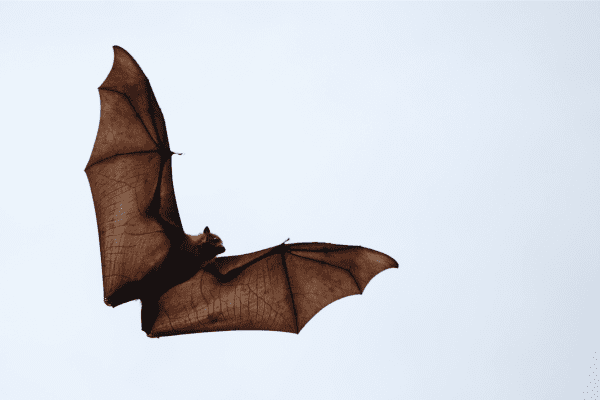
The virus is transmitted by fruit bats that infect a popular delicacy and infect other mammals in the Asia Pacific region with whom humans work with.
Dr. William Schaffner, of Vanderbilt University’s Infectious Disease Division, Nashville, Tennessee did not rule out the potential danger posed by the virus. The fatality rate is between forty and 75 percent. Therefore, even a small number of reported cases can be cause for alarm.
The professor explained that Nipah exposes people to encephalitis which, if they survive, is either fatal or the patient may face long-term disability.
Fruit bats, called ‘flying foxes’ are known to be the natural host of the virus and are found in Australia and Asia.
While the virus does not seem to cause disease in fruit bats, horses and pigs also carry the virus and they appear to be susceptible.
Nipah may occur after a person consumes fruits or fruit products infected by fruit bats or even among people who have been in close contact. Thus far there has been no confirmed spread of Nipah outside India or at the global level. Cases of the virus tend to peak during December and May. The scarce food supply forces the bats to seek food sources from orchards when they experience breeding and nutritional issues according to Professor Prem Prakash at Meharry Medical College in Nashville.
The 1998 outbreak
In 1998 the largest outbreak occurred in Kampung Sungai Nipah Village, Malaysia when about three hundred pig farmers became infected. Over one hundred farmers eventually died. It was later discovered that a large number of pigs ate scraps of contaminated fruit. To prevent further outbreaks, several million pigs were slaughtered.
Prevention
The most effective preventative method, in addition to proper handwashing, is to avoid any contact with pigs, bats, or people that are infected with the virus. Also avoid sap from raw date palms. People are advised to boil the mix to inactivate the virus. Palm trees in the affected regions are being netted in an effort to keep fruit bats away from trees while the sap is flowing. Also, protective covering of pots should help.
Professor Prakash said that it is advisable to avoid fruits with biting or scratch marks that may be contaminated by the bat’s urine or saliva.
Other precautions Professor Prakash suggested were to separate pigs from fruit trees and to quarantine sick animals. The professor also suggested using full protective equipment on farms such as gloves, masks, gowns and protection for eyes when attending to confirmed patients. Strict infection controls are warranted.
Is A Vaccine Available?
Currently there is no vaccine approved for the Nipah virus as it is not a common illness and there is little incentive to create either a treatment or a vaccine. However, Professor Prakash, mentioned that Oxford University has launched a Phase II clinical trial investigating a Nipah virus vaccine in Bangladesh. In addition, the Professor reported a monoclonal antibody named m102.4 that shows strong promise but is not fully approved and not yet available.