As reported by the BBC, landmark advance in type 1 diabetes care has been reached with the introduction of teplizumab, the first treatment shown to delay the onset of the disease. The immunotherapy is now set to be offered through the National Health Service (NHS) in England and Wales, marking a significant shift in how this lifelong autoimmune condition may be managed.
A New Therapeutic Approach
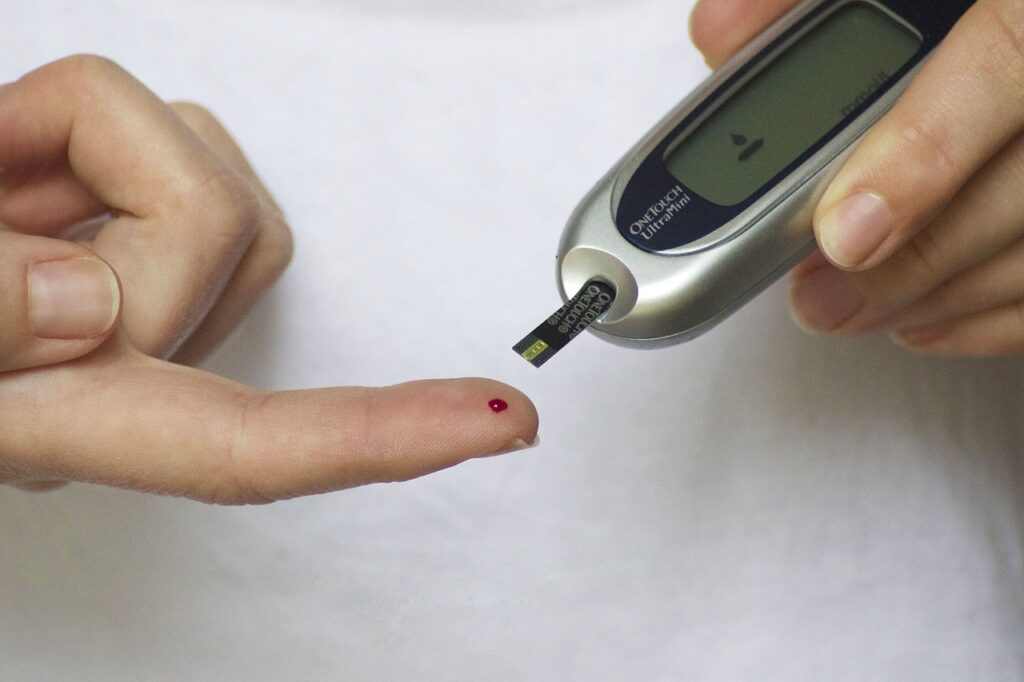
Type 1 diabetes arises when the immune system mistakenly attacks insulin-producing beta cells in the pancreas. Unlike type 2 diabetes, it is not typically linked to lifestyle factors. Patients require lifelong insulin replacement and careful monitoring of blood glucose levels to prevent both acute and long-term complications.
Teplizumab works by modulating immune activity. Administered as a 14-day intravenous infusion course, the therapy can delay progression to symptomatic disease by an average of approximately three years in individuals identified as being at high risk. During this period, patients can avoid insulin dependence and the daily burden of managing blood glucose.
Eligibility and Early Detection Challenges
The therapy is intended for individuals in the early, pre-symptomatic stages of type 1 diabetes, when the autoimmune process has begun but clinical symptoms have not yet emerged. Identification relies on blood tests that detect specific autoantibodies.
However, routine screening for type 1 diabetes risk is not yet widely implemented in the UK. Most patients may only discover their risk through research studies, incidental testing, or family history. This contrasts with countries such as Italy, where national screening programs are in place.
Health experts and advocacy groups are now calling for expanded screening initiatives to maximize access to the therapy and ensure timely intervention.
Patient Impact and Clinical Promise
For families affected by type 1 diabetes, even a temporary delay in disease onset can be transformative. The additional years without insulin therapy can allow children and adolescents to continue daily life with fewer medical demands, reducing both physical and emotional strain.
Clinical leaders have characterized the NHS decision as a pivotal milestone, emphasizing that this is the first treatment capable of altering the disease course rather than simply managing symptoms after diagnosis.
The National Institute for Health and Care Excellence (NICE), which approved the therapy, estimates that more than 1,000 individuals could be eligible in the first year of rollout, with several hundred new patients benefiting annually thereafter.
Cost and Implementation
The listed cost of teplizumab is approximately £150,000 per treatment course, though the NHS has secured a confidential pricing agreement with the manufacturer, Sanofi. Despite the high upfront cost, policymakers view the therapy as a meaningful investment in delaying disease progression and potentially reducing long-term healthcare burdens.
Looking Ahead
Teplizumab represents the first step in a broader shift toward immune-based interventions in type 1 diabetes. Several additional immunotherapies are currently under development, raising the possibility of combination approaches tailored to individual patients. Researchers and clinicians hope that such strategies could eventually prevent or even halt the disease entirely.
While access currently applies to England and Wales, decisions regarding availability in Scotland and Northern Ireland are pending. In Scotland, health authorities are expected to issue guidance in 2027.
Conclusion
The introduction of teplizumab signals a new era in type 1 diabetes care, offering a proactive approach to a condition traditionally managed only after symptom onset. Although challenges remain—particularly around early detection and equitable access—the therapy provides a critical window of opportunity for patients and families, and lays the groundwork for future advances in disease prevention.