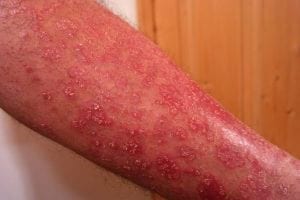
As reported on Healio, the U.S. Food and Drug Administration has broadened the indication for roflumilast cream 0.3% (Zoryve, Arcutis), allowing its use in children with plaque psoriasis as young as 2 years of age. This decision introduces the first nonsteroidal topical prescription therapy for this patient population, addressing a longstanding gap in pediatric dermatology care.
Roflumilast is a topical phosphodiesterase-4 (PDE-4) inhibitor that works by reducing inflammation associated with psoriasis. While the therapy was previously approved for children aged 6 years and older, the updated labeling now extends access to toddlers and preschool-aged patients. The once-daily regimen offers a convenient alternative to traditional therapies, particularly for use on sensitive skin areas such as the face and intertriginous regions.
Addressing an Unmet Need in Pediatric Psoriasis
Historically, treatment options for young children with psoriasis have been limited, with topical corticosteroids forming the cornerstone of therapy. However, clinicians and caregivers alike have expressed concerns about steroid-related side effects, especially with prolonged use or application to delicate areas of the skin. The availability of a steroid-free option is expected to significantly influence treatment approaches.
According to pediatric dermatology experts, this newly approved therapy has the potential to reshape care strategies. The ability to prescribe a nonsteroidal topical medication for very young children may improve both adherence and caregiver comfort, particularly in cases where steroid hesitancy has hindered treatment.
Clinical Evidence Supporting the Approval
The FDA’s decision was informed by data from a Maximal Usage Systemic Exposure (MUSE) study involving children aged 2 to 5 years with plaque psoriasis affecting at least 2% of body surface area. Researchers evaluated pharmacokinetics, safety, tolerability, and preliminary efficacy over a four-week period.
Further support came from a long-term extension phase of the study, which demonstrated that roflumilast cream maintained a favorable safety and efficacy profile over 24 weeks. These findings were consistent with results observed in earlier phase 3 trials conducted in adolescents and adults, suggesting comparable outcomes across age groups.
Safety Profile
Adverse events reported in clinical studies were generally mild and infrequent, occurring in fewer than 3% of participants. The most commonly noted effects included gastrointestinal symptoms such as diarrhea, as well as headache, insomnia, nausea, application site discomfort, upper respiratory infections, and urinary tract infections. In clinical practice, physicians often focus counseling on the possibility of mild gastrointestinal upset and headaches, as these were among the more notable side effects.
Broader Context of Roflumilast Use
This expanded indication adds to a growing list of dermatologic uses for roflumilast formulations. In addition to the 0.3% cream for plaque psoriasis, the drug is available in foam formulations for scalp and body psoriasis and seborrheic dermatitis, as well as in lower-strength creams for atopic dermatitis across various pediatric age groups.
Clinical Implications
The approval of roflumilast cream 0.3% for children as young as 2 years represents a meaningful advancement in psoriasis management. By offering an effective, once-daily, and steroid-free alternative, clinicians now have greater flexibility in tailoring treatment plans for young patients. This development may reduce reliance on topical corticosteroids and help address caregiver concerns, ultimately improving the quality of care for pediatric patients living with psoriasis.