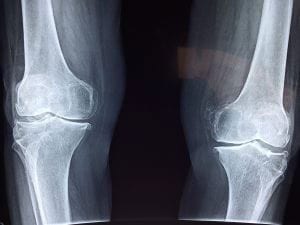

Today the Tin Soldier Disease has a treatment. A clinical trial showed a 90% reduction in new bone development in adults with FOP.
After Decades of Hope Deferred, Pasatru Offers Patients the Chance to Reclaim Their Futures—and a Pediatric Trial Promises Even Greater Hope
For the approximately 900 people worldwide living with fibrodysplasia ossificans progressiva (FOP), August 19, 2026 marks a watershed moment. The U.S. Food and Drug Administration has granted approval to Pasatru™ (garetosmab-grts)—the first treatment capable of meaningfully slowing the catastrophic bone formation that defines this devastating ultra-rare genetic disorder. For a community that has endured decades without effective options, watching loved ones progressively lose their mobility and independence, this approval represents not merely a medical achievement, but a genuine turning point.
The progression is relentless and devastating. HO of the jaw makes speaking and eating difficult. HO of the spine compromises breathing. HO of the hip and rib cage steal the ability to walk. “Every irregular new bone formation is a step toward disability and potential loss of mobility,” according to Dr. Kathryn Dahir, Professor in the Department of Internal Medicine, Division of Endocrinology, Diabetes, and Metabolism at Vanderbilt University, and a primary investigator for the OPTIMA trial.
The statistics are heartbreaking: most FOP patients are wheelchair-bound by age 30, with a median survival age of just 56 years. In many cases, the cause of death is related to the progressive immobility and organ dysfunction caused by HO—essentially, the disease progressively robs patients of the basic functions of living.Yet the most transformative potential lies ahead, with plans to begin a pediatric clinical trial later this year—because intervening earlier in the disease course could fundamentally alter the trajectory of lives.
Pasatru works by blocking Activin A, a protein that Regeneron scientists discovered plays a critical role in driving HO formation in FOP. The Phase 3 OPTIMA trial provided striking evidence of its efficacy.
At 56 weeks, the results were dramatic:
- Patients receiving the 10 mg/kg dose experienced a 90% reduction in new heterotopic ossification lesions compared to placebo (2 lesions vs. 19 lesions)
- Patients receiving the 3 mg/kg dose achieved an even more impressive 94% reduction (1 lesion vs. 19 lesions)
- Clinician-assessed flare-ups were reduced by 88% in the higher-dose group
These aren’t modest improvements. These are transformative reductions in disease progression.
The trial enrolled 63 participants aged 18 and older with active FOP disease. The safety profile was manageable, with serious treatment-emergent adverse events occurring in only 4 of 63 patients across all treatment groups. The most common adverse reactions were generally manageable skin and mucosal conditions.
Perhaps equally important for patients’ quality of life: Pasatru can be administered in multiple settings, “including home infusion where appropriate.” For patients already facing significant mobility challenges, the ability to receive treatment without traveling to a hospital represents a meaningful quality-of-life benefit.
The Even Greater Promise: A Pediatric Trial That Could Change Everything
But here is where the truly transformative potential emerges: Regeneron plans to begin a Phase 3 pediatric clinical trial (OPTIMA 2) later this year, evaluating Pasatru in adolescents and children with FOP.
This is crucial. FOP symptoms typically begin in childhood. The disease progressively worsens over decades. By the time patients are adults—the population studied in OPTIMA—many have already experienced years of progressive bone formation and disability.
What if treatment could begin earlier? What if children and adolescents could receive Pasatru while they still have greater mobility and joint function? The implications are profound:
- Earlier intervention means less accumulated bone formation. Each year of disease progression adds new HO lesions. Starting treatment in childhood could prevent years of cumulative bone formation.
- Preserving mobility during critical developmental years matters enormously. Childhood and adolescence are when people develop independence, pursue education, engage in physical activities, and form their identities. Earlier treatment could allow young patients to experience a fundamentally different disease course.
- The trajectory changes. Instead of facing wheelchair dependency by age 30, patients who receive early treatment might preserve significant mobility well into adulthood.
- Quality of life is transformed. Consider the difference between a 12-year-old with FOP who can walk versus one who cannot. The psychological, social, and physical implications are staggering.
The pediatric trial represents the real frontier of FOP treatment. While adult patients will benefit significantly from Pasatru, truly transforming the disease requires intervening in children and adolescents before decades of progressive HO accumulation.
An advocacy group https://www.tinsoldiers.org/ began with a documentary of the devastation of FOP. You can watch it on their website, Then it turned to help identify every FOP case in the world. IFOPA- https://www.ifopa.org/ has a patient registry, and patient to patient support. Their moto “ A cure for FOP, accessible worldwide.”
The international response has been swift. Regulatory submissions are already under review in the European Union, with additional submissions planned in Japan and other countries
The Broader Significance
Pasatru’s approval also resonates beyond the FOP community. It demonstrates that even ultra-rare diseases—affecting fewer than 1,000 people worldwide—can attract serious scientific and pharmaceutical attention. It shows that patient advocacy, scientific persistence, and research partnerships can overcome the economic barriers that typically prevent drug development for rare conditions. Now lets ‘s see if this medicine is accessible to the 900 + known cases. The end of incredible suffering is in our hands- can we open them to all FOP patients.