
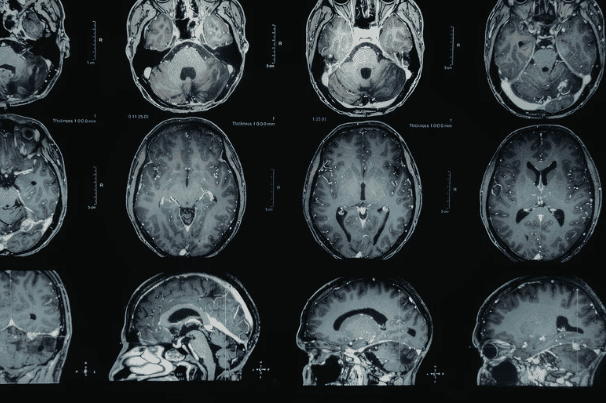
A single genetic change can have dramatically different effects from one person to the next. That is the reality for people living with PTEN hamartoma tumour syndrome (PHTS), a rare inherited condition caused by mutations in the PTEN gene, which normally helps control cell growth.
When PTEN is altered, cells can grow abnormally, leading to benign tumours called hamartomas or, in some cases, multiple cancers. Because PHTS is inherited in an autosomal dominant pattern, just one altered copy of the gene increases risk. Scientists know cancer usually develops when the second healthy copy also stops working, but that alone does not explain why some people are severely affected while others are not.
Researchers at the Wellcome Sanger Institute hope to answer that question through the RECCE-PTEN project, which aims to understand how PTEN mutations influence different tissues and why certain cells become cancerous.
A Lifetime of Monitoring
Pam, 61, from northeast England, was diagnosed with Cowden syndrome, the most common form of PHTS, at age 46 after two of her sisters developed breast cancer within a year of each other. During a genetic consultation, a specialist noticed she had macrocephaly, or an unusually large head size, a common feature of the condition.
“During the appointment with the geneticist, he asked me if I struggled to find hats that fit,” Pam recalls. “We laughed because we couldn’t see what that had to do with breast cancer. He then said he suspected something much rarer called Cowden syndrome.”
A blood test later confirmed the diagnosis, helping explain a long history of unexplained health issues in her family, including a blood vessel tumour she developed as a child.
Since then, Pam has undergone extensive screening and treatment, including a hysterectomy, thyroid removal, and a preventative mastectomy that revealed precancerous cells. She has also experienced skin cancer and hyperpolyposis, which causes thousands of growths in her digestive tract.
“My life since then has been an endless stream of hospital appointments and screenings,” she says.
The Emotional Impact of an Invisible Condition
PHTS affects families as much as individuals. Testing revealed Pam’s mother carried the altered gene, leaving her struggling with feelings of guilt.
“The guilt she felt was immense,” Pam says.
The syndrome’s unpredictability is particularly difficult. Pam lost both her youngest brother and sister to PTEN-related complications at exactly the same age: 49 years and 4 months. Yet each family member experienced different symptoms and outcomes.
“As it impacts everyone differently, it’s hard not to compare yourself to others and worry about what’s ahead,” she says.
Because PHTS is rare, many patients also face a lack of awareness among healthcare professionals.
“Because it’s an invisible disease, people look at me and think I’m fine, but they don’t see the anxiety of having to be my own specialist because so many doctors don’t know about my condition,” she says.
Understanding Why Cancer Develops
Led by Dr. Raheleh Rahbari and Dr. Joseph Christopher, the RECCE-PTEN project will use advanced technologies including laser capture microdissection and NanoSeq, an ultra-sensitive DNA sequencing method developed at the Sanger Institute.
By comparing healthy and cancerous tissues from people with PHTS, researchers hope to identify the biological changes that trigger cancer in some tissues while leaving others unaffected.
The team is also partnering with the PTEN National Registry to create a tissue donation network, helping build a biobank that could support future discoveries and identify biomarkers for earlier cancer detection.
“Understanding how PTEN variants reshape somatic evolution across different tissues could provide important insights not only into PHTS-associated cancers, but more broadly into why some tissues become vulnerable to cancer transformation, while others don’t,” says Dr. Rahbari.
Hope for the Future
For patients, the research offers hope that future generations could benefit from earlier diagnosis, targeted screening, and better monitoring.
“More research is absolutely necessary,” Pam says. “We are often left without understanding what to expect in the future, and research can help bridge this gap, educate medical professionals, and lead to better care. We deserve that.”
While she continues to manage the uncertainty of the condition, Pam focuses on holistic wellbeing, volunteering, and caring for her partner and rescue dog.
“In the North East, where I’m from, we have a ‘crack on’ attitude,” she says. “I refuse to let this syndrome define who I am.”