Editor’s Note: This Veteran’s Day, Patient Worthy is honored to bring you this submission by John H.
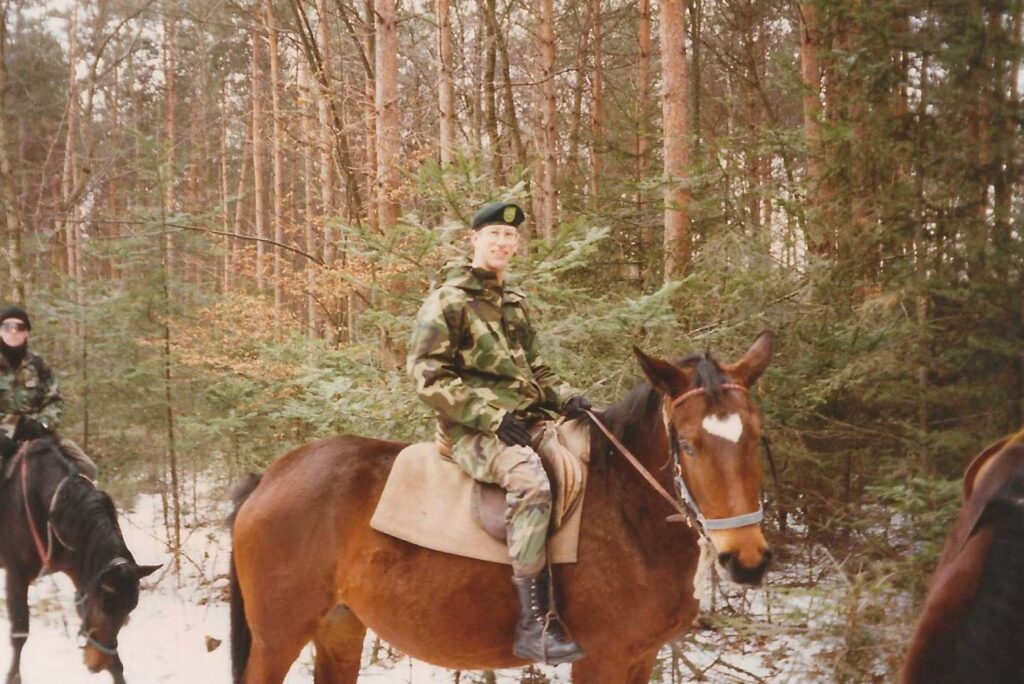
 The U.S. military was our family business. It was expected of the men in a specific order: turn 18, leave the house, enter the service. While my father and brothers were in the Air Force, after I graduated high school, I enlisted in the U.S. Army. I began as an Infantryman and worked my way through several positions from air crew and drill sergeant to a medic in Special Forces.
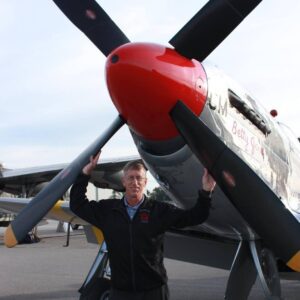
After 20 years of service, I retired from the military in 1997 and went on to live a very active and adventurous life. I was a private pilot, a martial artist, a parachutist and a scuba diver. I would go skiing every year and I ran half marathons—nothing could slow me down. But one day during the summer of 2019, I noticed I couldn’t hold my fingers together while swimming. I didn’t know it then, but this marked the beginning of my journey with Amyotrophic Lateral Sclerosis (ALS), also known as Lou Gehrig’s disease.
What began as a subtle weakness progressed into finger cramping and other issues affecting my left arm. I began seeing various doctors to determine the underlying issue, a process that was further complicated and extended by the COVID-19 pandemic, which made it difficult to schedule appointments.
After two and a half years, I was finally diagnosed with ALS: a rare and fatal disease that progressively damages the nerve cells responsible for muscle movement, leading to muscle weakness and paralysis over time.
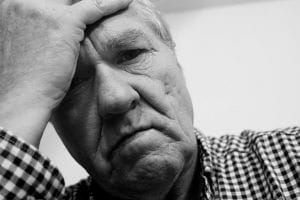
After receiving this diagnosis, I spent the first three months scared out of my mind. I didn’t know what ALS was or what it meant for my life. But then I realized the difference in how I spent the rest of my life would depend on my outlook and attitude, and I made the decision to look at this chapter through a familiar lens.
In Special Forces, everything is about planning. Knowing that you can’t foresee every circumstance, you still have to try to cover as many bases as possible. With this mindset shift, I launched back into what I knew best: gather information, assess it and find out what’s possible.
I began doing my research and learned about the connection between ALS and military service. For unknown reasons, military veterans are 1.5 times more likely to develop ALS than the general public. The Department of Veterans Affairs (VA) recognizes ALS as a service-connected condition, and the support and medical care that it offers veterans can be invaluable. I feel very fortunate to have access to the medical care and support I need through the VA.
Although I initially lost the use of my left, non-dominate arm first, I still had the use of my right, which allowed me to maintain some independence for about three years after my diagnosis. However, my right arm has nearly caught up, and I now rely on my wife as my primary caregiver. I’m grateful that my disease is progressing slowly, giving me time to adjust and adapt, but it’s not always easy.
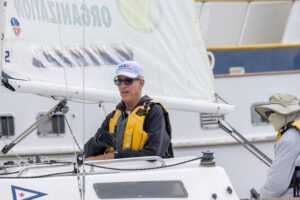
I see ALS like another deployment. You’re placed in new circumstances, strange surroundings and you have new obstacles to overcome. So, you band together with other people going through the same experience, and you lean on each other to get through and accomplish your shared mission.
My new mission is this: to live life as fully as I can, stay hopeful and encourage others, especially veterans, to learn more about ALS.
For me, that means making the most of the time and abilities I have today. I try to travel as much and as often as I can, knowing there may come a day when I can’t. That’s also the advice I would give to anyone living with ALS: live the life you have today as fully as you can, and remember that life is a gift, no matter how long or short it may be.
For my fellow veterans living with ALS, I want you to know that you are not alone. There are resources and support programs available to help you navigate the road ahead.
For more information and support, visit ALSveterans.com.
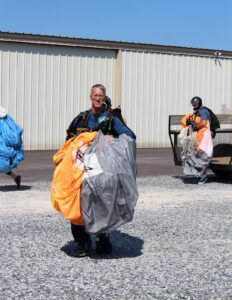 About the Author: John H. is a U.S. Army veteran who completed his military service in 1997. Since then, he has lived in coastal Florida, building a life centered on adventure and physical activity. His interests have included flying as a private pilot, scuba diving, martial arts, marathon running, swimming, and traveling. After first experiencing weakness in his fingers in 2019, he spent two and a half years seeking answers before being diagnosed with ALS in 2021. Today, John is a passionate advocate for living fully with ALS and raising awareness of the disease and available resources among fellow veterans.