
Subcutaneous Tepezza Matches Infusion in Phase 3 Trial, Amgen Reports
- April 8, 2026
Can We Fix This Broken Heart? – Part 3
Next-Generation Eye Treatment OLN324 Demonstrates Superior Performance in Major Clinical Trial

Alkermes Launches Phase 3 Program for Investigational Narcolepsy Therapy Alixorexton

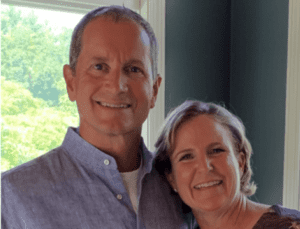





Denford has been living with HIV since December 2003. He is currently the planning council manager for a program that offers free care and support services to those living with HIV. Denford is also a member of NMAC's HIV 50+ Strong & Healthy Cohort, which is comprised of older Americans who have a demonstrated record of advocating for people 50 years and older who are living with HIV. He is the newly elected co-chair of the National HIV & Aging Advocacy Network's (NHAAN) Heterosexual Men Living with HIV Special Interest Group (SIG). Denford has a certification in substance abuse counseling and is a volunteer mental illness teacher with the National Alliance of Mental Illness (NAMI). Denford is also a veteran who served in the U.S. Army. “I want people to know they can be the CEO of their own life.”
If you would like to share your HIV journey, click the link bit.ly/4dV7gru
#shareyourstory #patientworthy #HIV #hivawareness
For many people in the rare disease community, nerve-related symptoms can be difficult to describe and even harder to explain. Unusual sensations like burning, tingling, or electric-like feelings may occur even when there’s no visible cause. Raising awareness of these neurological symptoms helps bring attention to the complex ways rare diseases can affect the body and why listening to patient experiences is so important.
#RareWordOfTheWeek #RareDisease #RareDiseaseAwareness #PatientWorthy

We are currently seeking individuals who have been diagnosed with HIV and are willing to share their personal experiences.
Sharing your story is powerful. By speaking about your journey, you can help reduce stigma, increase understanding, and provide hope to others who may feel isolated or uncertain after diagnosis. Your voice can help educate communities, support advocacy efforts, and contribute to improved care and awareness for people living with HIV.
If you or someone you know has been diagnosed with HIV and is interested in learning more, visit patientworthy.com
To share your story, click the link below.
bit.ly/4dV7gru
#patientsneeded #PatientWorthy #HIV #hivawareness #shareyourstory #yourstorymatters


