
Facebook-f Twitter Instagram Podcast Youtube Tiktok Linkedin-in Pinterest Envelope Share
MASH Rec CARD (13)
CLICK HERE TO SHARE YOUR STORY!
  • About
    • Meet Our Contributors
    • Meet Our Partners
    • Meet the Patient Worthy Team
    • Collaborative Content On Patient Worthy
  • Diseases
  • Share Your Story
    • Patient Worthy Content Submission Guidelines
    • Patient Worthy Writing Prompts
    • Submit Your Story
    • Patient Stories
  • Resources
    • Library
    • Events
    • Patient Worthy FAQs
  • Podcast
  • Contact
Menu
  • About
    • Meet Our Contributors
    • Meet Our Partners
    • Meet the Patient Worthy Team
    • Collaborative Content On Patient Worthy
  • Diseases
  • Share Your Story
    • Patient Worthy Content Submission Guidelines
    • Patient Worthy Writing Prompts
    • Submit Your Story
    • Patient Stories
  • Resources
    • Library
    • Events
    • Patient Worthy FAQs
  • Podcast
  • Contact
  • Join PW

What We Don’t Talk About Could Hurt Us: Discussing Race, Genetics, and Treatment Decisions

  1. Home>
  2. 2017>
  3. August>
  4. 18>
  5. Rare Disease>
  6. What We Don’t Talk About Could Hurt Us: Discussing Race, Genetics, and Treatment Decisions
What We Don’t Talk About Could Hurt Us: Discussing Race, Genetics, and Treatment Decisions
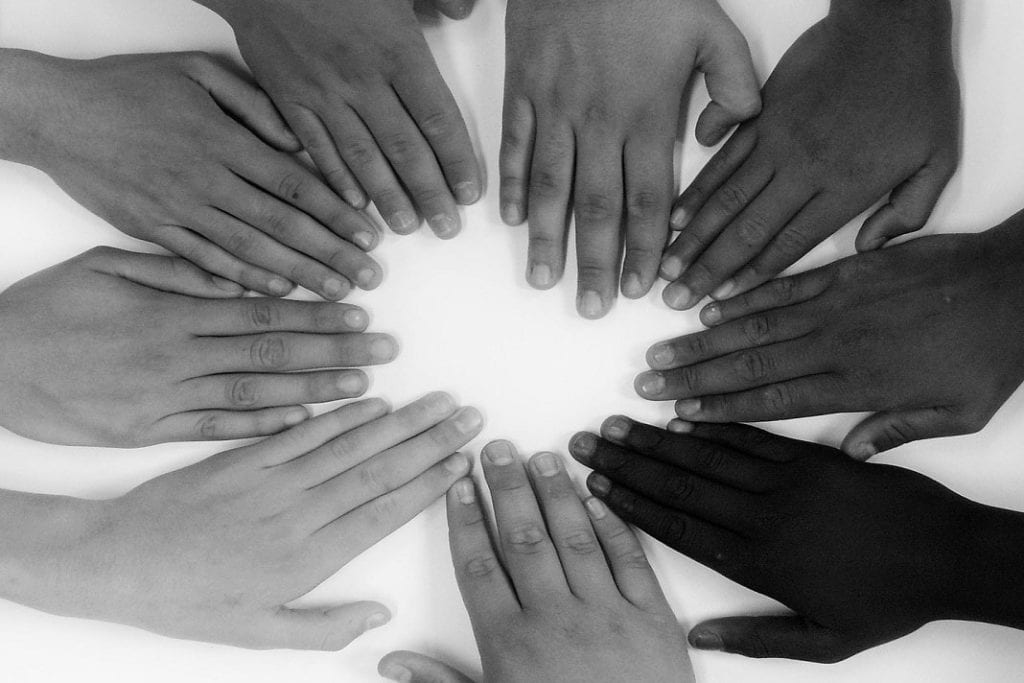
[Source: pixabay.com]

What We Don’t Talk About Could Hurt Us: Discussing Race, Genetics, and Treatment Decisions

  • Post author:Ronald Ledsen
  • Post published:August 18, 2017
  • Post category:Cystic Fibrosis / Rare Disease

The concept of “race” occupies a perilous crossroads at this moment in American history. Some would argue that we live in a “post-racial” world since the election and re-election of a black President; but a quick read of the headlines shows that race relations still have a long, long way to go. You could also make a case that some of the people pushing the “post-racial” argument are doing so for explicitly or implicitly racist motivations—i.e., to hand-wave away any built-in, systemic disadvantages that keeps some people from getting ahead in life.

Or, in the chronic illness community, to funnel funding toward diseases such as cystic fibrosis (CF) that affect primarily people of Northern European (read: Caucasian) descent.

At the same time, the very notion of “race” as a way to look at people of various ethnicities is itself something of a misnomer with an unfortunate history—all of us, regardless of our ancestry, are members of the same human race. That we divide humans into different races based on heritage has more to do with our forbears justifying institutions like slavery and discrimination by arguing that those who weren’t of European stock were… something less than human.

Good RIDDANCE to those days and to those bastards who embraced (or still embrace) those arguments. But while we should all aspire to the bare minimum decency standard of treating everyone the way we’d want to be treated, there’s a difference between being color-blind and genetics-blind.

Cystic Fibrosis, Sickle Cell Disease, and DNA-Kits. Oh, My!
That’s because our ancestry can hold key genetic differences that determine our susceptibility to a whole range of diseases, including cystic fibrosis, and predict our response to different treatments.

Greg Hall, an assistant clinical professor at Case Western Reserve University in Cleveland, Ohio, has a great opinion piece about this you should definitely check out. In it, he breaks down some of these genetic differences and how the healthcare community has responded (or hasn’t responded) to them. For example, we know that people with African ancestry are at much greater risk of sickle cell disease, while those of Northern European ancestry are more prone to cystic fibrosis. And while both groups are susceptible to various types of cancer, the rates of occurrence, aggressiveness, and even response to treatment can vary wildly.

Why that’s the case is largely a mystery—you could argue that it has to do with a complex mix of climate, inheritance patterns, and gene mutations. But the “why” matters less than knowing what to do with that information. And that’s where healthcare professionals and patients need to do a much better job of communicating with each other.

According to an NIH study, many physicians are reluctant to talk to their patients about the links between race/ethnicity, genetic predisposition to disease, and treatment decisions. This is perplexing when these links are known or well established; it’s extremely troubling when it can lead to patients being prescribed treatments that aren’t appropriate for them, or when potentially life-saving tests are ignored.

Some of this can be pegged to a pure numbers game. When doctors are making screening or treatment recommendations, they look at the totality of patients and what works for the majority. So while some diseases may occur at a lower rate or be less aggressive in one population than another, the “majority rules” approach means that physicians aren’t looking at tests or treatments that are proven to work in a smaller, minority subset of patients.

Clearly, this approach isn’t sustainable in the long run. Even if we accept the best-case scenario, that this is the result of healthcare providers being unable to keep up with every single genetic nuance of every patient, there has to be a way to tailor healthcare approaches to the individual. That’s where the partnership between patient and provider can really make the difference.

And with the proliferation of home genetic testing services like Ancestry DNA and 23andMe, patients have more tools than ever at their disposal to start an informed discussion about their own, individual genetic risks. So even if “race” itself stands at a crossroads, maybe the path forward for genetic health will be much clearer.

Read more about genetic testing and its impact on healthcare here. How do you think we should bring genetics, race, and ethnicity into the healthcare conversation? Let us know!
Tags: Cystic Fibrosis, news, Opinion, Sickle cell

Read more articles

Previous PostHow the CDC Opioid Guidelines Might Affect You if You Have Chronic Pain
Next PostEditor’s Choice: Household Spice Surprises & Riverdancing Through Cystic Fibrosis

Ronald Ledsen

After emigrating from his native Sweden, Ronald spent a stint in the Merchant Marines while trying to work out what he wanted to do with his life. He discovered a love of writing while helping a friend write anonymous Harry Potter fan-fiction online; he discovered meaning to his writing when he began journaling after an anxiety disorder diagnosis. Ronald is most relaxed when spending quiet time with his wife, two sons, and hyperactive cat.

You Might Also Like

Hands Speak Louder Than Words in Rare Disease Video

Hands Speak Louder Than Words in Rare Disease Video

May 19, 2015

Yes Ankylosing Spondylitis, I Can Have a Healthy Baby

June 15, 2015
Pill-Popping Swimmer Gets a Pass, Wins Medals

Pill-Popping Swimmer Gets a Pass, Wins Medals

June 15, 2015
You Are Not Alone: Empowering the Advanced Kidney Cancer Community
Finding Light Through Story-The Power of Ambassadorship in the Endometrial Cancer Community
*cancer that cannot be removed with surgery or has spread to other parts of the body. GEJ= gastroesophageal junction (where the esophagus joins the stomach)
Read Full Story Here
CLICK HERE TO SHARE YOUR STORY!
We believe rare disease patients are people, not a diagnosis. Through education, awareness and some humor, we help patients, caregivers and support persons by providing relevant and often inspirational news and stories.
Our goals are to share stories, cultivate strong community, provide the latest medical findings, connect people and pioneer production of patient worthy information. Help us attain these goals by telling us a little bit about yourself!

Let’s Work Together!

Partner With Us
Submit a Story

Keep Up to Date

Subscribe to Our Newsletter
Check Out Rare Events
Get Inspired By Our Memes

Learn More

About Us
Rare Diseases and Conditions
Terms of Use
Privacy Notice
Privacy Policy for CA Residents
EU/UK Privacy Notice
Data Privacy Framework: Consumer Privacy Policy
Consumer Health Data Privacy Policy
Cookie Notice

Facebook-f Twitter Instagram Podcast Youtube Tiktok Linkedin-in Pinterest Envelope

© Copyright 2024 Patient Worthy

Sign Up With a Patient Worthy Account and Share Your Rare Story

- OR -

Sign Up For Our Patient Panel

Make a difference, share your experiences and get paid. Opt-in and join Patient Worthy's panel for paid opportunities such as surveys, market research, patient advisory panels and more.

More Info

We're Happy You're Here!

What best describes you when it comes to rare disease? (check all that apply)

What rare disease(s)/conditions are most important to you?

Visit Home Page or

Thank you for signing up for a Patient Worthy Account!

Have a rare disease story to share? Let us know

Share Story

- OR -

Sign Up For Our Patient Panel

Make a difference, share your experiences and get paid. Opt-in and join Patient Worthy's panel for paid opportunities such as surveys, market research, patient advisory panels and more.

More Info


