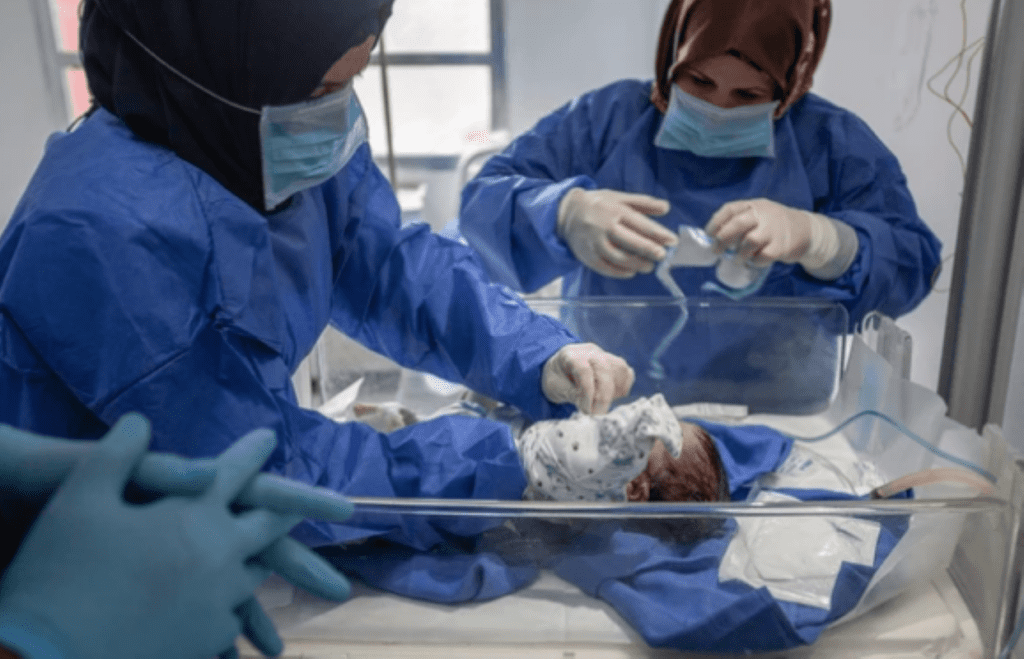
Researchers have discovered a potential “window” whereby babies born with inherited diseases may be treated with gene therapy sent directly into their circulatory systems. The window consists of circulating stem cells being especially vulnerable to treatment at a particular time.
Mice models have been successfully treated in the lab while in-human tests will be arranged in the near future. The lentiviral based gene therapy that has been demonstrated in tests using mice models prepares a route for treating various genetic blood disorders and circumvents the need for chemotherapy or stem cell transplantation.
A proof-of-concept study was published in the journal Nature which showed the high-trafficked stem cells created almost immediately after the birth of the mice models.
The Findings Extends to Humans
The researchers continued to observe the blood of the newborn, which suggests that their findings have the potential to be extended to babies within their early months of life, according to information provided by Professor Michela Milani of the San Raffaele Institute.
After birth, the newborns must transfer to their proper place in the bone marrow. When they begin to circulate in the body, they are more easily accessed for the purpose of genetic modification. There is no need for harvesting or external processing.
The Professor and her team found that the number of circulating HSPCs were significantly higher in the initial two-week period of their life than in older mice.
About HSCs
HSCs are cells that exist in bone marrow and can create any type of blood cell including white and red blood cells and platelets.
The team of researchers performed three tests using mouse models with genetic diseases such as:
- ADA–SCID – a combined deficiency that is caused by a lack of lymphocytes
- Osteopetrosis – a severe, inherited bone disease
- Fanconi anemia – a rare syndrome that involves DNA repair that is defective and impacts stem cells
In Fanconi anemia, modified stem cells repopulated the blood system preventing failure of bone marrow. This is the equivalent of the survival advantage over defective cells observed in the study of human gene therapy.
The researchers used clinically approved drugs that increased the number of circulating stem cells thereby enlarging the treatment window and forcing the stem cells out of their tissue environment. Therefore, the researchers support future studies to analyze the potential of in vivo hematopoietic stem cells beginning in early infancy.
The rationale is that bypassing critical barriers associated with HSC gene therapy will allow increased accessibility to life-altering treatment.