A recent study has unveiled a novel treatment that could significantly lessen brain damage following a stroke, offering hope for more effective therapies in the future. According to World Pharma News, when conducted in mice, the research demonstrates how timely intervention can protect brain tissue and potentially improve recovery outcomes for stroke patients.
The Urgent Challenge of Stroke
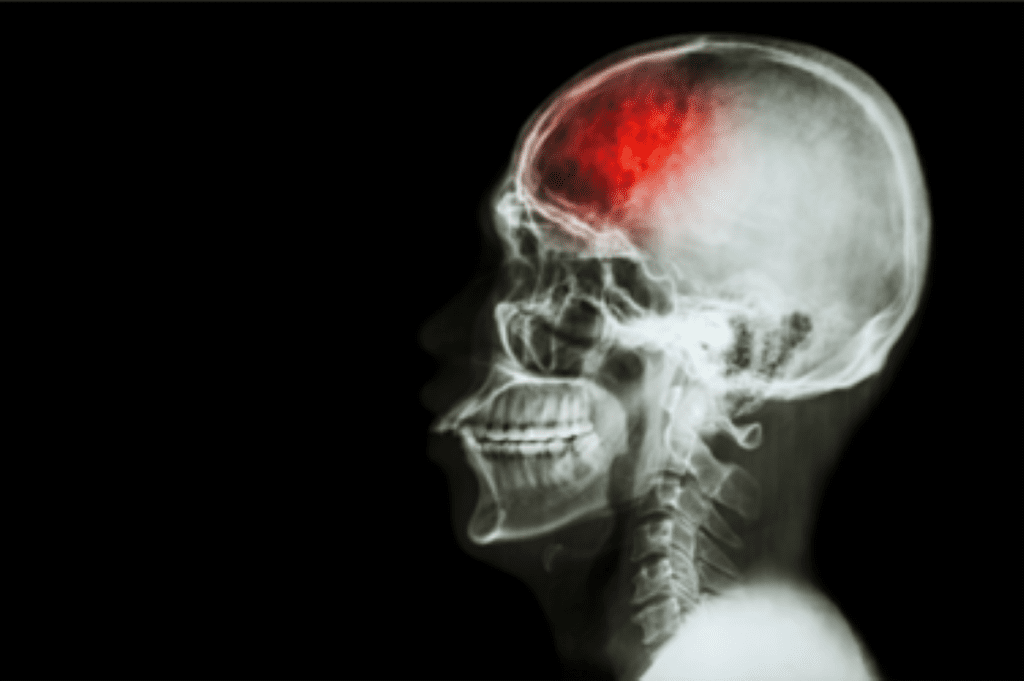
Stroke remains one of the leading causes of death and long-term disability worldwide. It occurs when the blood supply to part of the brain is interrupted, causing brain cells to die rapidly. Existing treatments, such as clot-busting drugs and mechanical clot removal, are time-sensitive and not always effective in preventing extensive brain damage. The search for innovative therapies that can minimize the effects of stroke is therefore a top priority in medical research.
Breakthrough Study and Treatment Approach
In this groundbreaking study, researchers focused on a new therapeutic strategy aimed at limiting the cascade of damage that occurs after a stroke. The team developed a compound that targets a specific molecular pathway responsible for cell death and inflammation in the brain following an ischemic event.
Using a mouse model of stroke, the scientists administered the experimental treatment shortly after inducing a stroke. The results were compelling: mice that received the compound showed significantly less brain damage compared to those that did not receive the treatment. The protected brain tissue translated into better neurological function and physical recovery in the treated animals.
How the Treatment Works
The new therapy works by inhibiting a key protein involved in the inflammatory and cell death processes that are triggered by a lack of blood flow. By blocking this protein’s activity soon after a stroke occurs, the compound helps preserve brain cells and reduces the secondary injury that often worsens patient outcomes.
Importantly, the treatment was effective even when administered after the stroke event, suggesting it could be practical in real-world clinical scenarios where immediate intervention is not always possible.
Implications for Human Health
While the findings are preliminary and based on animal models, they hold considerable promise for human stroke therapy. If further research confirms the compound’s effectiveness and safety in people, it could pave the way for a new class of treatments that extend the window for intervention and improve recovery prospects for millions of stroke sufferers globally.
Next Steps
The research team plans to advance their work by conducting further preclinical studies and eventually moving into human trials. These future studies will be critical in determining whether the impressive results seen in mice can be replicated in humans, and what the optimal timing and dosage of the treatment might be.