 I’ve spoken regularly with family members and friends about my sons and their diagnosis and about our real-world struggles. I’ve advocated for them at our local pediatrician’s office, educated our church family, the community around us, and those we randomly meet out in the world who exhibit a bit of curiosity. I’ve researched current best practices and learned about potential medications in the pipeline.
I’ve fundraised by training and running a 5K, then a half marathon, then a marathon. I’ve driven them to and from physical therapy three times each week for years now and sorted medications and supplements into each daily box. I’ve traveled to and from clinical trial appointments semi-regularly and managed moods and attitudes and OCD-like behaviors and angry outbursts as a nearly everyday occurrence.
I’ve also picked my son up from the ground when he has fallen, which is more and more these days.
None of these are anything extraordinary. I’m a mom. It’s what I do, right? These are the kinds of things we would all do for our kids. However, living with a rare disease, or rather, living with family members with a rare disease, isn’t typical. Our life will never again look entirely normal, and that’s OK with me.
Eleven and a half years ago, we found out about our son, Samuel. “Found out” is maybe an odd phrase, but it’s true, because he happens to be adopted. That’s when this progressive, terminal, muscle-wasting thing entered our house – Duchenne Muscular Dystrophy.
Our lives changed forever that day, and despite any and all of the hard stuff, it definitely was for the better. Two years later, when his little brother was born, we adopted him too. We are honored and blessed to raise these two little guys together.
They’re regular boys – they just happen to have a section of their dystrophin gene missing. So, over time, they’ll get weaker and weaker, and skills they’ve gained will be taken away from them. They’ll need more help to do everyday things.
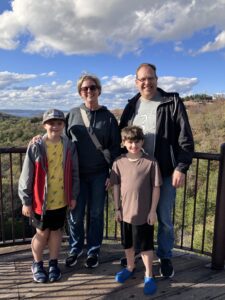
Right now, though? They’re 11 and 9 – kids who love LEGO® stuff and animals, video games and YouTube videos. We make plans, hope for mini-adventures, and just live life together with as much grace as we can muster.
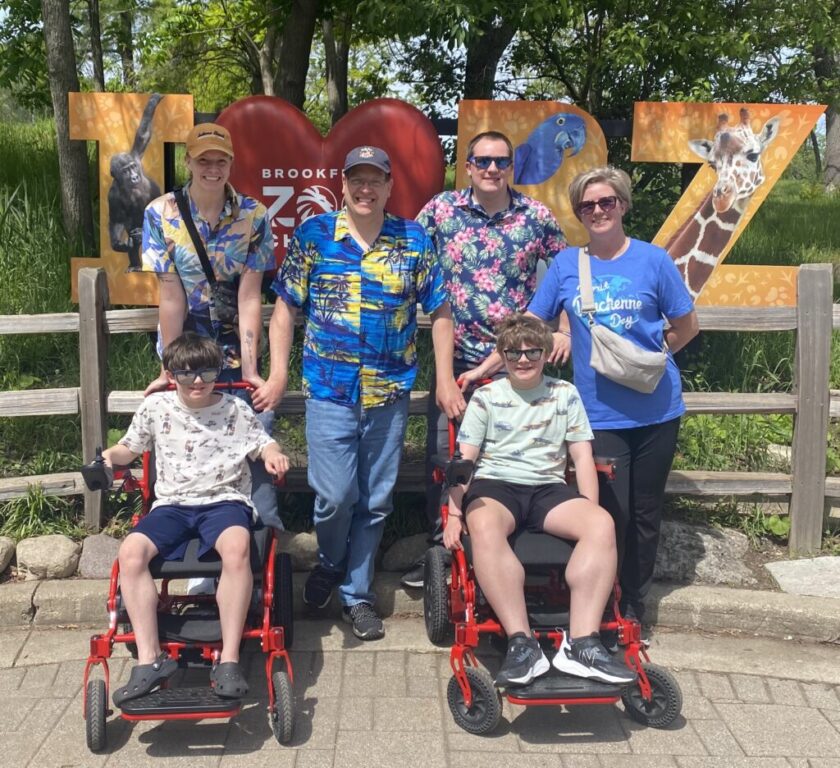
Yes, a rare disease diagnosis means more doctors appointments, special care for emergency situations, medications to order and organize, daily accommodations. In our case, it also means preparing for future changes in mobility needs – space in our home for wheelchairs to nagivate, an accessible bathroom, a ramp to the front door and in the garage, and a vehicle large enough to safely transport two power wheelchairs.
The future can seem scary and the needs will be immense, but at the same time, we don’t make a practice of worrying about that later reality. We do our best daily to live in the present, while being AWARE of what future needs will be. We prepare ourselves for eventualities, but leave the fretting to someone else. We’ve got life to live and want to simply do the best we can each and every day for our sons.
About the Author: Christena Estby is a mom to four amazing kids. Her two youngest sons happen to be living with Duchenne Muscular Dystrophy. Christena is a homeschooling mom, author, and part-time Communications Assistant. She’s been in this DMD world for over a decade now, and she has found that more important than the diagnosis are the connections and relationships built with other families affected by Duchenne and in the local community around her.