Editor’s Note: Patient Worthy is proud to share this caregiver story submitted to us by Missy Williams.
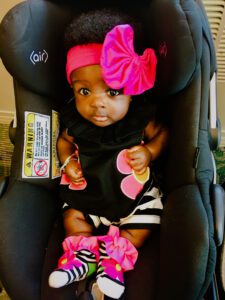 Nine years later, I can still picture the moment I received the news that my daughter has achondroplasia, the most common form of dwarfism. Eden was only 5 months old when the results of her skeletal survey and genetic testing confirmed the diagnosis. While it was a relief to her pediatrician, who had feared something worse, that 7:30 p.m. phone call shifted everything.
I felt like I’d suddenly been dropped into a world where I didn’t speak the language and was stepping into a community whose experiences were different from my own. Fear is a natural response in this situation, and there is nothing wrong with it. I found the more I learned about achondroplasia, its medical nuances, growth patterns and potential complications, and the more I connected with others, the more empowered and confident I felt. Understanding her diagnosis transformed me from a fearful mother into a prepared advocate who could envision a future full of promise for Eden.
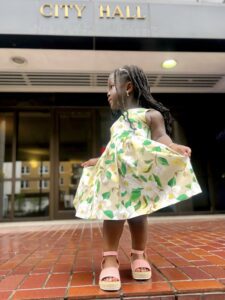 Fast-forward to today: after many nights of confusion and panic, balanced by even more moments of support and connection, Eden is thriving in ways I couldn’t have imagined during those early days. I’m sharing our story now for the parents who find themselves in that same place of fear and uncertainty following a diagnosis of a rare genetic condition and wondering how to take the next step.
Dwarfism Does Not Define My Daughter
One of my earliest fears was how the world might treat Eden, not who she would be. From the moment she arrived, I knew she carried something extraordinary within her.
Achondroplasia affects more than just height. Some people may also experience compression of the spinal cord, known as spinal stenosis, hydrocephalus, causing excess fluid on the brain, or sleep apnea.
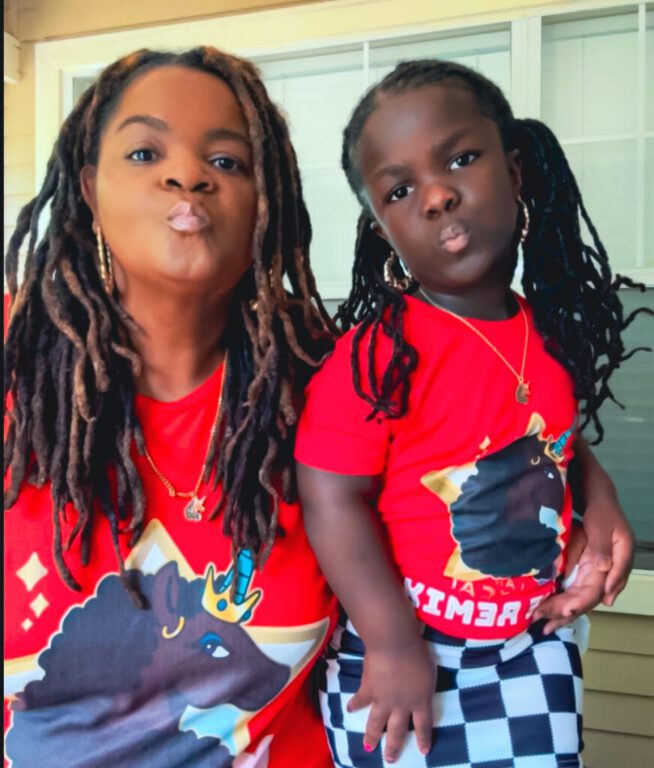
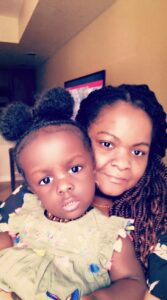 Due to potential speech and hearing complications, there’s a stubborn misconception that dwarfism is linked to intellectual disabilities. Eden disproves that every single day. While she has speech challenges, due to a small palate and an average-sized tongue, she is a fourth grader who reads at an eighth-grade level and is curious and wise beyond her years. Achondroplasia is just one of the things that makes my daughter unique; it is not who she is.
How We Found Our Footing
Following Eden’s diagnosis, our family spent a lot of time in doctors’ offices. I found doing these things helped make the experience more manageable:
- Keeping a journal of milestones, challenges and questions. Patterns become clearer when they’re written down.
- Asking detailed questions at every appointment — about mobility, growth, sleep, ear infections, surgeries, you name it.
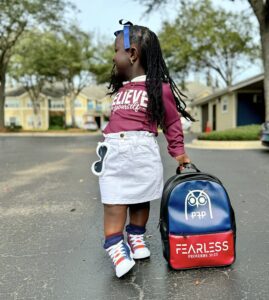 If I could offer one piece of advice to families facing a diagnosis of a rare condition, it would be this: find the people who understand your journey.
Eden and I recently had the opportunity to attend Camp Ellellbee, and it was like stepping into a world created exactly for families like ours.
One of the most meaningful parts for me was watching Eden meet other kids with dwarfism. She got to be herself, surrounded by peers who understand her journey. I also had honest and vulnerable conversations with other parents and caregivers who have lived similar moments of fear and hope, reminding me we weren’t navigating this alone. Seeing families and adults in the community living full, joyful lives gave me a sense of reassurance and hope for Eden’s future.
 Camp Ellellbee is just one example of how sharing Eden’s story helped us find community, connection and offer support to others. But advocacy isn’t one-size-fits-all, and each family’s experience is unique. For some, just getting an accurate diagnosis or finding the right specialists can be a challenge. You can use your voice online or in support groups, by working closely with clinicians, or simply by being open with others about your child’s experiences. What matters is finding a way that feels true to you and your family.
If you’d like to follow more of our journey, you can find us on Instagram. You can also explore helpful resources through organizations like Little Legs Big Hearts Foundation.
Wherever you are in your journey, know this: you are not alone, and your child’s story, like Eden’s, can be filled with joy, strength and limitless promise.