
As reported on PM Live, a new clinical trial hub focused on epidermolysis bullosa (EB) has been established at University Medical Center Groningen (UMCG) in the Netherlands through a collaboration with DEBRA Research, marking an important step forward in research into this rare and debilitating group of genetic skin disorders.
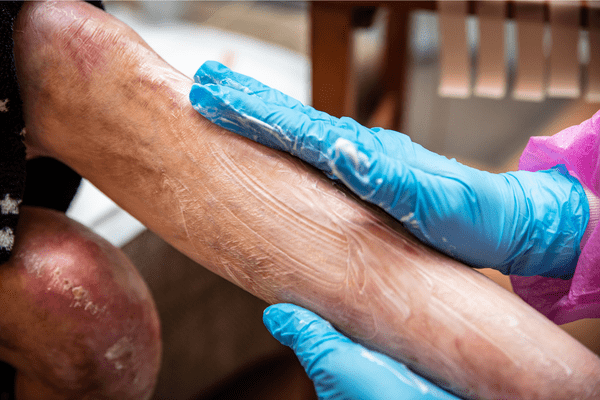
EB encompasses several inherited conditions characterized by extreme skin fragility, resulting in recurrent blistering, open wounds, and chronic pain. Because of its rarity and complexity, progress in treatment development has historically been limited by fragmented research efforts and small patient populations.
UMCG is widely recognized for its expertise in EB care through its Center of Expertise for Blistering Diseases. The creation of a dedicated trial site is intended to build on this foundation by centralizing clinical research activities, improving study coordination, and enabling more efficient recruitment of patients for EB trials.
Specialized trial centers offer distinct advantages, including streamlined study processes and a more patient-focused research environment. By concentrating clinical expertise and infrastructure in one location, the new Groningen site is expected to support both industry-sponsored studies and investigator-led research initiatives.
Dr Marieke C. Bolling, who leads the EB division within the Center of Expertise for Blistering Diseases, has been named principal investigator for the new trial site. She emphasized that the initiative will not only strengthen care and research locally but also contribute to international collaboration, helping translate scientific insights into effective therapies more quickly for patients worldwide.
The site will also connect with broader global efforts, including the EB Clinical Trial Network and the forthcoming EB Registry. In parallel, DEBRA Research has announced its support for the Core Outcome Sets for Epidermolysis Bullosa (COSEB) project, led by UMCG, which aims to standardize how outcomes are measured in EB studies.
Together, these developments are expected to significantly enhance the global research landscape for EB and lay stronger foundations for future therapeutic advances.