
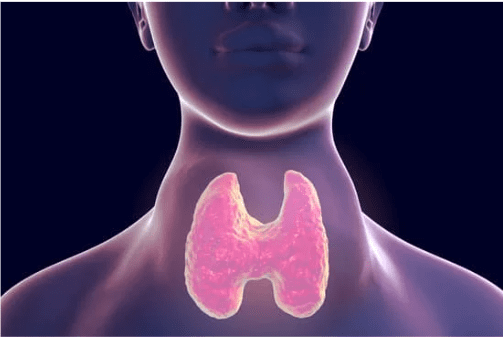
Editor’s Note: Patient Worthy is pleased to share part 5 of 10 in an ongoing series of blog posts, provided to us by Elena Genik.
The Disconnect Between Numbers and Reality
One of the most challenging parts of navigating Graves disease is the mismatch between what you feel and what your labs say. There were many times when I felt exhausted, cold, foggy, bloated, and depressed, yet my doctor insisted everything was normal simply because the numbers were technically within the reference range.
But reference ranges are based on population averages, not individual physiology. What is normal for the population is not always optimal for you.
The Pain of Hearing “Everything Looks Fine”
The phrase “your labs are normal” can feel like a dismissal when your body is clearly asking for help. It made me doubt myself. It made me wonder whether I was overreacting or imagining things. It made me feel like my symptoms were personal failings rather than biological signals.
The reality is that symptoms tell us more than numbers sometimes. Thyroid hormones shift constantly, and your body often feels changes long before labs reflect them.
What Doctors Often Overlook
Most clinicians focus primarily on TSH. TSH is important, but it is not the thyroid hormone that tells you how your tissues are functioning. Free T3 and Free T4 matter too. Patterns matter. Symptoms matter. Inflammation matters. Antibodies matter.
Your body is not a spreadsheet.
You cannot reduce healing to one number.
When “In Range” Is Not the Same as Well
There were times when my TSH was low but my Free T3 and T4 were on the lower end of normal. I experienced intense hypothyroid symptoms. My digestion slowed down. My mood shifted. My temperature regulation became unpredictable. My doctor told me to stay on the same medication dose because the labs were technically normal.
But what is normal for the lab is not necessarily normal for the person. This is why so many thyroid patients feel dismissed repeatedly.
Why Patients Must Be Seen as Individuals
Every person has an optimal place within the range. Some thrive with Free T3 in the high end of normal. Others feel best in the middle. Some are deeply symptomatic even with labs that look fine.
There is no universal template for thyroid health.
Lab ranges describe a population. They do not describe you.
When I Started Trusting My Symptoms
Once I recognized that my symptoms were meaningful data, everything shifted. I stopped waiting for lab numbers to validate my experience. I learned to track trends, patterns, and sensations. I learned how stress, sleep, diet, inflammation, gut health, and hormones all influence thyroid function.
I learned that healing does not happen by ignoring your own intuition.
What Patients Deserve in Thyroid Care
You deserve:
- comprehensive testing
- interpretation that includes your lived experience
- acknowledgement that symptoms matter
- collaboration, not dismissal
- providers who look beyond TSH
You deserve care that sees you as a whole person.
For Anyone Who Has Heard “Everything Looks Normal”
Your symptoms are real.
Your instincts are valid.
Your body is not lying to you.
Finding the right provider can change everything. Healing begins with being believed.
Author Bio: My name is Elena and I am a Graves Disease and Thyroid Eye Disease patient advocate, integrative pharmacist, and functional health coach specializing in autoimmune thyroid conditions. It is my passion to help people reclaim control of their health. I founded Thyroid Love Club, where I host free monthly workshops at thyroidloveclub.com

-300x199.jpg)


