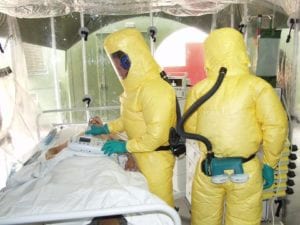
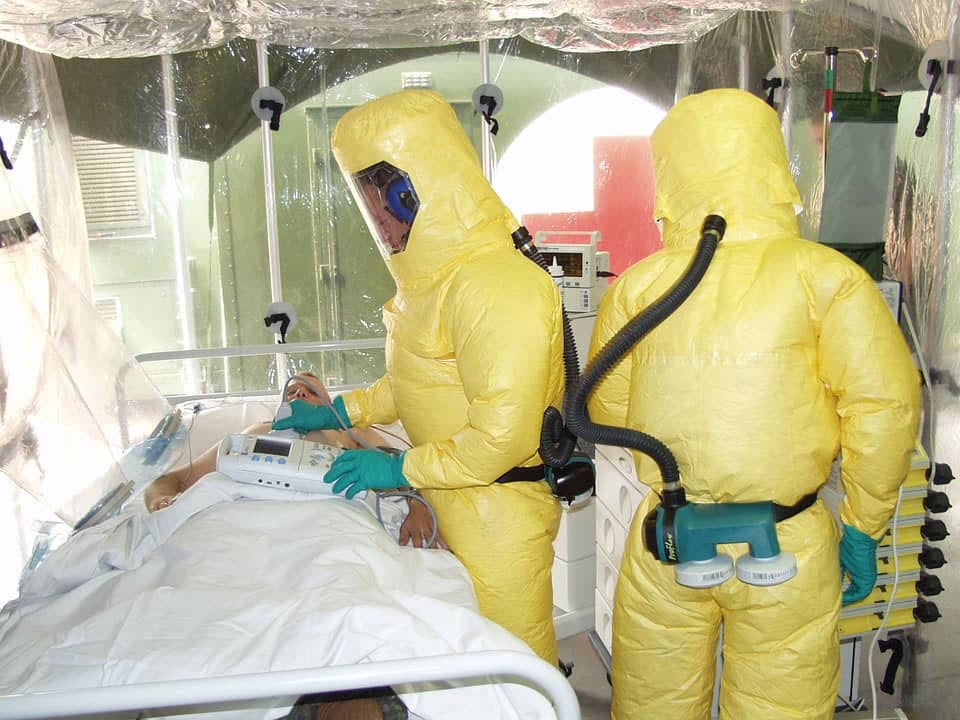
Formally known as Ebola hemorrhagic fever, Ebola is often fatal in humans. The disease is transmitted through contact made with body fluids or blood of from a person who died from Ebola. It is also transmitted through the use of contaminated objects such as infected animals, needles or bush meat.
On May 17, 2026, the World Health Organization announced an Ebola epidemic in the Congo. Over 300 cases were reported, as well as 88 deaths. That number has increased this week to approximately 700 cases. WHO said that a confirmed case, now in isolation, was reported in Lturi indicating a wider spread. The referenced case of Ebola was announced in Goma, a major city in east Congo.
Currently no licensed vaccines exist to preclude the Ebola virus. However, the NIAID developed several candidates that are now licensed to Merck. These licensed treatments have been circulated to individuals in the Congo who are at risk and had been previously tested in West Africa clinical trials. A strain of Ebola called Bundibugyo does not have a vaccine. However, work will continue in this and other promising candidates.
By way of explanation, the Ebola outbreak is challenging due to a densely populated area plus high trade volume. WHO is increasing support to Uganda and Congo. among other cross border issues of preparedness.
Community engagement is key. When communities become engaged, outbreaks such as Ebola can be brought under control.

-300x300.jpg)