
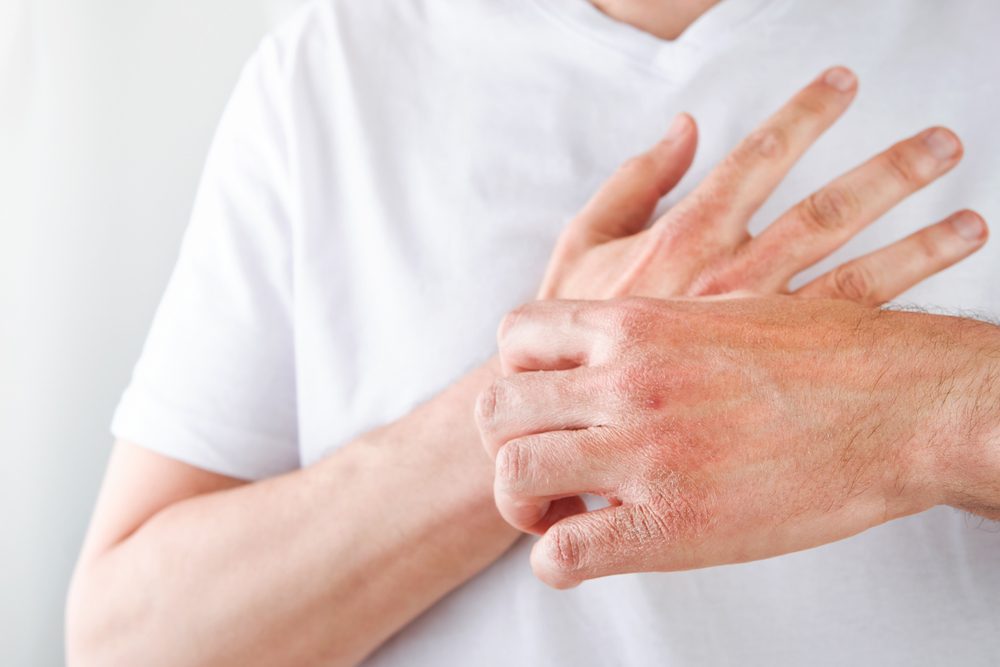
As reported of The Manila Times, Health Canada has granted priority review to Chiesi Global Rare Diseases’ new drug submission for FILSUVEZ® (birch triterpenes) topical gel, proposed for treating wounds associated with dystrophic and junctional epidermolysis bullosa (EB) in patients aged 6 months and older.
The accelerated pathway shortens the anticipated review period to roughly 180 days, compared with the standard target of approximately 300 days. Priority review is reserved for products addressing serious or life-threatening conditions when treatment options are limited or when a potential therapy may provide a meaningful benefit over current care.
If authorized, FILSUVEZ would be the first treatment specifically approved in Canada for wounds related to dystrophic and junctional EB. The product is not currently authorized for sale in Canada. It has previously received approvals for this use in the European Union and the United States, and was added to Australia’s therapeutic goods register in May 2026.
A high-burden inherited skin disorder
EB encompasses rare genetic conditions that make skin exceptionally vulnerable to injury. Minor contact or friction can lead to painful blistering, persistent open wounds, infection, scarring, and substantial care needs. More severe junctional and dystrophic forms may also involve the mouth, eyes, gastrointestinal tract, and other organs.
Patients can experience long-term pain, itching, nutritional complications, restricted mobility, and—in some severe forms—a heightened risk of aggressive squamous cell carcinoma. Daily wound care can be intensive for both patients and caregivers.
Evidence behind the submission
Chiesi’s application is supported by the Phase 3 EASE study, a double-blind, randomized trial comparing Oleogel-S10—also known as birch triterpenes and marketed as FILSUVEZ—with a vehicle gel in patients with dystrophic or junctional EB.
Study treatment was applied during wound dressing changes over three months. Investigators selected a target wound measuring 10 to 50 cm² at enrollment, with the primary endpoint being complete initial closure of that wound by day 45.
Complete closure by day 45 occurred in 41.3% of participants receiving birch triterpenes, versus 28.9% of those receiving vehicle gel. Reported adverse events were generally mild to moderate and occurred at broadly similar rates in the two treatment groups. Wound complications were the most frequently reported treatment-related event, occurring in 13.8% of the FILSUVEZ group and 14.9% of the vehicle group.
Following the blinded portion of the trial, participants entered a 24-month open-label follow-up period in which all received Oleogel-S10.
Health Canada’s decision to accept the submission for priority review does not establish the product’s safety, efficacy, or eventual approval in Canada. The agency’s assessment remains ongoing.