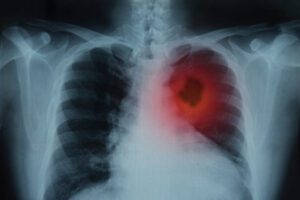
As reported on BioSpace, AstraZeneca has discontinued a pivotal Phase 3 trial evaluating its investigational bispecific antibody volrustomig in advanced non-small cell lung cancer (NSCLC) after an interim analysis indicated the study was unlikely to meet its primary objectives.
The eVOLVE-Lung02 trial was assessing volrustomig in combination with chemotherapy as a first-line treatment for patients with metastatic NSCLC whose tumors express PD-L1 at levels below 50%. The experimental regimen was being compared with the current standard approach of pembrolizumab (Keytruda) plus chemotherapy.
According to AstraZeneca, a planned review conducted during the study found that the trial was not expected to achieve its co-primary endpoints of progression-free survival and overall survival. Based on these findings, an independent monitoring committee recommended ending the study. The company did not disclose detailed efficacy data from the analysis.
Susan Galbraith, Executive Vice President of Oncology Hematology R&D at AstraZeneca, acknowledged the setback, stating that the company was disappointed by the outcome but intends to apply lessons learned from the program.
Despite the lung cancer disappointment, AstraZeneca said development of volrustomig will continue in other late-stage studies. Ongoing Phase 3 investigations include trials in mesothelioma, cervical cancer, and head and neck squamous cell carcinoma.
Latest in a Series of Clinical Challenges
The termination of eVOLVE-Lung02 adds to a growing list of recent development-stage setbacks for AstraZeneca.
In July, the company reported that Wainua (eplontersen), developed in partnership with Ionis Pharmaceuticals, did not demonstrate a statistically significant cardiovascular benefit in a Phase 3 study involving patients with transthyretin amyloidosis with cardiomyopathy (ATTR-CM). The result raised broader questions about the therapeutic potential of transthyretin-silencing approaches in this indication and shifted attention toward stabilizer therapies designed to prevent transthyretin protein misfolding.
The same month, AstraZeneca disclosed another Phase 3 disappointment involving Ultomiris (ravulizumab). In the ALXN1210-TMA-313 trial, the therapy failed to achieve statistically significant event-free survival in patients aged 12 years and older who developed thrombotic microangiopathy following hematopoietic stem cell transplantation.
Further challenges emerged in oncology. During its second-quarter earnings update, the company revealed that sonesitatug vedotin, an antibody-drug conjugate under investigation for advanced or metastatic gastric and gastroesophageal junction adenocarcinoma, did not significantly improve progression-free survival in the overall patient population of the Phase 3 CLARITY-Gastric01 study. However, the treatment did show an overall survival benefit, suggesting mixed results for the program.
Mixed Reception for Obesity Candidate
Even some of AstraZeneca’s more positive clinical announcements have been met with tempered enthusiasm from investors and analysts.
Earlier this year, the company’s oral GLP-1 receptor agonist elecoglipron demonstrated nearly 10% weight loss after 25 weeks of treatment compared with placebo, with placebo-adjusted weight reduction reaching 11.5% at 36 weeks. While analysts described the efficacy profile as encouraging, some noted that competing investigational obesity therapies have generated stronger weight-loss results in clinical testing, potentially limiting the market impact of AstraZeneca’s candidate.
Looking Ahead
Although the failure of eVOLVE-Lung02 represents another obstacle for AstraZeneca’s oncology pipeline, the company remains committed to advancing volrustomig in multiple cancer indications. Upcoming data from ongoing Phase 3 studies will likely determine whether the bispecific antibody can still secure a role in the company’s long-term oncology strategy despite its setback in first-line metastatic NSCLC.