Editor’s Note: Patient Worthy is honored to share this story, submitted to us by Richard Poulin III.
Late one night, a seemingly ordinary Facebook post changed the course of our daughter’s life.
Before that moment, my wife, Judy, and I had spent months searching for an explanation for what was happening to Rylae-Ann. She struggled to hold up her head, control her movements, feed, and sleep. Her eyes would suddenly roll upward during frightening episodes we later learned were oculogyric crises. We visited specialists, endured hospital admissions, and watched her undergo blood tests, brain scans, spinal taps, and other procedures. Still, the results were normal, inconclusive, or pointed us in the wrong direction.
Rylae-Ann was initially treated for epilepsy, but the medication did not help. We knew something was wrong, yet we could not name it. That uncertainty was one of the most painful parts of our journey. Without a diagnosis, there was no treatment plan and no clear path forward.
Then Judy’s brother shared a Facebook post about a child whose symptoms looked remarkably similar to Rylae-Ann’s. We began researching immediately. As I read medical papers late into the night, the pieces finally seemed to fit. I believed we had found the answer to our mystery.
We booked a flight from Singapore to Taiwan to meet with a medical team involved in the research. There, Rylae-Ann was diagnosed with aromatic L-amino acid decarboxylase deficiency, known in our community as AADC deficiency. This ultra-rare genetic disorder affects the brain’s ability to produce neurotransmitters such as dopamine and serotonin.
The diagnosis devastated us, but it also brought relief. After months of uncertainty, we finally had direction.
We soon learned about an experimental gene therapy clinical trial. There were risks and no guarantees, but without an effective treatment, Rylae-Ann might never sit, walk, or speak independently. At 18 months old, she received gene therapy in Taiwan.
What followed was not an overnight miracle. It was a gradual reawakening.
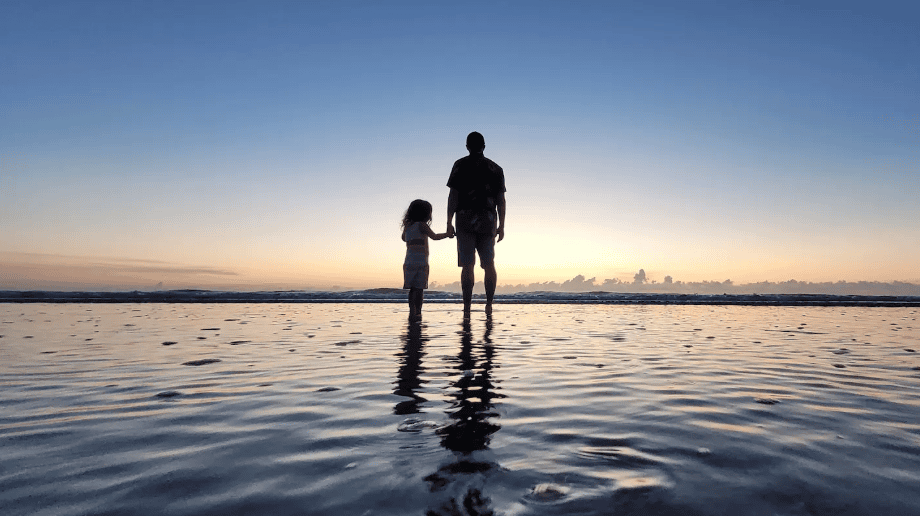
One month after treatment, Rylae-Ann sat independently. This was a huge milestone that was once unimaginable. Later, she learned to crawl, stand, walk, run, swim, and speak conversationally. Each milestone represented something we had once feared might never be possible. Today, she attends school, reads above grade level, enjoys PE, and continues working hard to overcome challenges with writing, coordination, anxiety, and emotional regulation.
Our journey did not end with treatment. Gene therapy gave Rylae-Ann an extraordinary opportunity, but she still needed years of therapy, education, encouragement, and patient support. Treatment opened a door and helping her to walk through it became our continuing responsibility.
That realization inspired us to establish Teach RARE. Through our nonprofit, we provide free educational resources and practical strategies for families affected by rare diseases, undiagnosed conditions, and disabilities. We want caregivers to understand that learning can happen during therapy, play, daily routines, and even the most difficult seasons of life.
I also wrote REAWAKEN: Finding Hope, Purpose, and Joy Through Life’s Unexpected Journey to share the parts of our story that medical records cannot capture: the fear, disagreement, exhaustion, faith, love, and hope behind every decision.
Obviously, not every family will find an answer through a Facebook post, and not every diagnosis will lead to an available treatment. However, every family deserves to be heard, supported, and connected to trustworthy information.
In the rare disease community, one shared story can become another family’s first clue. One connection can create direction. One person choosing to speak may become the reason someone else no longer feels alone.