A Rare Disease Gets Its First FDA-Approved Medicine—And It Works Differently Than Anything Available Before
Imagine your immune system getting the signals completely wrong. Instead of protecting you from infection, it starts attacking your own red blood cells, destroying them faster than your body can replace them. This is what happens in warm autoimmune hemolytic anemia (wAIHA), a rare but serious blood disorder that the FDA has just approved its first-ever specific treatment for. Understanding this disease, and why the new drug matters, requires some knowledge of how our immune systems work and what goes wrong in autoimmune disease.
The Disease: When Immunity Becomes the Enemy
Warm autoimmune hemolytic anemia is a rare condition affecting approximately 1 to 3 new people per 100,000 each year, with roughly 1 in 8,000 people currently living with the disease. Despite its rarity, it’s genuinely life-threatening.
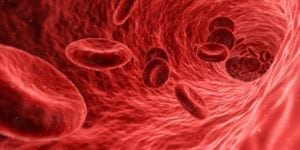
Here’s what happens at the cellular level: Your red blood cells have a job—they carry oxygen throughout your body. Normally, your immune system recognizes these cells as “self” and leaves them alone. But in wAIHA, something goes wrong. Your immune system produces autoantibodies—essentially, antibodies that attack your own cells. Specifically, these immunoglobulin G (IgG) autoantibodies attach to your red blood cells and mark them for destruction. Your body’s cleanup system then destroys these marked cells, leading to severe anemia.
The consequences are profound. With fewer red blood cells to carry oxygen, patients experience “profound fatigue”—a symptom that may sound simple but is actually debilitating. Patients describe living with “relentless fatigue and the constant uncertainty of not knowing what tomorrow will bring,” according to Karen Jones, President and Executive Director of wAIHA Warriors. The condition also increases the risk of serious complications including blood clots, acute kidney failure, and infection.
Importantly, wAIHA can affect people of any age, though incidence increases significantly after age 50. It affects both men and women.
The Old Treatment Problem: A Sledgehammer When You Need a Scalpel
Before now, doctors had limited options. Treatment relied on corticosteroids and immunosuppressants—medications that essentially suppress your entire immune system without specifically targeting the autoantibodies causing the problem. Think of it like using a sledgehammer when you need a scalpel. Yes, these drugs might reduce the autoimmune attack, but they do so by weakening your entire immune response, leaving patients vulnerable to infections and other complications.
Many patients also develop resistance to these treatments or cannot tolerate their side effects. For these patients, wAIHA remained essentially untreatable.
The Breakthrough: IMAAVY and a New Approach
On August 24, 2026, the FDA approved IMAAVY® (nipocalimab-aahu)—the first treatment specifically designed for wAIHA. This drug represents a fundamentally different approach to the problem.
Rather than broadly suppressing immunity, IMAAVY is what’s called an “immunoselective FcRn blocker.” That technical name describes an elegant mechanism: IMAAVY targets the neonatal Fc receptor (FcRn)—a protein involved in how long antibodies survive in the bloodstream. By blocking FcRn, IMAAVY reduces circulating IgG autoantibodies while preserving B-cell function. In other words, it selectively reduces the disease-driving antibodies while keeping other aspects of immune function intact.
This specificity matters enormously. Rather than leaving patients immunosuppressed and vulnerable, IMAAVY targets the specific problem: the pathogenic autoantibodies attacking red blood cells.
The Evidence: Clinical Trial Results That Justified Approval
The FDA approval was based on the Phase 2/3 ENERGY trial, a randomized, placebo-controlled study of 115 adults with wAIHA. The results were compelling: approximately three times as many patients receiving the approved dose of IMAAVY achieved what researchers call “durable hemoglobin response”—meaning their red blood cell levels increased and stayed elevated—compared to placebo by 24 weeks.
More specifically, patients treated with IMAAVY showed “a mean increase in hemoglobin of 1 g/dL at Week 1,” with median time to first response of about 4 weeks. Beyond laboratory numbers, patients experienced real clinical benefit: IMAAVY treatment was associated with a 3.5-point improvement in fatigue scores compared to placebo at week 24. For patients living with debilitating exhaustion, this improvement in energy and quality of life is genuinely meaningful.
The safety profile was manageable. The most common side effects were peripheral edema (swelling in the limbs), diarrhea, and fever—generally manageable compared to the disease burden itself.
Why This Approval Matters
“For the first time, our community has a treatment specifically for our disease,” according to the wAIHA Warriors organization. This statement captures the emotional weight of this approval. For years, wAIHA patients have faced a disease that medicine could only partially address. Now they have a therapy designed specifically for their condition.
Equally important is what this represents scientifically. IMAAVY is not a completely new drug—it was already approved in 2025 for generalized myasthenia gravis (gMG), another autoantibody-driven disease. This wAIHA approval represents the second indication for this drug, suggesting that targeting FcRn represents a powerful approach to multiple autoantibody diseases.
Looking Forward
The approval applies to adults and pediatric patients 12 years and older who have been treated or previously treated with corticosteroids. Johnson & Johnson has established a patient support program called “IMAAVY withMe” to help patients access the medication and manage its use.
For the approximately 10,000 people in the United States living with wAIHA, this FDA approval represents a watershed moment—the end of an era without specific treatment options and the beginning of one where a targeted, effective therapy is available. For a rare disease community that has waited far too long for answers, that’s genuinely something to celebrate.