As reported on Inside Precision Medicine, a new, non-invasive test may help doctors detect oral cancer quickly and reduce the need for painful scalpel biopsies.
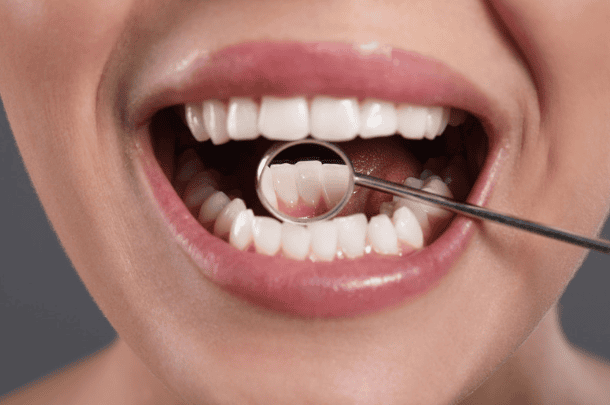
In a large study involving 1,090 samples from 545 patients, the test identified oral cancer in less than an hour. Instead of cutting out a piece of tissue, doctors use a small brush to collect cells from inside the mouth. The test examines these cells for signs of cancer.
Researchers hope the test could prevent more than 90% of unnecessary scalpel biopsies. Traditional biopsies can be painful and may sometimes damage nearby teeth, bones, or other tissue.
“We were genuinely astonished” that the brush test worked as well as a much more invasive biopsy, said lead researcher Muy-Teck Teh, a professor of molecular oral oncology at Queen Mary University of London. He explained that the test looks for signals from four genes linked to cancer. These signals were strong enough to be found in the surface cells collected by the brush.
The study was carried out by researchers from universities and medical institutions in the United Kingdom and India. Their findings were published in the journal Biomarker Research.
Oral cancer is becoming more common around the world. Risk factors include smoking and other tobacco use, drinking alcohol, infection with human papillomavirus (HPV), and excessive exposure to sunlight. HPV, especially HPV-16, is believed to cause many cases of oral cancer. Although HPV vaccination has helped protect girls and women from HPV-related cervical cancer, fewer boys have received the vaccine.
Early diagnosis is important because patients have a better chance of surviving when cancer is found early. However, more than half of mouth cancers are diagnosed at stage IV, the most advanced stage.
Doctors often use scalpel biopsies to examine suspicious growths. During this procedure, they remove a piece of tissue and send it to a laboratory. This can be especially painful when the growth is on the tongue, which is one of the most common locations for oral cancer. However, many suspicious mouth growths are not cancerous. As a result, patients may go through an invasive procedure even when the growth is harmless.
The new test, called qMIDS-V3, was developed from an earlier test that used tiny tissue samples. In the study, patients had cells collected from both a suspicious area and a healthy area on the opposite side of the mouth. The researchers included patients with oral squamous cell carcinoma, oral leukoplakia, and oral lichen planus. Leukoplakia and lichen planus can cause mouth changes but are not always cancerous.
The test measured activity in four genes: INHBA, S100A16, YAP1, and POLR2A. A computer program then combined the results to calculate how likely it was that the cells came from a cancerous growth.
The test correctly identified most cancer cases and correctly ruled out most non-cancerous conditions. It had an overall accuracy of about 95.5%. Its sensitivity was 95.7%, meaning it detected nearly 96 out of every 100 cancer cases. Its specificity was 95.1%, meaning it correctly recognized nearly 95 out of every 100 non-cancerous cases.
Because the test is quick and does not require cutting tissue, doctors could use it to decide which patients need further testing. It could also be repeated over time.
“This means doctors can monitor patients with persistent potentially precancerous lesions more regularly,” Teh said. Regular monitoring could help doctors find cancers earlier than they can with current methods alone.
The test may also help reduce unnecessary referrals and procedures. In the United Kingdom, referrals for urgent oral-cancer examinations have increased sharply, while the percentage of patients actually found to have cancer has fallen. Later reviews found that more than 92% of referred patients did not have cancer, and most remained cancer-free five years later.
The researchers say the new brush test could give dentists and doctors a faster, safer way to assess suspicious mouth lesions. However, patients with concerning symptoms would still need professional medical evaluation and may still require a traditional biopsy.