When I was seven, my parents were trying to understand why I was becoming ill. I spent time in hospitals and underwent painful muscle biopsies. Doctors knew I had a form of muscular dystrophy, but for years, we did not know which one. My parents had questions no one could fully answer, including what my future might look like.
In 2006, genetic testing finally gave me a specific diagnosis: LGMD2I, now known as LGMDR9, a form of limb-girdle muscular dystrophy. Having a name for my condition mattered. I kept thinking about the years my family had spent searching for answers, and about how other people with LGMD who were still facing those questions alone.
 Soon afterward, I entered a national Pantene competition. I didn’t have plans to start a nonprofit, but I kept thinking about the years my family had spent looking for answers and about other people with LGMD who were facing those questions alone. People with different forms of the disease had few opportunities to find one another, share what they knew or organize around what they needed. So when I won the Pantene competition, I used the $5000 prize to begin The Speak Foundation in 2008.
It started as a way to help connect people and find the information I wished I’d had while growing up. That purpose remains, but we’ve evolved over the years. We’ve added more patients living with LGMD to our staff. Being patient-led means patients living with LGMD are helping identify problems and build solutions. We bring knowledge gained from living with a progressive disease, alongside the professional and technical skills needed to work with clinicians, researchers and policymakers.
Our LGMD Centers of Excellence grew from a problem our community knows well. Without access to specialized care, a person may have to find a neurologist, cardiologist and pulmonologist separately, then explain their disease to each new provider. The Centers are designed with patients to make expert, coordinated care easier to find. My hope is to bring that care closer to more families, so a person’s ZIP code does not determine how much they must navigate alone. Our centers are the best in the nation for patients living with all forms LGMD to receive care.
I want to change how research asks people to participate, too. I recently met a mother whose young daughter with LGMD has taken part in five natural-history studies. Those visits have taken her daughter out of school and her mother away from work. Their willingness to contribute is extraordinary. It should make researchers ask how each study uses what patients have already given and whether another visit or sample is truly needed.
Patients can also help design studies that fit real lives. We can explain when climbing stairs became difficult, what it means to lose the ability to rise from the floor, or which changes in daily function matter most. That perspective belongs in conversations about study visits, eligibility and what researchers choose to measure, while there is still time to shape those decisions.
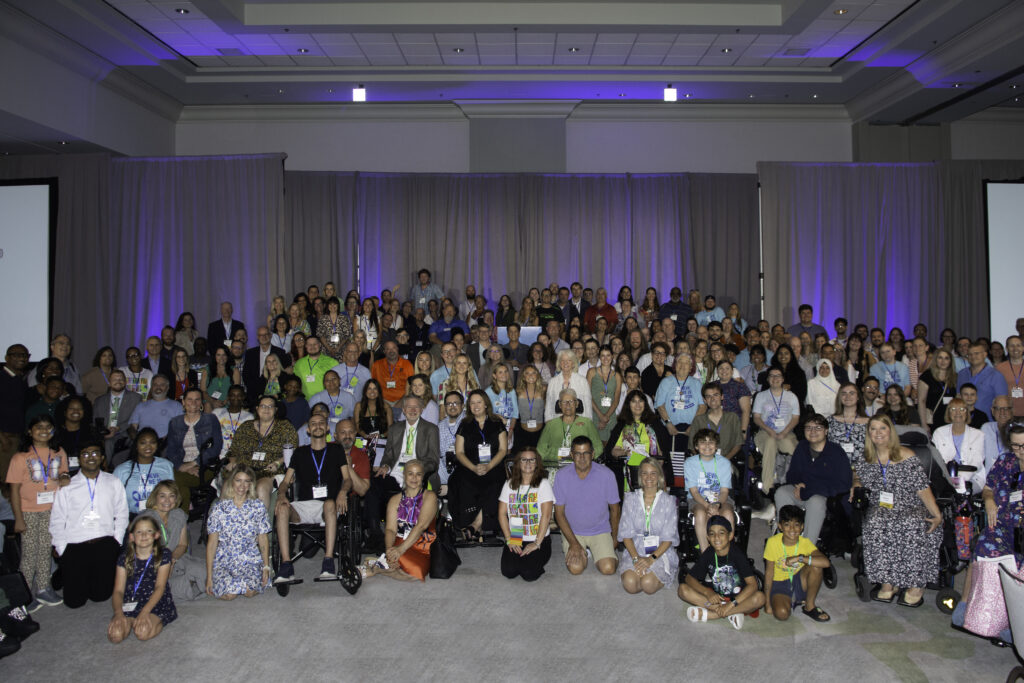
I hope The Speak Foundation endures beyond me. Its strength should come from the many people with muscular dystrophy who lead, work, share their expertise and make room for the next person to do the same. We are so grateful to our community of LGMD organizations who are also working hard to find treatments for individuals who live with this rare disease. These organizations are often started by families who live with the disease and are raising money to fund the next wave of research. It is a community truly of shared vision, hope, and passion for a rare disease that is often overlooked.
We are now facing a new wave of potential treatments. We may see the first approved treatment for a subtype of LGMD this year. For families and individuals, this is the hope made real; the vision made reality. We are not stopping until every age, stage, and subtype has a treatment.
When I was a child, my family could not readily find the answers we needed. I want the next family to find knowledgeable care and a community that understands what they are facing. And I want them to know that their experience gives them something valuable to contribute to what comes next.
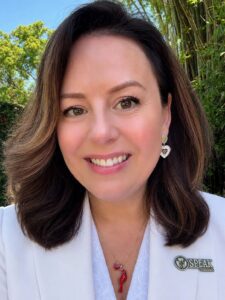 About The Speak Foundation
Founded in 2008, Speak Foundation is a patient-led nonprofit advancing care, advocacy and innovation for people living with limb-girdle muscular dystrophy (LGMD) and other neuromuscular rare diseases. Learn more at www.TheSpeakFoundation.com.