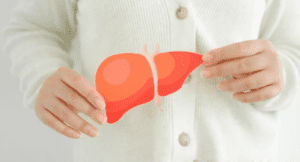

Many people spend very little time contemplating their liver, often ignoring this critical organ until a major medical issue arises. In contrast, health culture in countries like France has long emphasized hepatic function and digestion as foundational to overall well-being. Modern scientific evidence suggests that adopting greater mindfulness regarding liver health is a prudent strategy for everyone.
Recent clinical research discussed in the People’s Pharmacy highlights that dietary habits—specifically late-evening snacking, sugary beverages, coffee intake, and herbal supplements—exert a profound influence on long-term liver function.
Late-Night Snacking Linked to Fatty Liver Disease and Cirrhosis
A study published in Clinical Gastroenterology and Hepatology (Oct. 9, 2026) evaluated long-term data from nearly 200,000 participants in the Nurses’ Health Study and the Health Professionals’ Follow-up Study. Researchers tracked individuals who consumed food after dinner and found that late-night snacking was associated with a 20% to 30% increase in the risk of developing liver problems compared to non-snackers.
The Rise of MASLD, NAFLD, MASH, Fatty Liver Disease
Globally, fatty liver disease has reached epidemic proportions, affecting nearly one-third of the American population. While historically referred to as nonalcoholic fatty liver disease (NAFLD), experts have transitioned to a updated medical terminology: Metabolic Dysfunction-Associated Steatotic Liver Disease (MASLD).
MASLD occurs when fat accumulates inside liver cells, frequently accompanied by abdominal adiposity, insulin resistance, and type 2 diabetes. Left unchecked, progressive scarring (fibrosis) can lead to cirrhosis, cardiovascular disease, and liver failure.
As the study authors note:
“Our findings add to the growing body of literature linking late-evening eating patterns to adverse metabolic and liver outcomes… This relationship is biologically plausible; higher evening caloric intake may lead to obesity and metabolic derangement via decreased insulin sensitivity and lower energy utilization at night.”
They emphasize that late-evening eating is tied directly to incident cirrhosis and MASLD, making practical, behavioral adjustments essential for disease prevention.
Understanding Liver Location and Function
Positioned on the right side of the abdomen beneath the diaphragm and above the stomach, the liver performs over 500 vital roles to keep the body functioning smoothly.
KEY FUNCTIONS OF THE LIVER
1. Digestion & Fat Processing – Produces bile to digest fats, cholesterol, & fat-soluble vitamins.
2. Nutrient Metabolism – Processes all nutrients absorbed through the intestinal walls.
3. Blood Sugar Regulation – Synthesizes glucose when low; stores excess as glycogen.
4. Storage & Detoxification – Retains essential vitamins/minerals and filters out toxins and drugs.
Dietary Drivers: Sugary Drinks vs. Coffee
The Hazard of Sugar-Sweetened Beverages
Research strongly connects sugar-sweetened drinks—such as regular soft drinks and fruit cocktails—to chronic liver conditions and liver cancer.
- 1.5 Million Participant Analysis (JAMA Network Open, June 1, 2026): Consuming sugar-sweetened beverages was linked to a higher risk of hepatocellular carcinoma and intrahepatic cholangiocarcinoma, with each additional daily sugary drink modestly increasing risk. Artificially sweetened beverages showed no such link.
- Women’s Health Initiative (JAMA, Aug. 8, 2023): In a study of nearly 99,000 postmenopausal women followed for over 20 years, those drinking one or more sugar-sweetened beverages daily were significantly more likely to develop liver cancer or die from chronic liver disease compared to those consuming fewer than three per month.
The Protective Potential of Coffee
Conversely, coffee has emerged as a promising dietary ally for hepatic health.
- UK Biobank Study (Clinical Gastroenterology and Hepatology, July 1, 2026): Analyzing over 350,000 older adults over 13 years revealed that individuals drinking five or more cups of coffee daily were approximately 30% less likely to develop cirrhosis and 40% less likely to die from liver-related causes. Even 1–2 cups per day yielded protective benefits. The association held across caffeinated and decaffeinated varieties.
- Long-Term Observational Data (BMC Public Health, June 22, 2021): An 11-year study of nearly 500,000 volunteers showed coffee drinkers had a 20% lower risk of developing fatty liver or chronic liver disease, a 49% lower risk of dying from liver disease, and a 20% lower risk of liver cancer.
The researchers concluded:
“These multidimensional findings support moderate unsweetened coffee as a simple strategy for liver disease prevention.”
Therapeutic Approaches and Natural Remedies
Beyond dietary timing and beverage selection, specific compounds demonstrate potential benefits for managing liver fat accumulation and protecting liver cells:
- Curcumin (Turmeric): A randomized controlled trial in the American Journal of Clinical Nutrition (July 2024) tested 80 patients with simple fatty liver disease given 500 mg of curcumin or a placebo for 24 weeks. The curcumin group experienced significant reductions in liver fat and body weight, alongside positive changes in the gut microbiome.
- Protective Herbs: Compounds such as milk thistle, licorice, astragalus, Ginkgo biloba, Angelica sinensis, and L-theanine (found in tea) have shown protective qualities in preclinical research.
- Herbs to Exercise Caution With: Certain botanicals can strain or injure the liver, including aloe, comfrey, kava, safrole, and senna.
Managing Elevated Liver Enzymes and Medications
When routine blood work reveals elevated liver enzymes, physicians often advise temporary lifestyle and medication adjustments to avoid compounding stress on the organ.
- Common Hepatotoxins: Excessive alcohol intake remains a leading driver of liver enzyme alteration. Additionally, over-the-counter pain relievers containing acetaminophen or nonsteroidal anti-inflammatory drugs (NSAIDs) like ibuprofen and naproxen can elevate liver enzymes or cause damage at elevated doses.
- Proton Pump Inhibitors (PPIs): Long-term acid suppression using drugs like omeprazole or esomeprazole can alter gut microbial balance. A study in Nature Communications (Oct. 16, 2017) indicated that PPI use promotes the overgrowth of Enterococcus bacteria, increasing the risk for chronic liver inflammation—particularly among heavy drinkers.
Important Caution: Patients should never stop taking prescribed medications without direct medical supervision. Many medications that impact liver enzymes are essential for health, but healthcare providers can monitor liver function periodically through standard blood panels to ensure safe usage.