As reported by Science Daily, Researchers at Johns Hopkins have uncovered a long-sought explanation for how a toxin-producing gut bacterium contributes to colorectal cancer, identifying a cellular receptor that allows the toxin to initiate damage in the colon. The discovery not only clarifies a biological process that has puzzled scientists for years but also points to a potential strategy for preventing toxin-related injury.
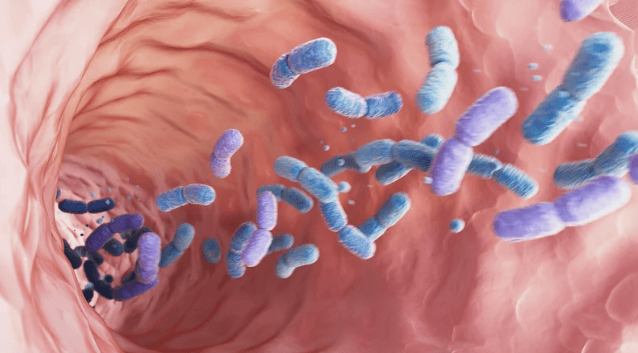
The findings, published in Nature, focus on Bacteroides fragilis, a bacterium commonly found in the human digestive tract. While many people carry the microbe without apparent harm, certain strains produce B. fragilis toxin (BFT), a molecule previously linked to inflammation, disruption of the intestinal barrier, and the development of colorectal tumors.
Solving a Decades-Old Mystery
Scientists have long known that BFT can damage the colon’s protective lining and promote tumor growth. Earlier studies showed that the toxin targets E-cadherin, a protein that helps neighboring intestinal cells remain tightly connected. When E-cadherin is disrupted, the barrier protecting the colon weakens, potentially enabling inflammation and disease-promoting changes.
However, researchers could not explain how the toxin initially attached to colon cells. Despite years of investigation, the molecule that enabled BFT to gain access to its target remained unidentified.
The new study reveals that claudin-4, a protein involved in forming tight junctions between intestinal cells, serves as the toxin’s receptor. According to the researchers, BFT must first bind to claudin-4 before it can damage E-cadherin and trigger downstream effects.
CRISPR Screening Reveals the Critical Receptor
To identify the missing link, the research team conducted a genome-wide CRISPR screening experiment. By selectively disabling genes in colon epithelial cells, investigators evaluated which proteins were required for BFT activity.
The results highlighted claudin-4 as an essential factor. Cells lacking the protein were resistant to the toxin because BFT was unable to attach to their surface. Without that initial interaction, the toxin could not reach or disrupt E-cadherin.
This discovery establishes claudin-4 as the gateway through which the bacterial toxin gains access to colon cells, providing a clearer understanding of how toxin-producing B. fragilis may contribute to colorectal cancer development.
An Unusual Mechanism of Action
The finding was unexpected because researchers had anticipated that the toxin would interact with a conventional signaling receptor. Instead, BFT binds to a structural protein responsible for maintaining the integrity of the intestinal barrier.
The study also suggests that BFT employs a distinctive mode of action. As a protease, the toxin cuts proteins, but unlike many proteases that act directly on their targets, BFT appears to require a separate receptor before exerting its effects on E-cadherin.
To confirm the interaction, the Johns Hopkins team collaborated with structural biologists in Spain. Laboratory analyses demonstrated that BFT and claudin-4 form a tightly bound one-to-one complex, providing direct evidence of the toxin-receptor relationship.
Experimental Decoy Blocks Toxin Activity
Building on the discovery, investigators designed a molecular decoy containing portions of claudin-4. The concept was straightforward: lure the toxin away from intestinal cells before it can cause damage.
When tested in mice, the decoy successfully captured BFT, reducing its ability to bind to natural claudin-4 receptors in the colon. Animals receiving the decoy were protected from toxin-induced tissue injury, suggesting that intercepting the toxin may be a viable therapeutic strategy.
Researchers believe the approach could eventually be refined through the development of small-molecule drugs or biologic therapies with improved performance in humans.
Implications for Prevention and Treatment
Although the findings are promising, several questions remain unanswered. Scientists have not yet determined the precise three-dimensional structure of the BFT-claudin-4 interaction, and additional studies will be necessary to establish whether blocking the toxin can reduce colorectal cancer risk in humans.
Importantly, the mouse studies demonstrated protection against toxin-related damage rather than cancer prevention itself. Clinical applications therefore remain in the early stages of development.
Nevertheless, the discovery represents a significant advance in understanding how microbial toxins influence colorectal cancer biology. By identifying the receptor required for BFT activity, researchers have uncovered a potential target for future interventions aimed at preventing or limiting toxin-driven disease, including colorectal cancer, gastrointestinal infections, and other inflammatory conditions associated with B. fragilis.