Mānuka honey has grown from a niche natural remedy to a popular kitchen staple almost overnight. A few years ago, you could only find it in health food stores, but now you see it virtually everywhere, with researchers, bloggers and users swearing by it’s health benefits and recommending it for everything from morning teas and face masks to sore throats and acid reflux. It’a undeniable that the honey has risen to a cult favorite, loved for its distinct earthy flavor and unique natural benefits.
But because genuine Mānuka is scarce, expensive and in high demand, the market is full of knockoffs, diluted blends, and cleverly worded labels. That makes choosing a jar pretty tricky, especially when packaging is covered in confusing numbers and letters like monofloral, UMF 15+, or MGO 550+ that look more like code and less like useful information when you don’t know what you’re looking at.
When you’re paying a premium on high-grade honey, it’s natural to want to be assured that you’re getting what you paid for. Thankfully, it actually isn’t that complicated to figure out how to separate the genuine, high-quality brands from questionable products leveraging good marketing. It comes down to identifying a few key details: origin, independent batch lab testing, and genuine brand transparency.
Here is a practical look at how to decode the shelf and find a brand that is truly worth it.
What Is Manuka Honey And What Makes It So Special?
So what makes Manuka honey so special? If you don’t yet get the hype behind Manuka honey, it helps to understand how it’s made and how its chemical composition differs from regular honey.
Regular honey is produced by bees collecting nectar from a wide variety of flowering plant species, like clover fields or wildflowers. This means a typical jar can contain pollen and bioactive compounds from several plant species.
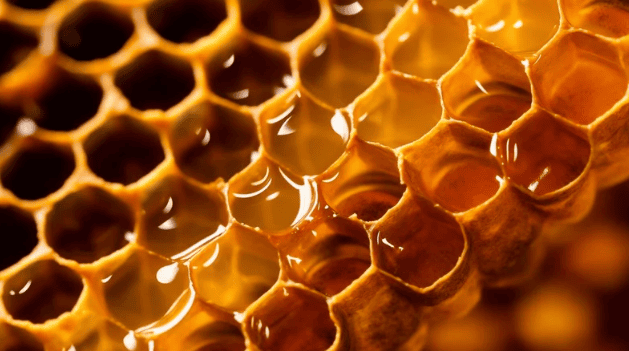
Manuka honey is unique because the bees collect nectar exclusively from the mānuka shrub, Leptospermum scoparium, native to New Zealand and southern Australia. This gives it its deep amber color, thick consistency, and distinct herbal notes.
In fact, to protect buyers, New Zealand strictly regulates all Manuka honey exports. No honey can leave the country bearing the Mānuka name unless it gains official government certification through a process that includes testing for four nectar-derived chemical markers and one DNA marker from the Leptospermum scoparium Mānuka pollen.
What really makes Manuka special is what’s in it. While all honeys have some antibacterial properties, regular honey varieties draw their antibacterial properties from hydrogen peroxide, which breaks down easily when exposed to heat or light.
Manuka honey is different because of it’s uniquely high methylglyoxal (MGO) content, the compound that’s earned the honey it’s enormous reputation. MGO offers non-peroxide antibacterial activity that remains stable and active when exposed to mild heat or light and stays active even in the harsh acidic environment in the stomach.
MGO vs. UMF: What the Labels Mean
Instead of worrying about every word on the label, focus on two key metrics: MGO and UMF.
MGO tracks methylglyoxal, which is the compound responsible for Mānuka honey’s distinct antibacterial qualities. The MGO rating is a measure of the amount of MGO measured in milligrams per kilogram of honey. So when you see MGO 250+ on the label, that means the jar contains a concentration of at least 250 milligrams per kilo.
- MGO 80–100+: Mild strength, ideal for everyday use.
- MGO 250–350+: A dependable active range for daily wellness routines.
- MGO 500–600+: Higher potency with a noticeable step up in price.
- MGO 800+: Premium, high-strength Mānuka.
- MGO 1000+ and above: Ultra-high strength and rare.
You don’t always need to buy the highest MGO rating on the shelf. Most people find that a mid-range jar gives them the ideal balance of benefits and price.
UMF is a trademarked New Zealand certification. It tests MGO plus three additional chemical markers to confirm authenticity, origin, and freshness. Rest assured, both ratings are dependable. Many fantastic beekeepers opt out of costly UMF memberships so they can pass those savings directly on to you.
That doesn’t mean they skip quality control. These brands still send every batch to accredited third-party labs for testing of MGO concentration among other compounds that verify purity, freshness and origin and share these results via QR codes or links to the verified results per batch. When a company openly shares those test results with you, you know you are getting genuine, top-tier Mānuka.
How to Spot Fake or Low-Quality Manuka Honey
A real jar should be specific. A questionable jar usually stays vague.
Be careful if you see:
- No MGO or UMF number
- No batch number
- No independent lab report
- No clear country of origin
- No explanation of whether it is New Zealand or Australian Manuka
- Very high MGO claims at suspiciously low prices
- Labels that rely only on terms like “active,” “premium,” or “bio factor”
- No way to contact the brand or trace the product
If you are buying New Zealand Manuka, look for MPI-aligned authenticity, UMF certification, or independent MGO lab testing. If you are buying Australian Manuka, look for AMHA-style authenticity markers or independent testing for MGO and DHA.
A simple rule helps: buy the jar with the clearest paper trail, not the loudest label.
The Best Authentic Raw Manuka Honey Brands
1. Bees & Trees — Raw New Zealand Manuka from remote Taranaki
For buyers searching for authentic New Zealand Mānuka who prefer buying from actual beekeepers rather than marketing firms, Bees & Trees is ideal if you prefer supporting a true local family-owned brand.
Bees & Trees produce everything themselves from their own hives situated along the edge of native forest reserves in Taranaki, New Zealand. This hands-on approach means you can be confident that you’re getting verifiably raw single-source Mānuka honey in its most natural state, packed in glass jars to protect its natural properties.
What makes the brand stand apart from their commercial counterparts is how they pair artisan, single-region sourcing with corporate-level transparency. They back every single jar with published independent lab reports, proving that a brand can maintain genuine authenticity while delivering full accountability.
Source: Taranaki, New Zealand
MGO range: 350+ to 830+
Starting price: $33.50 for 380g
Where to buy: Bees & Trees official website
2. Tahi — Wild-crafted New Zealand Manuka with a regenerative mission
For eco-conscious buyers, Tahi proves that an independent brand can produce truly great honey while actively supporting the environment and maintaining a “bee first” approach in a real way. Their hives are situated in the remote northern New Zealand region where they practice ethical harvesting by intentionally leaving plenty of honey in the hives so their bees can thrive over the winter. Tahi’s gently harvested honey is raw, unpasteurized, and is independently UMF certified and they
The brand offers a really wide selection of potencies to choose from, starting at UMF 5+ (MGO 83+) for roughly $24 and climbing to a highly potent UMF 25+ (MGO 1200+). Their popular UMF 10+ sits right around NZD $55. Tahi is a great choice for eco-conscious buyers who want verified quality alongside a meaningful environmental mission.
Source: Remote north of New Zealand
MGO range: MGO 83+ to 1200+
Starting price: From NZD $54.99
Where to buy: Tahi official website and regional stores
3. WildCape — Single-source Manuka from New Zealand’s East Cape
It is incredibly rare to find a honey brand at this scale that still revolves around a single beekeeper and a single place. WildCape is the life project of Bill Savage, who started tending his first hive as a child and grew that passion into thousands of colonies scattered exclusively across New Zealand’s East Cape. That genuine homegrown authenticity gives the honey a genuine sense of place you just don’t get from massive commercial giants.
They offer three main certified strengths in the U.S. right now: UMF 10+ (MGO 263+), UMF 15+ (MGO 514+), and UMF 20+ (MGO 829+). You can pick up a 250g jar of the UMF 10+ for $29.95. Every bottle features a traceable batch code alongside the official UMF seal. WildCape delivers an authentic product that proudly holds onto its local roots and real beekeeper origins, without sacrificing any of the rigorous independent lab verification that makes the UMF label so trustworthy.
Source: East Cape, New Zealand
MGO range: MGO 263+ to 829+
Starting price: $29.95 USD for 250g
Where to buy: WildCape official website and select retailers
4. The True Honey Co. — Remote New Zealand forest Manuka for high-MGO buyers
Sitting at the very peak of the premium Mānuka category, The True Honey Co. built its entire reputation on extreme sourcing. The brand is known for going the extra mile, literally, by flying their hives into untouched, isolated New Zealand forests, ensuring their honey is as wild as it gets. The result is a wonderfully rich, dense honey crafted for true Mānuka enthusiasts.
You won’t find entry or mid-tier rated honey here. True Honey Co. exclusively offers high MGO-rated Mānuka honey starting at UMF 22+ / MGO 1000+ at NZD $228.50 for 250g.
True Honey Co. is the luxury option for the true Mānuka honey purist connoisseur who values genuine wild-sourced authenticity
Source: Remote New Zealand Manuka forests
MGO range: Common listed jars start around MGO 1000+ and go higher
Starting price: From NZD $228.50 for 250g
Where to buy: The True Honey Co. official website and regional stores
5. Steens — Raw, unpasteurized New Zealand Manuka with family roots
Steens is a strong option for people who care about raw honey and traditional handling.
The brand was founded by Paul and Sheryl Steens with a focus on raw, unpasteurized New Zealand Manuka honey. Steens says its honey is “straight from the hive,” with nothing added and nothing removed except wax.
Its range is broad, with products from MGO 50+ multifloral Manuka through UMF 24+ / MGO 1122+ raw Manuka. On the U.S. site, the 500g UMF 10+ / MGO 263+ jar is the better size benchmark, with current pricing around $56.99.
Steens is a nice middle ground: more established than the smallest regional producers, but still very focused on raw processing and New Zealand origin.
Source: New Zealand
MGO range: MGO 50+ to MGO 1122+
Starting price: Around $56.99 for 500g
Where to buy: Steens official sites, Amazon, and specialty retailers
6. Manukora — Premium New Zealand Manuka with easy QR traceability
Manukora takes the guesswork out of buying high-grade honey by blending traditional New Zealand beekeeping with modern transparency. Every jar they sell features a unique QR code right on the lid. Scanning it brings up the exact region your honey came from, introduces you to the beekeeper, and displays the independent lab results for that specific batch. It makes the whole experience feel incredibly personal.
They believe in ethical harvesting, keeping their honey raw to preserve the honey’s naturall goodness. You will find a very focused lineup of high-potency options, starting at MGO 600+ and moving up to their flagship MGO 850+ and a powerful MGO 1000+ in 250g sizes. If you want a beautifully polished buying experience and serious MGO strength without crossing into ultra-luxury price tags, Manukora strikes a perfect balance.
Source: New Zealand
MGO range: MGO 600+ to 1000+
Starting price: Often around $64–$80 for 250g, depending on offer
Where to buy: Manukora official website and regional stores
7. New Zealand Honey Co. — Wide UMF range with clear certificates
If you’re looking for an affordable way to make Mānuka honey part of your daily routine, New Zealand Honey Co. is incredibly hard to beat. Because they operate on a larger commercial scale, they can keep their entry prices remarkably low, with their 250g UMF 10+ jar starting at around $18.88. If you’re after a mid-tier or higher potency, the company offers a wide range of potencies that stretches all the way to an ultra-rare UMF 30+.
Despite the accessible pricing, they do not compromise on transparency. A quick scan of the QR code on the label instantly reveals the official lab credentials and UMF testing for your exact harvest. You get the vast selection and pricing of a major brand alongside the strict transparency of a small apiary.
Source: New Zealand
MGO range: MGO 263+ to 1620+ in main jar range
Starting price: From $18.88 USD for 250g, depending on promotion
Where to buy: New Zealand Honey Co. official website
8. Comvita — Established New Zealand Manuka from a major global brand
If you’re looking for an established brand with a long history, you really cannot go wrong here. Comvita has been producing authentic New Zealand honey since 1974 which is why they appear in any reliable recommendation list worth it’s salt. Their wide UMF-certified range gives you plenty of room to explore different potencies. You can easily grab a starter jar of the UMF 5+ (MGO 83+) for roughly $23.99, or skip straight to the top of their collection with a robust UMF 20+ (MGO 829+).
While Comvita doesn’t offer the personal touch you get with smaller-scale family-owned brands, it is a dependable commercial option. Their size means top-tier certification and consistent availability are’nt a problem. It is a wonderfully safe bet for anyone who values a trusted, familiar label.
Source: New Zealand
MGO range: MGO 50+ multifloral and UMF 5+ / MGO 83+ through UMF 20+ / MGO 829+ in common U.S. range
Starting price: From $23.99
Where to buy: Comvita official website, Amazon, and major retailers
9. Manuka Bloom — Wild-harvested Australian Manuka with family heritage
Manuka Bloom is a fantastic example of dedicated Australian beekeeping. This family-run operation has spent three generations perfecting their wild-harvested Mānuka, sourcing exclusively from pristine native environments.
They offer a remarkably wide range of potencies. The selection begins with a gentle MGO 100+ priced around $29.95 AUD and stretches all the way up to a highly potent MGO 1500+. To guarantee their wild origin claims, they openly share third-party batch testing reports for every harvest. This brand understands the need for transparency and clearly outlines their exact MGO levels so you can shop with total confidence.
Source: Australia
MGO range: MGO 100+ to 1500+
Starting price: From about $29.95 AUD
Where to buy: Manuka Bloom official website
10. Berringa — Australian Manuka from coastal Leptospermum bushland
Harvesting from the native landscapes of eastern Australia, Berringa has built a reputation as a cornerstone of the Australian Mānuka market. They focus entirely on a specific local nectar source known as Leptospermum polygalifolium to craft their honey. What really earns buyer trust is their dedication to strict batch testing. Every jar they produce is verified for MGO strength by official government-accredited NATA labs.
Their product lineup keeps things very straightforward. You can pick up a 250g jar of their daily MGO 120+ for roughly AUD $30.99, or skip straight to their top-tier offering with a powerful MGO 900+. If you are looking for an authentically Australian brand with serious lab credentials, this is a great place to start.
Source: Eastern Australia
MGO range: MGO 120+ to 900+
Starting price: Around AUD $30.99 for 250g at major retailers
Where to buy: Berringa official website and Australian retailers
Once you hold a jar with verified MGO numbers and clear sourcing, you have unlocked something genuinely special. Don’t let it just sit in the cupboard waiting for the cold season. Start putting it to work.
Try a small spoonful stirred into your morning coffee or tea, drizzle a little over fresh fruit, or take it straight when you need an afternoon pick-me-up. The best way to understand why people love this honey is to start experimenting with it tomorrow morning.