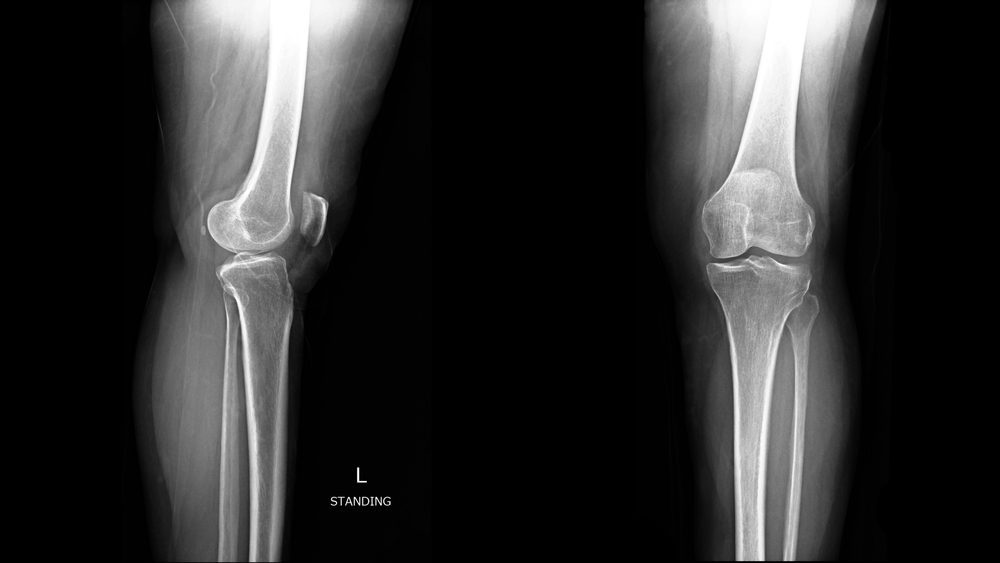
A recent study shared by The Lancet shows that a first-in-class investigational therapy targeting neurotrophin-3 (NT-3) significantly reduced pain and improved function in patients with knee osteoarthritis (OA), according to results from a phase 2 randomized clinical trial. The therapy, LEVI-04, was also well tolerated and did not demonstrate the joint safety concerns that have complicated development of some previous pain-targeting biologics.
Study Overview
Current treatment options for osteoarthritis often provide limited pain relief and can be associated with adverse effects, creating a need for novel therapies. LEVI-04 is a p75 neurotrophin receptor (p75NTR) fusion protein designed to inhibit NT-3, a signaling molecule implicated in pain and tissue degeneration.
Researchers conducted a randomized, double-blind, placebo-controlled phase 2 trial across sites in Denmark, Hong Kong, Poland, Moldova, and the Czech Republic. Adults with radiographically confirmed knee OA and moderate-to-severe pain, defined by a Western Ontario and McMaster Universities Osteoarthritis Index (WOMAC) pain score of at least 4 out of 10, were enrolled.
A total of 518 participants (mean age 64 years; 56% female) were randomized to receive monthly intravenous infusions of placebo or LEVI-04 at doses of 0.3 mg/kg, 1.0 mg/kg, or 2.0 mg/kg through week 16. The primary endpoint was change in WOMAC pain score at week 17.
Significant Pain Reduction Across All Doses
The study met its primary endpoint in all active treatment groups. Compared with placebo, LEVI-04 produced statistically significant reductions in WOMAC pain scores at week 17:
- 0.3 mg/kg: Least squares mean difference of -0.51 (95% CI, -0.96 to -0.07; p=0.023)
- 1.0 mg/kg: -0.62 (95% CI, -1.07 to -0.17; p=0.015)
- 2.0 mg/kg: -0.79 (95% CI, -1.24 to -0.35; p=0.0024)
Treatment effect increased with dose, suggesting a dose-response relationship.
Standardized effect sizes were 0.28, 0.33, and 0.43 for the low-, mid-, and high-dose groups, respectively. Investigators noted that the effect sizes observed with the two highest doses were comparable to those reported for established osteoarthritis therapies, with the highest dose exceeding the threshold generally considered to represent a minimum clinically important difference.
Rapid and Sustained Symptom Relief
One notable finding was the rapid onset of pain relief. Reductions in daily pain scores were observed within three days of treatment initiation.
Responder analyses further supported the clinical relevance of the findings. Patients receiving the 1.0 mg/kg and 2.0 mg/kg doses were significantly more likely than those receiving placebo to achieve at least a 50% reduction in WOMAC pain by weeks 5 and 17. These higher-dose groups also demonstrated sustained benefit over time.
Beyond pain reduction, LEVI-04 significantly improved multiple secondary endpoints, including:
- Physical function
- Joint stiffness
- Patient Global Assessment (PGA)
- Evoked pain during movement, assessed through the Standardized Evaluation of Pain (StEPP)
The benefits appeared consistent across radiographic disease severity categories, including Kellgren-Lawrence grades 2 through 4.
Favorable Safety Profile
The safety findings were particularly noteworthy given concerns surrounding prior biologic analgesics targeting nerve growth pathways.
Rates of treatment-emergent adverse events were similar across groups:
- LEVI-04 0.3 mg/kg: 58%
- LEVI-04 1.0 mg/kg: 66%
- LEVI-04 2.0 mg/kg: 64%
- Placebo: 67%
Researchers found no increase in serious adverse events, treatment-related adverse events, or study discontinuations attributable to LEVI-04. Only five participants discontinued treatment because of adverse events.
Importantly, investigators observed no increase in joint pathology events, including rapidly progressive osteoarthritis (RPOA), a complication that has emerged with some anti-nerve growth factor (anti-NGF) therapies.
Cases of RPOA type 1 were rare and occurred across both placebo and treatment groups, with no evidence of a dose-dependent effect. No cases of the more severe RPOA type 2 phenotype were identified, and no joint safety events occurred in knees considered healthy at study entry.
Three knee replacements occurred during follow-up, all in participants with end-stage (Kellgren-Lawrence grade 4) disease at baseline; two of these procedures were elective.
Potential Disease-Modifying Implications
While the current study focused primarily on symptom relief, investigators highlighted the possibility that NT-3 inhibition could have broader effects on disease progression.
Preclinical evidence suggests NT-3 promotes cartilage degradation, bone resorption, and osteoclast activity. By inhibiting NT-3, LEVI-04 could theoretically influence structural changes associated with osteoarthritis in addition to reducing pain. Future studies will explore whether such disease-modifying effects occur in clinical practice.
Researchers also noted that LEVI-04 is a large molecule largely restricted to peripheral tissues, which may limit central nervous system adverse effects. Its non-opioid mechanism also avoids concerns related to addiction and dependence.
Study Limitations
The investigators acknowledged several limitations:
- No quality-of-life outcome measures were included.
- Safety follow-up lasted only 13 weeks beyond the primary endpoint.
- Greater racial and ethnic diversity would improve generalizability.
- Longer-term data are needed to evaluate durability of benefit and long-term joint safety.
Additionally, because osteoarthritis requires chronic management, future studies will need to assess long-term immunogenicity, although rates of anti-drug antibodies were low and comparable to predose levels in this trial.
Looking Ahead
The findings position LEVI-04 as a potentially important new therapeutic option for knee osteoarthritis. As the first clinical study evaluating supplementation of p75NTR signaling in OA, the trial demonstrated meaningful improvements in pain and physical function alongside an encouraging safety profile.
The investigators concluded that the results support further development of LEVI-04, with larger and longer phase 3 trials planned to confirm efficacy, evaluate long-term safety, and determine whether NT-3 inhibition can alter structural progression of osteoarthritis in addition to relieving symptoms.