A groundbreaking study from the MRC London Institute of Medical Sciences (LMS) is reshaping how researchers approach treatment development for rare genetic disorders. Led by Dr. André Brown and the Behavioural Phenomics team, the research, published in BMC Biology, introduces a high-throughput, cost-efficient platform using Caenorhabditis elegans (C. elegans) to accelerate drug screening.
Tackling the Rare Disease Bottleneck
Rare diseases, though individually uncommon, collectively affect hundreds of millions worldwide. With over 7,000 known genetic conditions and fewer than 10% having approved therapies, the need for innovative, scalable solutions is urgent. Traditional drug development is often prohibitively expensive and slow, making it impractical for conditions with limited patient populations.
A Microscopic Model with Macroscopic Impact
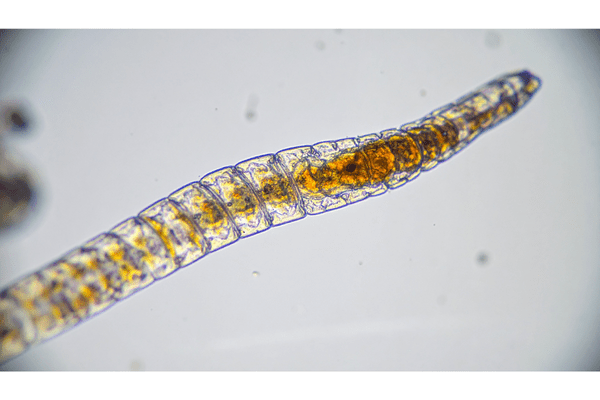
C. elegans, a transparent nematode worm, is emerging as a powerful model organism in biomedical research. The LMS team has refined techniques to genetically engineer these worms with mutations identical to those found in human patients. These “worm avatars” mimic disease states, enabling researchers to observe and quantify behavioral changes using automated imaging and motion tracking.
This behavioral phenotyping allows scientists to detect subtle neurological and motor impairments (key indicators in many rare diseases) making it possible to screen hundreds of drugs rapidly and systematically.
Repurposing Existing Drugs for Faster Impact
Rather than starting from scratch, the team focuses on repurposing medications already approved for human use. This strategy dramatically reduces the time and financial investment needed to reach clinical trials. Notably, the diabetes drug epalrestat was identified through worm-based screening and advanced to Phase III trials in just five years, at a fraction of the typical cost. Similarly, Ravicti, used for urea cycle disorders, was flagged early using this model.
Precision Modeling for Personalized Medicine
Building on earlier work published in eLife, which focused on gene knockouts, the current study introduces patient-specific mutations into the worms. This approach enhances the accuracy of disease modeling and improves predictions of individual treatment responses.
“These models are more representative of actual patient biology,” said Dr. Brown. “Our behavioral analytics have proven effective across a wide spectrum of genetic variants.”
Toward a Scalable Future
The LMS team envisions a future where worm avatars are developed for every rare disease with a conserved gene, enabling systematic drug screening at scale. This paradigm shift could democratize access to therapeutic discovery, making it feasible to explore treatments for even the rarest conditions.
“It’s a transformative approach—affordable, rapid, and scalable,” Brown noted. “While not every model will yield a therapy, our work shows that systematic screening is not only possible but promising.”