As reported on Science Daily, a recent clinical study suggests that a traditional Chinese herbal remedy may offer a unique advantage in treating major depressive disorder (MDD) while paving the way for more personalized care.
Why This Matters
MDD is a leading cause of disability worldwide and is projected to become the most prevalent and costly illness by 2030. Despite numerous antidepressant options, nearly one-third of patients fail to respond to their first medication, often enduring lengthy trial-and-error periods. One major hurdle is the absence of reliable biological markers to guide treatment choices.
The Study
Researchers at the Fourth People’s Hospital of Taizhou conducted a randomized, double-blind, placebo-controlled trial comparing Yueju Pill, a traditional Chinese medicine, with escitalopram, a widely used antidepressant. Twenty-eight outpatients with MDD were enrolled. Both groups showed similar improvements in depression scores, but Yueju Pill produced a distinctive biological effect: a significant rise in brain-derived neurotrophic factor (BDNF), a protein critical for brain health and mood regulation.
Brain Imaging Insights
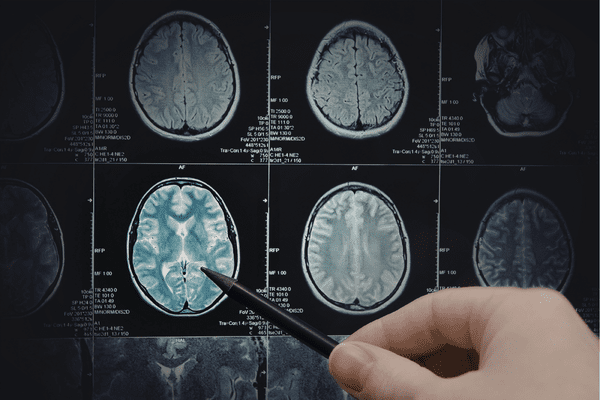
MRI scans revealed that certain brain network patterns could predict treatment response. Notably, structural features such as sulcus depth and cortical thickness were linked to better outcomes in patients receiving Yueju Pill. The visual network of the brain played a key role in predicting both symptom improvement and BDNF increases.
Toward Precision Psychiatry
These findings highlight two breakthroughs: Yueju Pill’s potential as an effective antidepressant and the use of brain imaging to forecast individual treatment response. If validated in larger studies, this approach could help clinicians match patients to therapies more efficiently, reducing delays and improving recovery.
By integrating traditional medicine with modern neuroimaging, researchers are opening new doors to personalized mental health care.