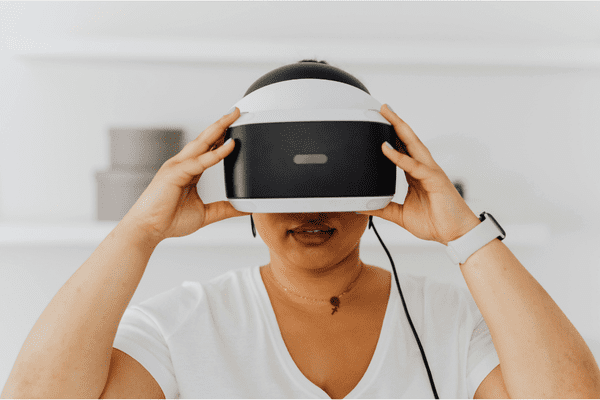
As reported by Forbes, the U.S. Food and Drug Administration has granted approval to Flow Neuroscience for the first prescription brain stimulation device designed for home use in treating major depressive disorder. The Swedish company’s FL-100 headset, cleared in December 2025 as a Class III medical device, marks a significant shift from traditional clinic-based neuromodulation therapies that often require weeks of in-office sessions and thousands of dollars in costs.
Why It Matters
Depression rates have surged dramatically, affecting nearly 48 million U.S. adults—about 18% of the population in 2025. The economic impact is staggering, with total costs projected to reach $540 billion by 2030. Meanwhile, access to care remains limited: over 169 million Americans live in mental health shortage areas, and provider burnout is widespread.
How It Works
The FL-100 uses transcranial direct current stimulation (tDCS), delivering mild electrical currents to brain regions involved in mood regulation. Unlike transcranial magnetic stimulation (TMS), which requires specialized equipment and clinic visits, tDCS can be self-administered at home under remote clinical supervision via app-based guidance.
Clinical Evidence
FDA approval was supported by a pivotal trial showing 58% remission after 10 weeks—comparable to many antidepressants and significantly better than placebo. Flow reports that among its 55,000 European users, 77% experienced symptom improvement within three weeks. The device has been available in Europe, the UK, and other markets, providing real-world data that helped secure U.S. clearance.
Market and Pricing
Flow plans a U.S. launch in Q2 2026, with a target price of $500–$800. While this is far less expensive than TMS or electroconvulsive therapy, which can cost up to $25,000 per course, reimbursement remains uncertain. Insurers will require evidence of cost-effectiveness and long-term benefit before covering the device.
Competitive Landscape
The approval positions Flow in a new category of care, distinct from established clinic-based providers like Neuronetics and BrainsWay. Future competition may come from other at-home neurostimulation developers and telehealth platforms offering medication management and therapy.
What’s Next
Key challenges include physician adoption, patient adherence, and integration into existing care pathways. While the technology offers convenience and potential cost savings, its real-world impact in the U.S. remains to be seen. Still, the FDA’s decision signals a major step toward expanding access to innovative depression treatments.