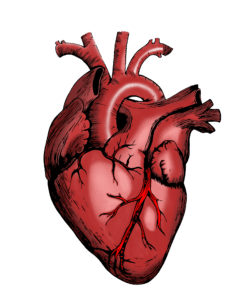
 My diagnosis of rheumatic heart disease came on suddenly. I remember being 12, sitting at the doctor’s office, and was told that I have a heart murmur. At the time, I felt fine, no symptoms, just a regular girl who was annoyed that she was pulled out of class to go to the doctor’s. After all, kids get innocent heart murmurs all the time, so my family and I were almost certain that the echocardiogram was going to be normal. A week later, we visited the cardiologist, where she sat us down to tell us that my echo was, in fact, not normal. She told me that two of the valves in my heart were leaking, and the stiffness of my valves were a sign of rheumatic heart disease (RHD). She explained to us that heart damage from rheumatic heart disease typically results from an autoimmune reaction to an infection. What was strange was that rheumatic heart disease is rare in the United States where I live, and at the time, it was such a new concept to me that a child could acquire a heart condition that was not present at birth.
My way of coping with this strange diagnosis was by ignoring it. For the next two years, I didn’t think too much about my illness because I had no symptoms. As long as I could do the things I wanted to do and kept up with all my medications, then I believed that everything would turn out okay. However, at the start of high school, I began to develop symptoms, beginning with mild chest pain that slowly, but eventually progressed to worsening symptoms that impacted my everyday life. There were days that it was difficult for me to be able to do the things that I used to take for granted, such as school, sports, or socializing with my friends. It became difficult to pretend to others that my condition didn’t exist.
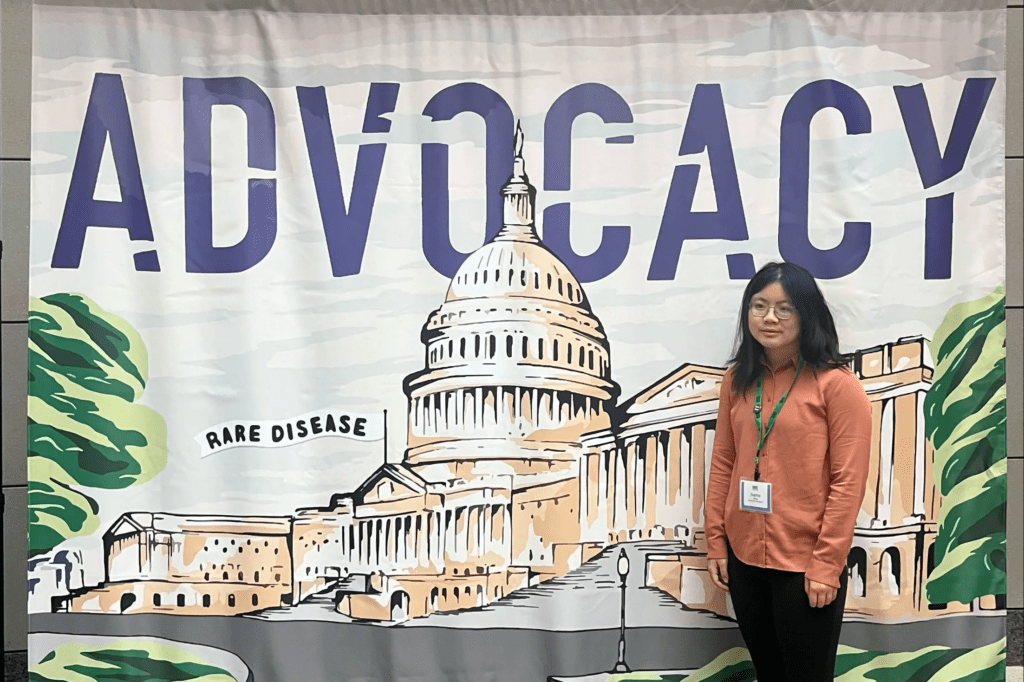
As symptoms began to impede on the activities that I used to enjoy, I realized that I needed some sort of support for my condition, but after asking around and searching on the internet, I would quickly realize that since rheumatic heart disease is rare in the United States, it is often underrepresented, excluded, or simply not talked about in pediatric heart disease communities. When people find out about my condition, they initially assume that it is congenital and are surprised to learn that I had no heart issues when I was born. I, too, never would have believed that heart disease would be a part of my life at such a young age when I was growing up. Yet, rheumatic heart disease has shown me that children could also acquire heart disease too, often quietly, until the damage is too big to ignore. Because my condition is invisible and wasn’t present at birth, it is often never discussed in both patient and medical heart disease spaces. It was at this point when I realized the value of sharing my RHD story and began shifting my focus from just searching for support to becoming involved in advocacy.
Since then, I have shared my story with a few organizations to help raise more public awareness for rheumatic heart disease. I have had some struggles finding organizations or opportunities that I could get involved with due to the lack of representation surrounding my condition. However, I hope that by putting myself out there, I can not only join in on advocacy efforts for people with chronic illness in general, but also help those with RHD or related conditions feel less alone.
Even though I have been more open with my journey, my experiences with chronic illness still have not gotten easier. I still have symptoms. I get tired easily, exercise is more difficult, and sometimes I feel like I am out of breath. My doctors still struggle to find a clear answer on how to best help me. But when I began to shift my focus from trying to live a normal life to realizing that I could use my experience as a chronically ill person to help others, it gave me a sense of purpose and offered a new perspective on my life. I have learned to celebrate all the little wins, even if it is something that I would have taken for granted before. Learning to be open and proud of my journey with RHD after years of keeping quiet and hiding it has been a difficult but incredibly rewarding experience.
Whenever I share my story, I think of the 12-year-old girl that had just received her diagnosis. I remember how afraid she was, not knowing what the future would hold. I remember how lonely she felt because she didn’t know anyone with the same illness. I think about how having more representation would not only reduce feelings of isolation for those with heart disease, but also empower them to take action to live their best lives. And I hope that by adding my story into the chronic illness space, that another girl with RHD will stumble across it and feel a little less alone.