
 I used to be really active: swimming, Tai Chi every week, practicing yoga. So, when I first felt persistent rib and back pain in late 2023, I assumed it was nothing serious. I’d recently recovered from pneumonia, and the discomfort seemed like a lingering aftermath. I was wrong.
Gradually, the pain intensified. I then experienced an unexplained and dramatic weight loss, and my mobility deteriorated rapidly. After visiting multiple doctors, my symptoms were attributed to musculoskeletal issues. No one suspected what was really happening, but something was silently impacting my bones and spine.
Within months, I was confined to a wheelchair. The frustration of not knowing what was wrong was almost worse than the physical pain itself, but, after extensive testing and a bone marrow biopsy, I finally got my answer: multiple myeloma.
Multiple myeloma is the second most common blood cancer worldwide, with as many as 36,000 Americans diagnosed this year alone. It occurs when cancerous plasma cells crowd out healthy blood cells in the bone marrow, resulting in symptoms like my own, including fatigue, weakness, and recurring infections.
My diagnosis came with the sobering reality that the disease had already caused severe skeletal damage, including vertebral compression fractures. I was hospitalized and spent weeks in rehabilitation, still unable to walk.
But something shifted the moment I received that diagnosis. After months of uncertainty, I finally knew what I was fighting. And I could move forward.
Putting On My “Journalist Hat”
As a former journalist, I’m trained to ask questions, lots of them. When I was hospitalized, I didn’t have the energy to research extensively, but once I moved to rehab and regained a bit of strength, I focused on understanding my condition. I joined online and in-person support groups, reached out to friends, and researched treatment options meticulously.
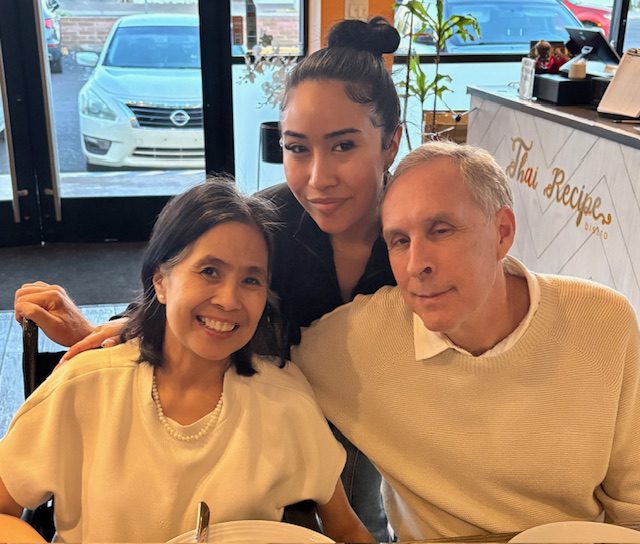
In the midst of all this, I made another decision that felt natural: when the oncologist first explained my diagnosis, I recorded our conversation. My daughter was understandably devastated by my diagnosis, but I wanted her to hear the facts directly and not filtered through a worried mother’s reassurances. When he explained that multiple myeloma could be managed like other chronic conditions, requiring maintenance medications but controllable, she finally felt more at ease. Facts became her anchor, just as they were mine.
Knowledge is powerful, even when it’s scary. But knowing the truth helped me find the next steps I needed to keep going.
Building My Care Team
I was fortunate to connect with a multiple myeloma specialist, and we aligned to start with a DARZALEX FASPRO®-based quadruplet regimen, combined with Velcade, Revlimid, and dexamethasone, a powerful approach designed to attack the cancer aggressively.
One of the most important and difficult decisions I had to make throughout my care was whether to pursue a stem cell transplant. My father had passed away from leukemia after developing myelodysplastic syndrome, a secondary cancer that stem cell transplant patients sometimes develop. After researching and even seeking a second opinion from another specialist, I decided against the transplant. I was concerned about telling my doctor, but when I finally did, he listened. He respected my decision and honored it. That respect, and active collaboration with the care team thereafter, made all the difference in my care.
My doctor calls me one of his success stories. I still have monthly injections of DARZALEX FASPRO® to manage my condition, but back then, after eight cycles of induction therapy, my bone marrow biopsy showed I was minimal residual disease (MRD)-negative, meaning less than one detectable cancer cell out of three million collected. When he called me to share the news, I was overwhelmed with gratitude!
Reclaiming My Life
 For three months, I lived in a wheelchair. I never thought I’d walk again, but my husband supported me every step of the way, driving me to physical therapy and cheering me on at multiple appointments each week, while the rehabilitation staff encouraged me to keep trying. I began using my wheelchair as a walker, taking small steps around the community with my husband right by my side for months on end. Every single step felt like a miracle.
Today, I walk 10,000 steps daily when I can. Walking has become my meditation, my time to reflect and set goals, something I had a hard time doing when I first left the hospital. I’m slowly returning to the activities I love, like practicing Tai Chi as much as I can, as I’ve had to adapt—my body requires modifications. I can’t do the same twists and turns that I used to, but the ability to try is what matters most to me. My daughter, too, has become my mirror in many ways. I live vicariously through her yoga practice since I can’t return to the yoga I used to love.
I’m finding my new normal—not the life I had before—but a life that feels full and intentional to me
A New Philosophy
People often call me optimistic, but I don’t believe in toxic positivity. I go through everything: the fear, the pain, the grief of lost abilities. Still, I choose to look forward, not back. That’s a lesson my Tai Chi teacher taught me years ago, and it’s become my life philosophy. When you’re sick, sometimes you focus on that singular issue. You want to get well. Everything else becomes relative. Your life becomes simpler. Clearer.
I’m not fighting this condition. I’m thriving in my “new normal.”
To anyone newly diagnosed with multiple myeloma, surround yourself with a strong support system that includes a full healthcare professional care team. Ask questions. Know the facts, be proactive, and talk to your doctor about the right treatment for you. Most importantly, give yourself permission to accept where your body is today while moving gently forward toward tomorrow.