 Looking back, the signs were there long before I was diagnosed with lupus. As a child, I struggled with gastrointestinal issues and a variety of symptoms that suggested something wasn’t quite right. At the time, no one could connect the dots. I knew I didn’t feel the way other people seemed to feel, but I couldn’t explain why. Throughout my childhood and early adulthood, I experienced health challenges that often left me searching for answers.
As the years went on, the diagnoses slowly began to appear. First came hypothyroidism. Then celiac disease. Each diagnosis helped explain another piece of the puzzle. Finally, around the age of 26, I was diagnosed with systemic lupus erythematosus. Ironically, when I first heard the diagnosis, I didn’t believe it. I didn’t fully understand what lupus was, and I certainly wasn’t ready to accept it as part of my story. I remember feeling disconnected from the diagnosis, almost as if it belonged to someone else.
Instead of embracing the reality of what was happening, I decided that lupus wasn’t going to define my life. I threw myself into research. I read books written by physicians, nutrition experts, and people living with autoimmune disease. I studied different approaches to healing and became fascinated by the role that food, lifestyle, and stress management could play in overall health. Through that process, I adopted a strict raw plant-based diet and committed myself fully to creating the healthiest lifestyle I could. For years, I was incredibly diligent. To my surprise, my efforts seemed to pay off. My bloodwork improved dramatically. The markers that showed active lupus began to normalize, and eventually my disease entered remission. I felt empowered. I felt hopeful. Most importantly, I felt like I had found the answer.
For several years, I lived relatively symptom-free and believed I had figured out how to manage my lupus naturally. Then life changed. In 2022, I experienced some of the most difficult events of my life. I lost my father unexpectedly. A relationship that had lasted more than a decade came to an end. Like many people, I was also deeply affected by the emotional and social impact of the COVID-19 pandemic. The stress was overwhelming. At first, I didn’t realize how much it was affecting me physically. But eventually my lupus returned, and this time it came back much more aggressively than before.
When symptoms began appearing again, I approached the situation the same way I had years earlier. I cleaned up my diet, returned to green smoothies, increased my focus on nutrition, and tried to incorporate movement whenever my body allowed it. I believed that if I simply returned to the lifestyle that had helped me before, I could reverse what was happening. Unfortunately, my condition continued to worsen. Looking back, I can see that I was in denial. I desperately wanted to believe I could manage everything on my own. I ignored symptoms that should have frightened me. I pushed through exhaustion, pain, and warning signs that most people would have sought immediate medical attention for.
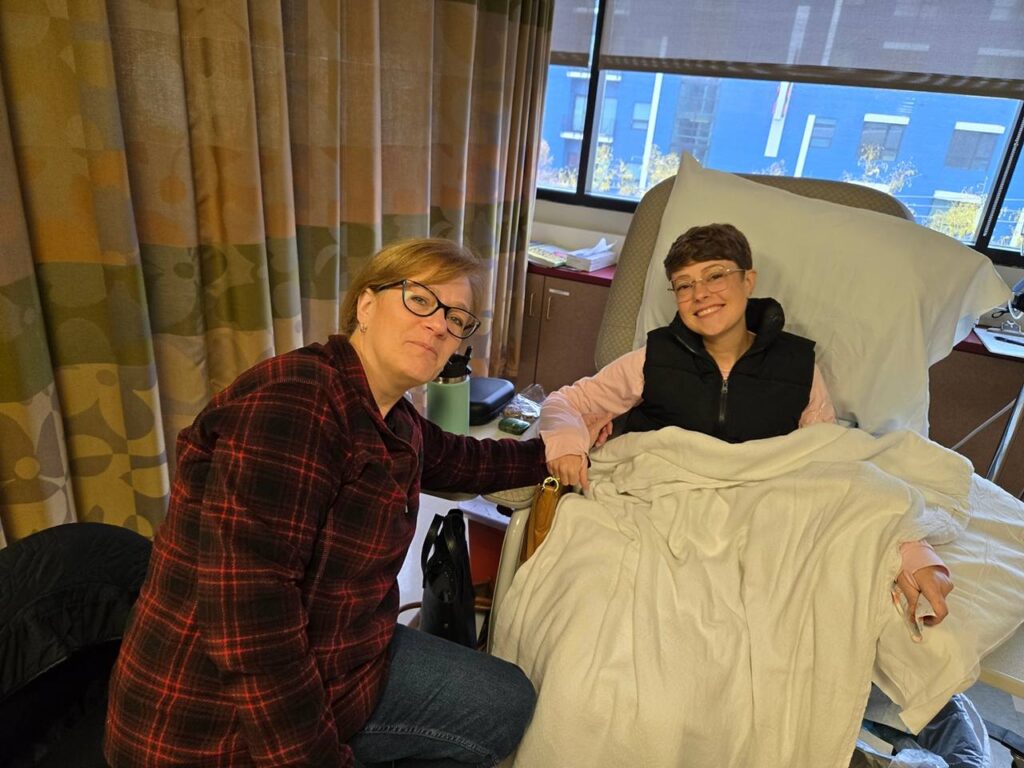
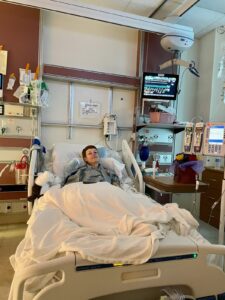 For nearly two years, I continued pushing forward while my body continued breaking down. Eventually, I could no longer ignore what was happening. In 2023, I was admitted to the intensive care unit. I spent almost a week in the ICU battling lupus nephritis, kidney failure, pericarditis, pleural effusions, severe malnutrition, and recurring fevers that reached 104 degrees. My body was fighting a battle that I simply could not overcome through willpower alone. That experience changed everything. It was the moment I realized that lifestyle alone was not enough for me. I needed medical intervention. I needed treatment. Most importantly, I needed to work with healthcare providers rather than against them.
That realization was not easy. Like many people living with chronic illness, I had experienced years of frustration within the healthcare system. I was often told I was too young to have certain conditions. Sometimes my symptoms were minimized or dismissed. I felt like I wasn’t being heard. Those experiences created a deep distrust of medical professionals and a reluctance to take medications that often come with difficult side effects and risks. Because of those experiences, I spent years viewing healthcare as something I needed to fight against. The ICU taught me otherwise. It taught me that healing doesn’t have to be an all-or-nothing approach. For a long time, I believed I had to choose between natural healing and conventional medicine.
Today, I understand that the most effective path for me has been finding a balance between the two. What I wasn’t prepared for was how difficult some of those treatments could be. Like many lupus patients, I have experienced the challenges that come with medications, particularly prednisone.
While steroids can be lifesaving, they can also be incredibly difficult physically and emotionally. I experienced facial swelling, weight gain, fluid retention, hair loss, and changes in my appearance that were hard to accept. Looking in the mirror sometimes felt like looking at a stranger. The physical symptoms of lupus were difficult enough, but the visible side effects of treatment often created another layer of emotional struggle. It was humbling. There were moments of frustration, grief, and anger over how much my body had changed. Yet those experiences also taught me compassion for myself and for others facing similar challenges.
 As difficult as those side effects have been, they have also motivated me to continue searching for better wellness every day through informed choices, healthy habits, education, and self-advocacy. They have reminded me that healing is not about perfection. It is about persistence. Over the years, I have come to appreciate that healing involves much more than physical symptoms. I began exploring the emotional side of chronic illness through therapy, nervous system regulation, mindfulness practices, movement, sound healing, emotional processing, and trauma work.
Losing my father, ending a long-term relationship, and navigating major life transitions led me to revisit parts of my childhood that had long gone unexamined, including periods of instability, heartbreak, and profound family change. While none of these approaches cured my lupus, they helped me become a healthier and more resilient version of myself. They helped me learn how to listen to my body. They helped me learn that healing is rarely linear. And they helped me understand that taking care of my emotional health is just as important as taking care of my physical health.
My treatment journey has not been straightforward. Like many lupus patients, I have experienced medications that didn’t work as expected, side effects that required adjustments, and periods of uncertainty while searching for the right treatment plan. There have been setbacks. There have been disappointments. There have been moments when I felt discouraged. But, there has also been hope. Currently, I am being treated with Gazyva (obinutuzumab), and I have experienced encouraging results. My inflammation has decreased, and the progression of my kidney disease has slowed.
 While I know there are no guarantees with lupus, I am grateful for every step forward and every improvement that allows me to continue living my life more fully. One of the most meaningful parts of my journey has been connecting with others in the chronic illness community. I love meeting people who understand the realities of living with lupus. I’ve met complete strangers for coffee simply because we shared a diagnosis. I’ve participated in lupus walks, fundraisers, support events, and educational programs. I have also participated in a lupus clinical trial because I believe research is essential to improving outcomes for future patients.
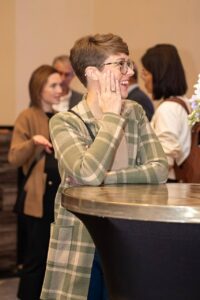
Attending Upstate Medical University’s Lupus Conference has given me the opportunity to learn from experts, stay informed about emerging treatments, and connect with others navigating similar challenges. Every conversation teaches me something. Every person reminds me that none of us are alone. I often say, “You just don’t know until you know.” There is something incredibly powerful about being surrounded by people who truly understand what you’re experiencing. The chronic illness community has given me that gift.
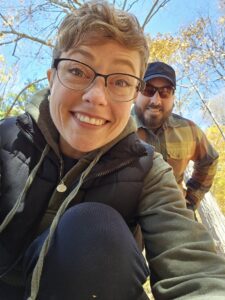 At the same time, I am deeply grateful for the people in my personal life who have stood beside me throughout this journey. My family, husband, friends, coworkers, and healthcare providers have supported me in ways I will never fully be able to express. They have met me where I am. They have accepted what I can and cannot do. They have celebrated my victories and helped carry me through my lowest moments. Living with lupus can be physically exhausting, emotionally draining, and mentally overwhelming. During those times, having a strong support system makes all the difference. We all need people who remind us that we are loved. We all need people who remind us that we have purpose. We all need people who remind us that difficult seasons do not last forever.
If there is one message I hope to leave with others living with lupus or any chronic illness, it is this: Allow yourself to feel everything. Feel the grief. Feel the fear. Feel the frustration. Feel the sadness. Those emotions are valid, and they are part of the journey. But don’t stay there forever. When you can, look for reasons to keep going. Celebrate the small victories. Find gratitude in ordinary moments. Discover new ways to create joy. Continue learning, growing, and connecting with others. Most importantly, remember that your diagnosis does not define your worth.
Lupus has changed my life in countless ways, but it has also taught me resilience, compassion, patience, humility, and gratitude. It has introduced me to incredible people and shown me the power of community. It has taught me to advocate for myself while remaining open to support from others. I don’t know exactly what the future holds, but I do know this: I will continue moving forward with hope. If sharing my story helps even one person feel less alone, then it is worth telling.
If there’s one thing I’ve learned, it’s that healing isn’t about becoming who you were before, it’s about discovering who you can become. My hope is to remind others that support exists, hope is powerful, and that even after life’s greatest challenges, happiness, fulfillment, and a deeply meaningful life are still within reach.