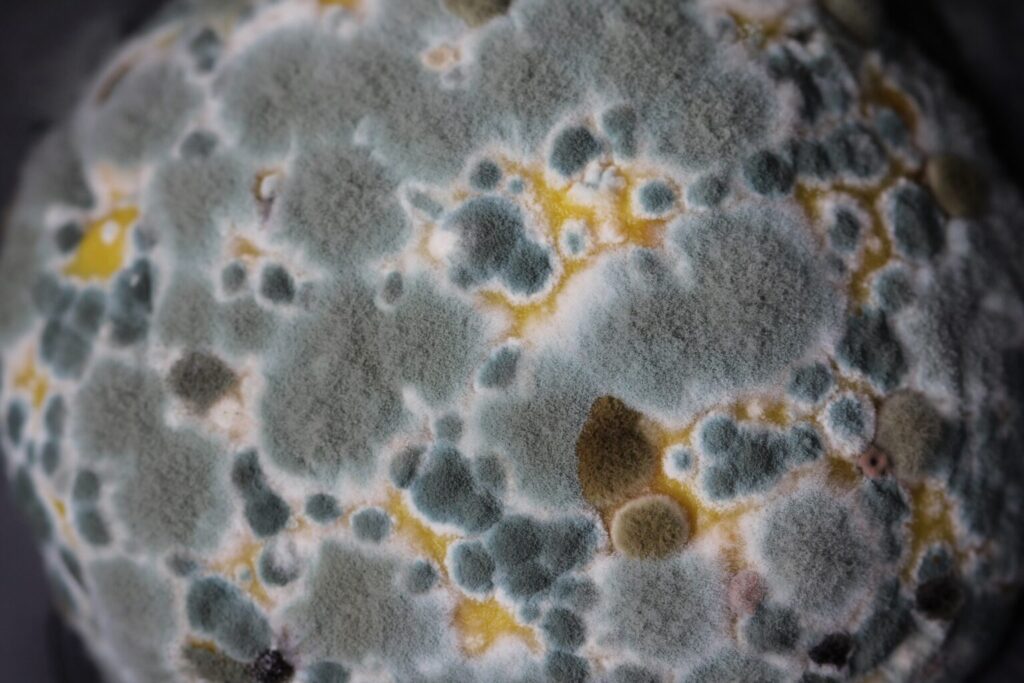
Every single day, the average person inhales thousands of microscopic fungal spores. For most of us, our immune systems destroy these tiny invaders before they can do any harm. But for patients with weakened immune systems—such as those undergoing chemotherapy or recovering from organ transplants—a common mold called Aspergillus can take root deep inside the lungs.
This triggers a life-threatening infection known as invasive aspergillosis. For over two decades, doctors have been fighting this deadly mold with an outdated medical toolkit. However, a major breakthrough announced on June 18, 2026, by pharmaceutical companies F2G and Shionogi, signals that a new, safer weapon may soon be available.
Why Fungal Lung Infections Are a Doctor’s Nightmare
To understand why this news is so important, it helps to understand why fungal infections in the lungs are notoriously difficult to treat.
Unlike bacteria, which are structurally very different from human cells, fungi are biologically complex. On a cellular level, fungi and humans are surprisingly similar. This makes it incredibly hard to design a drug that can seek out and destroy a fungus without accidentally poisoning the patient’s own cells.
Furthermore, doctors face three massive hurdles when treating invasive aspergillosis:
- Rising Drug Resistance: The go-to frontline treatments, called azoles, are losing their punch. Just like bacteria becoming “superbugs,” many strains of mold have evolved to become completely resistant to these standard medications.
- The Toxicity Trade-Off: When standard drugs fail, doctors have to resort to heavy-duty backup medications like AmBisome. While effective, these drugs are famously harsh and often cause severe, permanent damage to a patient’s kidneys.
- Stagnant Innovation: Medicine has suffered a 20-year drought in this field. No antifungal drugs with a completely new way of killing mold have been approved for invasive aspergillosis in over two decades.
The OASIS Study: A Head-to-Head Showdown
Faced with this medical crisis, researchers launched the OASIS study, a global clinical trial designed to test a promising new oral drug called olorofim.
Unlike older medications, olorofim belongs to a brand-new class of medicine called orotomides. It works by shutting down a specific, vital enzyme that the mold needs to build its own DNA. If the mold can’t make DNA, it can’t grow or survive.
The trial took a group of patients whose lung infections were already resistant to standard treatments or who were too sick to take them. Researchers split the patients into two groups to compare the new pill against the traditional, aggressive IV treatment (AmBisome).
“Invasive fungal infections remain difficult to treat and can be life-threatening,” explained Dr. Johan Maertens, the lead scientist of the study. He noted that the results offer a “meaningful alternative” for doctors dealing with these stubborn infections.
The Results: Equal Power, Less Poison
The topline results from the study revealed that the new oral drug performed exceptionally well against the heavy-hitting traditional IV therapy, but with a fraction of the dangerous side effects.
Survival Rates (Efficacy)
The primary goal was to see if olorofim could keep patients alive just as well as the standard care by Day 42 of treatment. The data showed the two treatments were neck-and-neck:
- Olorofim death rate: 23.8%
- Standard care (AmBisome) death rate: 24.3%
Side Effects (Safety)
While both drugs kept patients alive at similar rates, the true victory was in how the patients felt during treatment. The standard IV drug caused massive disruptions to patients’ bodies—particularly their kidneys—while the new oral drug was much gentler.
| Treatment Type | Rate of Severe, Drug-Related Side Effects | Primary Cause of Complications |
| Olorofim (New Oral Pill) | 35.8% | Mild, expected reactions |
| AmBisome (Traditional IV) | 63.9% | Severe kidney (renal) toxicity |
What Happens Next?
Because olorofim is an oral pill rather than a harsh IV medication, it could allow vulnerable patients to treat their deadly lung infections from the comfort of their homes rather than being confined to a hospital bed.
With these positive results in hand, F2G and Shionogi are officially preparing to submit their data to health regulators. They plan to apply for official approval from the FDA in the United States, as well as regulatory agencies across Europe and Asia. If approved, this new medication will finally break a 20-year standstill, giving doctors and patients a much-needed shield against a silent, airborne killer.