Medical device innovator Xeltis has officially kicked off the European commercial rollout of its novel vascular access implant, aXess™. The milestone was marked by the first routine commercial procedure, performed by Dr. Dominik Liebetrau at Germany’s Artemed Klinikum Munich South.
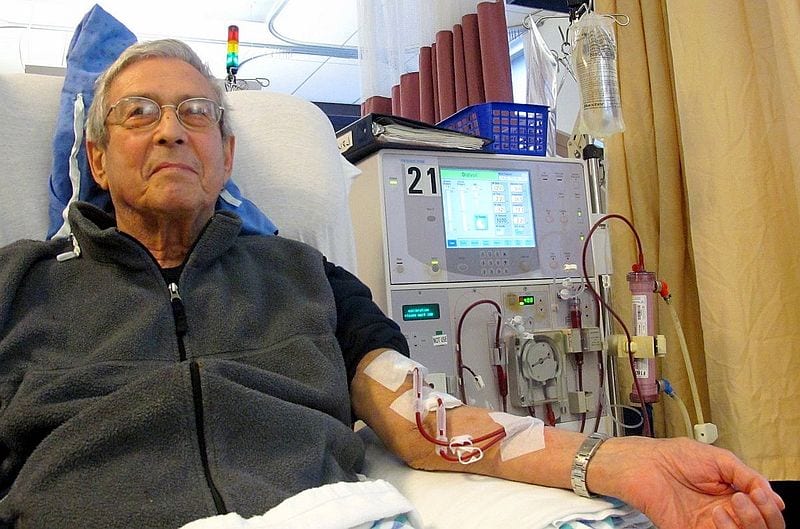
The launch brings a first-of-its-kind tissue-engineering solution out of clinical trials and into daily medical practice for patients requiring long-term hemodialysis.
How aXess™ Works: Built on Nobel Prize-winning supramolecular science, the device is implanted during a single surgical procedure. It initially functions as a synthetic scaffold ready for needle cannulation. Over time, the patient’s own cells populate the structure, gradually remodeling it into a natural, living blood vessel.
Clinical Performance and Global Expansion
The European commercial strategy is backed by strong 12-month pivotal trial data. The results demonstrated that aXess™ achieves secondary patency (vessel openness) rates comparable to traditional matured arteriovenous fistulas (AVFs). Furthermore, the device showed lower rates of necessary reinterventions and a high resistance to infection when evaluated against historical benchmarks for standard synthetic arteriovenous grafts (AVGs).
While European commercialization scales up across Germany and broader EU markets, Xeltis is simultaneously advancing its clinical timeline in the United States. Enrollment for the US pivotal clinical trial has now surpassed the 50% mark.
You can track the ongoing study updates and protocol details directly via ClinicalTrials.gov.
Key Perspectives from Leadership and Clinical Experts
- Dr. Dominik Liebetrau, Head of Vascular Surgery at Artemed Klinikum Munich South:
“aXess™ integrated seamlessly into our existing surgical workflow, making adoption straightforward for our team. It offers a fundamentally new approach to vascular access – providing an implant that is designed to transform into the patient’s own living vessel. This provides physicians with a valuable new option for patients requiring long-term hemodialysis access and has the potential to improve treatment outcomes and quality of life.”
- Peter A. Schneider, Member of the Xeltis Medical Advisory Board:
“This is the first time we have access to a non-autologous conduit designed to become the patient’s own vessel over time through vascular cell in-growth and tissue regeneration, ultimately behaving more like an autologous vessel. This approach has the potential to address a significant unmet need in vascular access by combining fast availability for cannulation with the long-term benefits of a living vessel.”