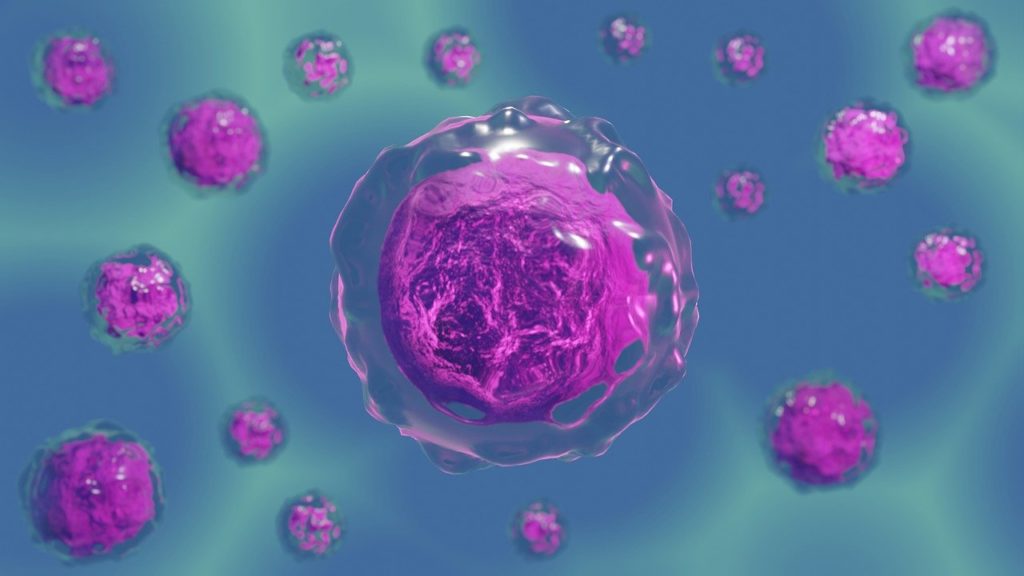
A team from Minnesota University has created a synthetic cell that includes lifeless chemicals and created a synthetic cell that will grow, reproduce, and even compete for food along with naturally occurring cells.
A First
The breakthrough occurred after decades of research using the minimum genetic material necessary for sustaining life. Earlier efforts focused on using natural cells. But Spud Cell was assembled from 150 to 200 simple molecules (atoms) banded together including some from a virus and E. coli.
Earlier research required almost five hundred genes while humans have roughly twenty thousand. Although some see potential for advances in medical or other fields, synthetic biology skeptics continue to have concerns.
A Non-Profit
Spud Cell cannot consistently pass its complete genetic material to future generations, nor can it produce its own proteins. These issues are still being debated and researched. Hundreds of scientists are expected to be involved in a new 501© (3) nonprofit and create genetic material for future generations.
What are your thoughts about being a rare disease advocate? Share your thoughts, stories, and hopes with the Patient Worthy Community
Rose Duesterwald July 31, 2026