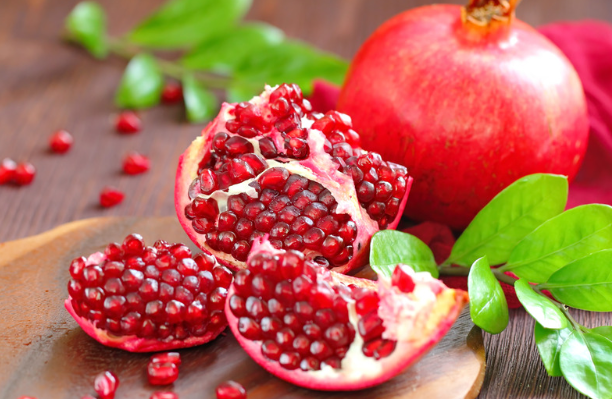
Scientists Discover Multiple Pathways Through Which an Ancient Fruit Protects the Cardiovascular System
For centuries, pomegranates have held a special place in Middle Eastern and Mediterranean cultures—prized not just for their distinctive tartness but for their reputed health benefits. Now, modern science is validating what traditional wisdom has long suggested: pomegranate may be one of nature’s most powerful allies in fighting heart disease. Recent research reveals that pomegranate works through multiple biological pathways to protect the heart, from preventing arterial plaque buildup to treating a specific type of heart failure that has long stumped cardiologists.
The Problem: A Growing Epidemic in Heart Health
Before understanding pomegranate’s potential, it’s important to recognize the scope of the problem it addresses. Cardiovascular disease remains the leading cause of death globally, and it takes many forms. One particularly challenging variety is heart failure with preserved ejection fraction (HFpEF)—a condition that affects approximately 50% of all heart failure patients.
In HFpEF, the heart can still pump normally, but it becomes stiff and loses its ability to relax between beats. This might seem like a subtle distinction, but for patients, it’s devastating. The stiffened heart cannot fill with enough blood, leaving patients breathless, fatigued, and unable to exercise. As Dr. Joseph Burgoyne, Senior Lecturer at King’s College London and lead researcher on a groundbreaking study published in Science Advances, explains: “This type of heart failure remains one of the most challenging forms of heart disease to treat. Despite its growing burden, treatment options remain limited because the disease is complex and varies considerably between patients.”
To make matters worse, HFpEF is becoming increasingly common. “This type of heart failure is becoming more prevalent as populations age and rates of obesity and diabetes rise,” Dr. Burgoyne notes.
The Discovery: Urolithin A and the Heart’s Relaxation Problem
The breakthrough came from an unexpected place: the foods we eat. Researchers at King’s College London discovered that a compound called urolithin A—naturally produced by our bodies when we consume pomegranates, walnuts, and certain berries—could dramatically improve heart function in HFpEF patients.
The journey begins in your gut. When you eat pomegranates, your digestive system breaks down compounds called ellagitannins. Gut bacteria then convert these compounds into urolithin A, a molecule with remarkable properties. However, not everyone produces the same amount of urolithin A. Individual variations in gut microbiome composition mean some people generate more of this beneficial compound than others.
What makes urolithin A so promising? Dr. Burgoyne and his colleagues discovered that urolithin A activates a protein called PKGIα, which plays a crucial role in maintaining blood vessel function and helping heart muscle relax. In animal models of HFpEF, treatment with urolithin A improved measures of heart function by up to 80% compared with controls. The compound reduced fibrosis (scarring in the heart), improved the ability of heart tissue to relax, and prevented heart muscle cells from becoming enlarged—essentially reversing key features of the disease.
The results were remarkably consistent. When researchers tested urolithin A in engineered human heart tissue designed to closely mimic the structure and function of actual human hearts, similar improvements in tissue relaxation occurred. This is significant because it suggests the mechanism observed in animals likely translates to humans.
“Our findings identify a completely new therapeutic target,” Dr. Burgoyne explains, “and show that urolithin A can activate this pathway to improve heart relaxation and reduce disease severity. This raises the exciting possibility of developing new treatments that improve clinical outcomes and quality of life for people living with the condition.”
Importantly, urolithin A has already been evaluated in clinical trials, where it demonstrated a favorable safety profile—meaning it could potentially move toward human treatment relatively quickly.
Beyond HFpEF: Pomegranate’s Broader Cardiovascular Protection
While the urolithin A discovery is exciting, the benefits of pomegranate extend beyond this single mechanism. Decades of research have documented that pomegranate juice offers multiple protective effects on the cardiovascular system.
Israeli scientists publishing in the American Journal of Clinical Nutrition (May 2000) reported that pomegranate juice helps prevent the development of arterial plaque by making LDL cholesterol—the “bad” cholesterol—more resistant to oxidation. Oxidation of LDL cholesterol is a critical early step in atherosclerosis (plaque buildup in arteries). By slowing this oxidation process, pomegranate juice acts as a preventive measure against heart disease development.
The evidence is compelling: In laboratory mice specifically bred to be susceptible to plaque formation in their arteries, pomegranate juice reduced atherosclerotic buildup by an impressive 44 percent. Research also suggests the juice can reduce the risk of blood clots—another major factor in heart attacks and strokes.
These findings suggest pomegranate operates through multiple protective mechanisms. While urolithin A helps hearts that are already stiff relax and function better, pomegranate’s other bioactive compounds prevent the arterial damage that leads to heart disease in the first place.
The Biochemistry Behind the Benefits: Understanding Pomegranate’s Arsenal
Understanding how pomegranate protects the heart requires looking at its chemical composition. Pomegranate—particularly its peel, long dismissed as agricultural waste—is extraordinarily rich in bioactive compounds. These include:
- Antioxidants and polyphenols that combat oxidative stress
- Gallic acid and ellagic acid, compounds with powerful anti-inflammatory properties
- Punicalagin, a potent antioxidant unique to pomegranate
- Dietary fiber and vitamins that support overall health
These compounds work synergistically. The anti-inflammatory and antioxidant properties address fundamental problems in cardiovascular disease: chronic inflammation and the damaging effects of free radicals. Free radicals can damage blood vessel walls, promote plaque formation, and contribute to heart muscle dysfunction. By neutralizing these harmful molecules, pomegranate’s bioactive compounds provide cardiovascular protection at a cellular level.
Modern extraction techniques—including pressurized liquid extraction, ultrasound-assisted extraction, and enzyme-assisted extraction—can now isolate these compounds efficiently and sustainably. This opens the door to developing pomegranate-based medicines and functional foods that concentrate these beneficial compounds far beyond what eating the fruit alone could provide.
From Fruit to Pharmacy: The Path Forward
What’s particularly intriguing about pomegranate’s potential is the pathway from traditional food to modern medicine. We’re not looking at an exotic chemical synthesized in a laboratory. Instead, researchers have identified how compounds naturally present in food can be harnessed therapeutically.
For patients with HFpEF facing limited treatment options, this is genuinely exciting. Dr. Burgoyne cautiously states, “these findings raise the possibility that dietary approaches that enhance urolithin A production may help alleviate this condition.”
This caveat is important: current research doesn’t mean heart failure patients should simply increase pomegranate consumption. The concentration of urolithin A required for therapeutic benefit may exceed what food alone provides, especially given individual differences in how people produce the compound. However, these discoveries provide a foundation for developing pharmaceutical treatments based on urolithin A or other pomegranate-derived compounds.
A Multi-Layered Approach to Heart Health
The comprehensive picture emerging from these three research perspectives is powerful: pomegranate protects the heart through multiple mechanisms operating at different levels of biology.
- At the molecular level, compounds like gallic acid, ellagic acid, and punicalagin fight oxidative stress and inflammation—root causes of cardiovascular disease.
- In the arteries, pomegranate juice prevents LDL cholesterol oxidation, reducing plaque formation and clot risk—preventing heart disease before it starts.
- In the failing heart, urolithin A activates cellular pathways that allow the heart muscle to relax and function more effectively—treating disease that’s already present.
This multi-layered approach suggests that pomegranate may benefit people at different stages of cardiovascular health: those seeking prevention, those with early disease, and even those with advanced conditions like HFpEF.
The Bigger Picture
Perhaps most importantly, pomegranate’s story illustrates a broader principle in modern medicine: nature has already performed millions of years of chemical experimentation. By studying traditional foods and plants, and understanding their mechanisms at the molecular level, scientists can discover powerful therapeutic compounds hiding in plain sight.
For the estimated 6.2 million Americans living with heart failure—including the millions with HFpEF who currently have few good treatment options—pomegranate-derived medicines may eventually offer genuine hope. And for those seeking to maintain heart health, the research provides scientific validation for including pomegranate in a heart-healthy diet.
The fruit that once symbolized health in ancient cultures may, in the 21st century, become a cornerstone of cardiovascular medicine. All it took was the modern scientific tools to understand what traditional wisdom already knew.
Furthermore, an NIH study, concluded, “Our results suggest that long-term pomegranate intake may be effective in ameliorating liver enzymes in adults with obesity and metabolic disorders who are more likely to have elevated baseline liver enzymes due to some degree of liver injury or tissue damage.”