To start, a few words about the immune system:
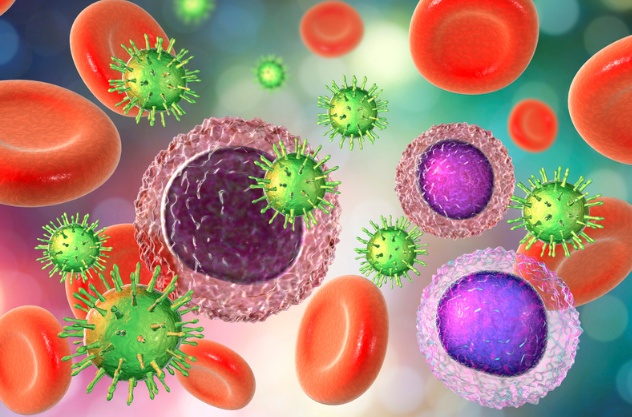
The immune system is comprised of cells, molecules, and biochemicals, and works to maintain human health. It can be defined as having two branches–adaptive (specialized) and innate (general).
The initial response is the innate immune response which provides non-specific, rapid protection.
Examples are physical barriers, such as skin and membranes. Inflammatory and cellular responses also represent innate immune responses.
About Inflammation
When the skin is infected, immune system cells advance rapidly to the affected area. Specific immune cells release substances resulting in enlarged blood vessels. The area swells, reddens, and becomes inflamed. Fever may develop. Blood vessels expand further and additional immune system cells arrive at the scene.
In contrast, the adaptive immune system takes over if the innate immune system is unable to kill the germs. It is made up of very specific defense mechanisms. The NIH defines adaptive immune system response as white blood cells called lymphocytes. They are classified as:
- B cells (antibody responses), and
- T cells (cell-mediated immune responses)
The adaptive immune system tends to be more accurate than those in the innate immune system as it “remembers” germs. This “memory” is the reason that a person will only get certain diseases once.
About Biomarkers
Biomarkers share an importance in modern medicine. They were created to improve the general understanding of the immune system at the cellular and molecular level. Numerous prognostic tools, therapies, and diagnostic markers have been developed to address different conditions.
Bioimmune markers are able to detect a disease before its symptoms arise. These biomarkers can provide reproduceable, and quantifiable assessments of a major range of disorders.
About HMGB1
If elevated, high mobility group box 1 (HMGB1) may indicate an immune response to sepsis, cancer, stroke, or arthritis. HMGB1, a protein often found in cells holds a major role in controlling gene expression and stabilizing the structure of chromosomes.
What are your thoughts about becoming a rare disease advocate? Share your stories, thoughts, and hopes with the Patient Worthy Community
Rose Duesterwald September 18, 2026