
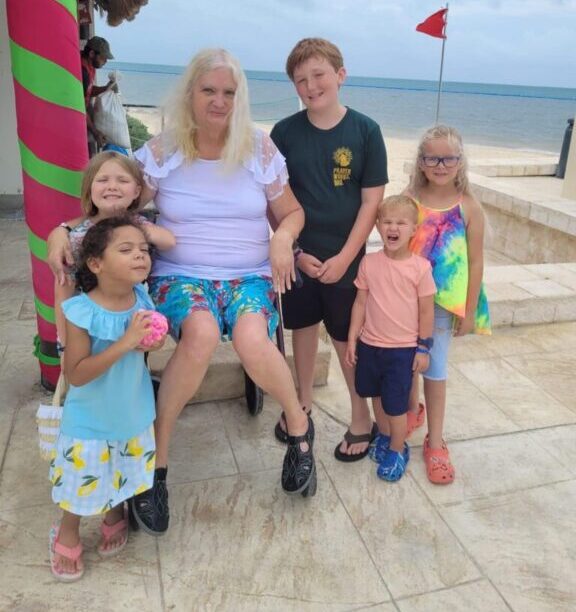
My journey with inclusion body myositis (IBM) has taught me that even when life takes an unexpected turn, hope, faith, determination, and the support of others can make an extraordinary difference.
At age 30, I was diagnosed with Sjögren’s syndrome and rheumatoid arthritis. Later, I developed autoimmune hemolytic anemia and spent several years taking high doses of prednisone. As my muscles gradually weakened, I eventually received a diagnosis of inclusion body myositis at age 49. The doctors at Mayo Clinic told me to sell my two-story home because they expected me to be in a wheelchair within six months.
Today, at age 69, I am still walking.
I cannot express how much that means to me. I give all the glory to God for bringing me this far. My journey has not been easy, and I have experienced physical challenges and limitations, but I have never stopped hoping for better days. I continue to pray for a cure, and I believe there is always room for hope, even when the medical answers we desperately want have not yet arrived.
After years of searching for answers, I found a doctor who introduced me to monthly Gammaguard infusions and discontinued my prednisone. Although my condition has continued to progress to some extent, I have not experienced the rapid decline that was once predicted for me. Every person’s experience with IBM is different, and I know my journey may not be the same as someone else’s. Still, my story is a reminder that we should never underestimate the importance of believing in prayer, individualized medical care, continued research, and the determination to keep moving forward.
I use a walker to help me get around, and my husband installed a stair lift in our home. I have had to make adjustments, learn new ways of doing things, and accept help when I need it. But I have also learned that needing assistance does not mean giving up. Strength is not always about doing everything on your own. Sometimes, strength means adapting, finding solutions, asking for help, and refusing to let a diagnosis take away your desire to live.
Finding Freedom Through Innovation
One of the most difficult challenges of living with IBM and related muscle conditions is maintaining the freedom to leave home and participate in everyday activities. Something as simple as using a public restroom can become a major obstacle when your leg muscles are weak or when sitting down and standing up are difficult.
I wanted to keep visiting my grandchildren, going on vacations, enjoying restaurants, and taking cruises. I did not want my world to become smaller simply because my muscles were becoming weaker.
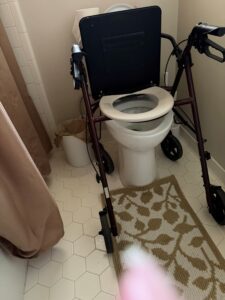 At one point, I even considered inventing a walker that could roll over a toilet and provide a convenient, built-in seat. Then I discovered the Free2Go walker, a product created by a woman Lesli Wang for her mother, who also had myositis.
For me, this walker has been life-changing.
It has helped me continue visiting my grandchildren’s homes, traveling, going to amusement parks, and enjoying outings that might otherwise have become too difficult. It has given me greater confidence when leaving home because I know I have a practical solution to one of the challenges that once held me back.
The Free2Go is more than a mobility aid. To me, it represents independence, dignity, and opportunity. It reminds me that thoughtful innovations can make an enormous difference in the lives of people who face physical challenges every day.
I believe that remaining active, within my abilities and with appropriate support, is important to my quality of life. I cannot say that this walker has slowed the progression of my disease, but it has helped me continue participating in the world around me rather than withdrawing from it.
Why I Am Speaking Out
I have shared information about the Free2Go on Facebook pages for people living with IBM, rheumatoid arthritis, and Sjögren’s syndrome because I know firsthand how valuable it can be. Unfortunately, I learned that the product was no longer being manufactured after a company acquisition.
I understand that efforts are underway to bring it back to the market, and I wholeheartedly support that goal.
I own five Free2Go walkers, so I am fortunate to have the equipment I need. But I cannot stop thinking about the many people who have never had the opportunity to discover this product, especially those who have stopped traveling or going out because they cannot comfortably or safely manage public restrooms.
Traditional toilet risers can be useful at home, but they are not a practical portable solution for every situation. People with mobility challenges need options that allow them to participate in everyday life outside their homes.
I hope my story helps demonstrate why accessible, practical products deserve attention and investment. I encourage manufacturers, healthcare professionals, caregivers, patient advocates, and organizations that support people with disabilities to listen to patients and recognize the value of innovations that address real-life challenges.
Sometimes, a product that seems simple to others can restore something priceless to the person who needs it: the freedom to say yes to an invitation, visit family, take a trip, or enjoy a day out without constantly worrying about what might go wrong.
That freedom matters.
The Power of Community
Living with a progressive disease can sometimes feel isolating. People with IBM, myositis, rheumatoid arthritis, Sjögren’s syndrome, and other conditions that affect strength and mobility often face challenges that others cannot fully understand.
That is why community support is so important.
When we share our experiences, we help one another find resources, learn about assistive devices, navigate daily challenges, and discover that we are not alone. A recommendation from someone who has actually used a product can be more meaningful than a brochure or advertisement because it comes from lived experience.
Patient communities also give us a place to share our frustrations, celebrate our victories, encourage one another, and remind each other that life can still hold joy and purpose after a diagnosis.
I hope more people will speak openly about the challenges they face and the solutions they discover. I hope caregivers and family members will continue listening to patients and advocating for the tools and accommodations that help them maintain their independence. And I hope companies will recognize that patients are not simply consumers. We are people with valuable knowledge about what works, what is missing, and what could make daily life better.
Our voices deserve to be heard.
Hope for the Future: The Need for Research
While practical innovations can improve our daily lives, we must also continue pushing for medical research that leads to better treatments and, ultimately, a cure for inclusion body myositis.
People living with IBM need more than encouragement to accept their limitations. We need continued scientific investigation, improved treatment options, better support for clinical trials, and greater awareness of the disease. We need researchers, medical professionals, funding organizations, and policymakers to recognize the significant impact IBM has on mobility, independence, and quality of life.
We also need to support research into related autoimmune and neuromuscular conditions. Although these diseases differ, many patients share the experience of struggling to maintain strength, manage symptoms, and find treatments that meet their individual needs.
Every research effort matters. Every patient who participates in a clinical trial, every family that raises awareness, every organization that funds promising studies, and every scientist who pursues a new question helps move us toward a future with better answers.
Research takes time, and progress is not always immediate. But the absence of a cure today does not mean there will never be one. We owe it to ourselves, to future patients, and to the generations who may face these diseases to keep asking questions, investing in discovery, and refusing to give up on progress.
We must also remember that hope is not limited to finding a cure. Hope can mean a treatment that preserves function longer, a device that makes daily life easier, a doctor who listens, a community that understands, or another year of making memories with the people we love.
These victories matter, too.
My Message to Others Living with IBM and Related Diseases
If there is one thing I have learned throughout my journey, it is that a diagnosis does not erase the person you were before it. Our abilities may change, our plans may need to be adjusted, and we may have to find new ways to do the things we love. But we still have dreams, relationships, purpose, and reasons to look forward to tomorrow.
I am not suggesting that determination alone can overcome a progressive disease, or that everyone will experience the same outcomes. I know how difficult this journey can be. There are days when the physical and emotional challenges are exhausting. There are moments when I grieve the things I can no longer do as easily as I once could.
But I also know that there is still so much worth fighting for.
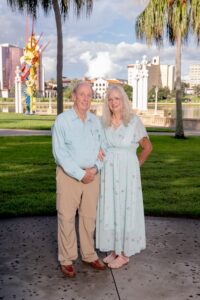 For me, that means continuing to walk for as long as I safely can, staying connected to my family, finding practical ways to remain independent, holding on to my faith, and sharing what I have learned with others who may benefit.
It also means speaking up when I discover something that could help another person. That is why I want to help bring attention to the Free2Go walker and support the effort to make it available again. I have experienced the difference it can make, and I want others to have that same opportunity.
My hope is that my story will encourage people living with IBM and related diseases to seek support, ask questions, explore helpful resources, and remain involved in the activities that bring meaning to their lives. I also hope it will inspire others to advocate for accessible products, stronger patient communities, and continued investment in medical research.
I may not be able to control what this disease does to my muscles, but I can choose to use my voice. I can share my experiences. I can encourage someone else. I can advocate for solutions that help people live more fully.
And I can keep hoping for a better future.
I am 69 years old, I am still walking, and I am not giving up.
I give thanks to God for every day, every family memory, every opportunity to keep moving, and every person who helps make this journey a little easier. I will continue praying for a cure, supporting others who are facing similar challenges, and speaking out about the resources that can restore independence and improve quality of life.
My greatest wish is that one day, people diagnosed with inclusion body myositis will have more effective treatments, better support, and greater freedom than we have today. Until that day comes, I hope we will continue standing together, sharing our knowledge, supporting research, and reminding one another that we are not alone.
Because hope is not simply waiting for a cure. Hope is continuing to live, continuing to connect, and continuing to fight for a better tomorrow.
Thank you for hearing my story. I hope it helps bring the Free2Go back to those who need it, raises awareness of inclusion body myositis, and encourages all of us to keep working toward a future where people living with these diseases have more choices, more support, and more reasons to hope.
Thank you,
Becky Bishop